
Lieferung heute & morgen

Qualitätsgarantie

Willkommens-Angebote freischalten: KOSTENLOSE Lieferung | Bis zu 80 % RABATT | Kostenlose 30-Tage-JoyPlus-Testphase
App herunterladen
A baby's skin is significantly thinner and more sensitive than an adult's. Choosing the right baby cream is therefore a crucial decision for many parents. However, the market can be overwhelming, filled with marketing promises that confuse more than they help. This guide will help you avoid the most common purchasing traps and make an informed decision based on the actual needs of your child's skin.
Before we dive into the key selection criteria, let's look at the typical pitfalls that often lead to the wrong purchase.
To find the right product, focus on objective and verifiable features. The following three parameters are crucial.
First, define the exact need. Are you looking for a cream for daily use or a solution for a specific problem?
A short, understandable INCI list is often a good sign. Look for proven, gentle ingredients and avoid known irritants.
The texture of a cream determines how it feels on the skin and how it works. A baby face cream should be lightweight and absorb quickly. A body cream can be richer. A baby cream for sensitive skin benefits from a minimalist formula to keep the potential for irritation as low as possible.
Here are some product recommendations tailored to different requirement profiles.
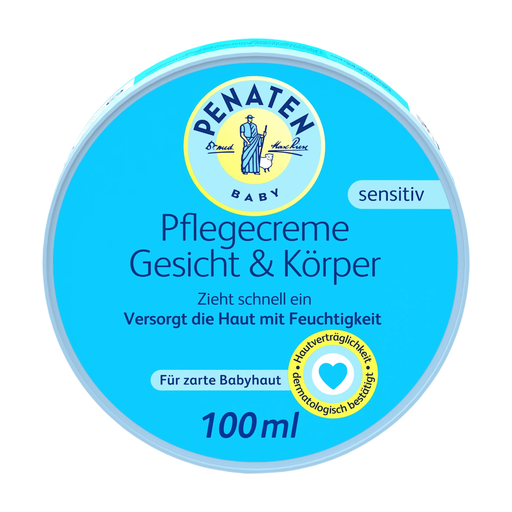
Why this product is a great fit: This cream was specially developed for the daily care of newborns and babies with very sensitive skin. It serves as a straightforward moisturiser for the face and body.
The formula consistently avoids perfume, dyes, and alcohol, thus sidestepping the trap of unnecessary additives that can cause skin irritation.
Its hypoallergenic property minimises the risk of allergies, making it a safe choice for your baby's first essentials.
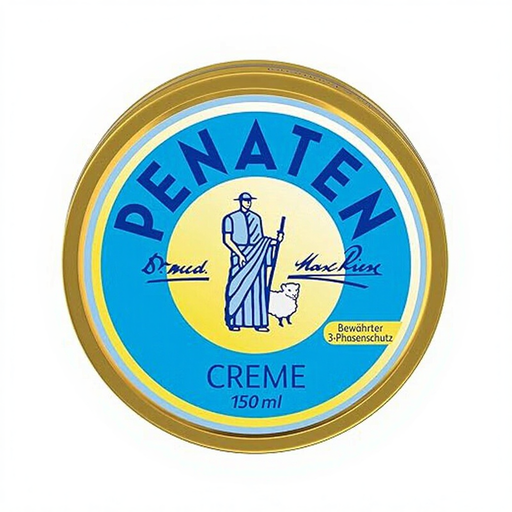
Why this product is a great fit: This is a classic diaper rash cream, specially developed for use in the diaper area to protect the skin from moisture and soothe redness.
It avoids the "one-for-all" trap by being clearly positioned as a specialised product. Its thick, adhesive texture is optimised for rash protection and not intended as a light moisturiser.
The formula with zinc oxide, lanolin, and panthenol provides triple protection: it soothes the skin, helps redness to subside, and forms a long-lasting, visible protective barrier.
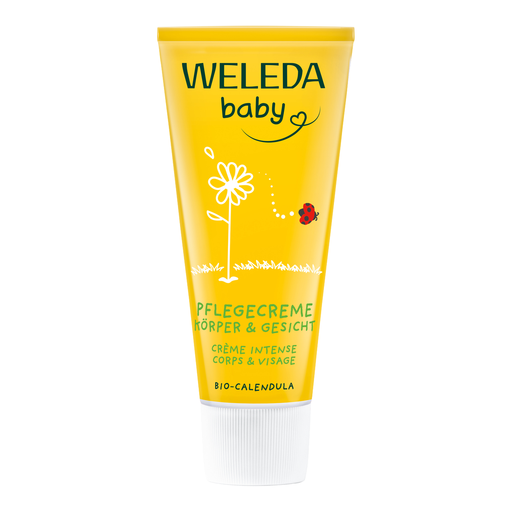
Why this product is a great fit: This rich cream is ideal for parents seeking intensive care for dry baby skin who also value ingredients from certified organic farming.
It avoids the "natural" trap by using proven, well-tolerated natural extracts like organic calendula, rather than relying on potentially irritating essential oils.
The combination of lanolin (which is similar to the skin's own lipids) and organic calendula extract reliably protects against dryness and soothes the skin without clogging pores.
We have compiled a complete, up-to-date list of products that meet these strict selection criteria and safety requirements.
Healthy baby skin doesn't necessarily need cream every day. Using a baby face cream is most beneficial when the skin is prone to dryness or needs protection from external factors like cold and wind. For newborns, the "less is more" principle applies. Care is only necessary when there is a visible need.
You can recognise a good baby cream for sensitive skin by its minimalist formula. Look for labels like "fragrance-free," "dye-free," and "dermatologically tested." A short ingredient list with proven, soothing active ingredients like panthenol, almond oil, or calendula is a positive sign.
This is generally not recommended. A diaper rash cream is very rich in fats and zinc to form a dense protective barrier in the diaper area. On the face, this thick texture can clog pores and is unsuitable for daily care. For the face, use a lighter baby care cream specifically designed for that purpose.