
Lieferung heute & morgen

Qualitätsgarantie

Willkommens-Angebote freischalten: KOSTENLOSE Lieferung | Bis zu 80 % RABATT | Kostenlose 30-Tage-JoyPlus-Testphase
App herunterladen
Baby skin can be sensitive to cold, dry indoor air, friction or moisture in the nappy area. So when choosing a baby cream, the brand name or a bold skincare claim shouldn’t be your only consideration. What matters is where the cream is intended to be used, the full INCI ingredient list and whether the texture is right for the job.
Plant oils and extracts can be included in a moisturising cream, but they don’t rule out fragrance or fragrance ingredients that must be listed on the label. If you’re looking for a fragrance-free baby cream, check the packaging for “fragrance-free” and read the INCI list. Ingredients such as calendula, chamomile or almond oil tell you about individual components, but not whether the product is fragrance-free.
A light baby face cream or baby body cream is intended for the daily care of dry skin. A baby nappy cream, on the other hand, often contains zinc oxide or other barrier-forming ingredients and is designed for the nappy area. A rich protective cream may feel uncomfortable on the face, while a light moisturiser may not provide the same protective layer under a nappy.
You usually only need a small amount of cream for a baby. A 200 ml tub may cost less per millilitre, but it’s only a good choice if you’ll use it regularly. For your changing bag or to try a product, a smaller pack such as 30 ml, 50 ml or 75 ml may be more practical. After opening, keep the lid and closure clean, and check the use-by information and instructions on the packaging.
Check whether the baby moisturising cream is intended for the face, body, nappy area or more than one area. Some products are described by the manufacturer as suitable from birth, while others are intended for children above a specified age. If in doubt, follow the information on the product packaging.
For the daily care of dry skin, you could consider creams containing glycerin, plant oils, shea butter or skin-conditioning lipids. Apply a children’s moisturiser in a thin layer to avoid putting unnecessary strain on the skin.
Read the full ingredients list and check for:
A short ingredients list isn’t automatically better. What matters is whether the ingredients suit the intended use and your child’s skin.
A face cream should be easy to dispense in a controlled amount and spread evenly. A larger pack may be suitable for the body. For the nappy area, choose a cream that the product description says is intended to protect against moisture.
Try new products on a small area of skin first. Stop using the product if redness, swelling, itching or other irritation occurs. Keep products out of the eyes and use them externally only. Seek medical advice for persistent or pronounced skin changes.
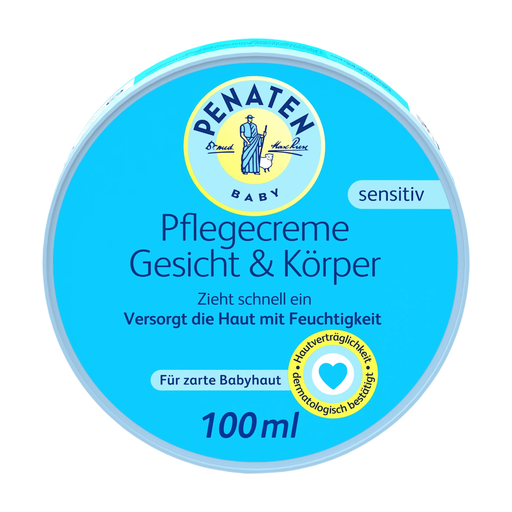
Why it suits this need: The 100 ml pack is a good choice for households looking for a cream for both the face and body, with clearly stated uses. According to the product description, it is free from fragrance, colourants and alcohol.
The product information specifies that it can be used on the face and body and that it is free from fragrance, colourants and alcohol. Check the current packaging before buying.
100 ml; described as suitable for daily care of the face and body and for use from birth.
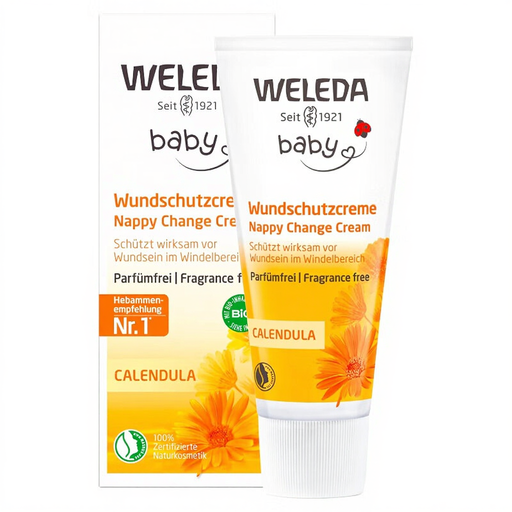
Why it suits this need: The 75 ml cream is designed for the nappy area. According to the ingredients list, it contains zinc oxide, beeswax, lanolin, almond oil, calendula extract and chamomile extract, among other ingredients.
Its clear positioning as a protective cream for the nappy area makes it less likely to be confused with a face or body moisturiser. Always check the current packaging when checking for fragrance.
75 ml; zinc oxide and wax-based ingredients listed in the INCI; indicated for infants.
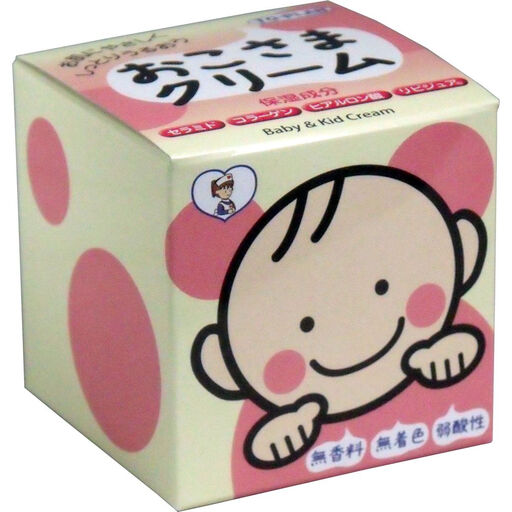
Why it suits this need: The 110 g pack is intended for families who want to use a face and body cream regularly. According to the product description, it is fragrance-free, free from colourants and formulated to be mildly acidic.
The clear “fragrance-free” claim addresses a common concern when choosing a product. It’s still worth checking the INCI list on the pack you receive, as formulations can change.
110 g; ceramides, glycerin and Sodium Hyaluronate listed in the ingredients; intended for the face and body.
We’ve put together a complete, regularly updated list of products that meet these strict selection criteria and fully comply with the safety regulations in force in the EU.
Apply a thin layer of moisturising cream to clean, dry skin. In the nappy area, make sure the skin is clean and dry before applying cream. With highly occlusive products, applying too thick a layer may put unnecessary strain on the skin. Smaller tubes such as Toplan Children's Moisturizing Cream 30 g or BEBE Zartpflege Delicate Cream 50 ml are handy space-savers for when you’re out and about; check the fragrance information for each product.
When choosing a calendula baby cream, a Penaten baby cream or a Weleda baby cream, don’t compare brands and plant ingredients alone. Check the pack size, intended use, fragrance information and full ingredients list.
It depends on your baby’s skin and the product. For dry skin, a thin layer after washing may help. Healthy skin doesn’t necessarily need cream every time. Keep an eye on how the skin responds and avoid applying unnecessarily thick layers.
Only if the manufacturer explicitly says it’s suitable for both areas. A product labelled as a baby face cream isn’t automatically suitable for the nappy area. Conversely, a zinc oxide nappy cream may be too rich for the face. Always follow the instructions on the packaging.
Unopened products have a best-before date or equivalent shelf-life information. After opening, the packaging often shows an open-jar symbol with a number of months. Discard the cream if its smell changes, its consistency looks unusual or its colour changes. Store it according to the manufacturer’s instructions, ideally somewhere dry and away from direct heat.