
Lieferung heute & morgen

Qualitätsgarantie

Willkommens-Angebote freischalten: KOSTENLOSE Lieferung | Bis zu 80 % RABATT | Kostenlose 30-Tage-JoyPlus-Testphase
App herunterladen
Finding the right baby cream is less about the flashiest packaging and more about your baby’s specific skin situation. A cream for the face and body has to meet different requirements to a nappy rash cream for babies used in the nappy area. Terms like “natural”, “hypoallergenic” or “for sensitive skin” should not be taken at face value as a guarantee of quality.
Plant oils and extracts can be part of a natural baby cream. However, they don’t automatically rule out fragrances or declared fragrance components. If you’re looking for a fragrance-free baby cream, you should check the full INCI list on the packaging, rather than relying solely on terms like “calendula” or “organic”.
A rich moisturising cream for dry cheeks isn’t automatically suitable as a nappy cream. Products for the nappy area often contain barrier-forming ingredients like zinc oxide. A light baby lotion, on the other hand, can be spread over large areas easily, but may not offer the same level of protection as a high-fat cream.
“Dermatologically tested” describes a skin compatibility test under specific conditions, but it isn’t a promise for every individual skin type. Similarly, “hypoallergenic baby care” doesn’t mean an allergic reaction is completely ruled out. If you know your baby has sensitivities, the ingredients list matters more than the advertising claim.
First, you need to decide whether the baby cream for face and body is intended for dry patches or the nappy area.
For a baby cream for dry skin, ingredients like glycerin, plant oils, shea butter or certain moisture-binding substances can be beneficial. Ceramides, hyaluronic acid or panthenol are also commonly found in care formulations. What matters most is individual tolerance, not the longest possible list of active ingredients.
With a fragrance-free formula, “Parfum” should not appear on the INCI list. If you want to avoid essential oils or fragrance allergens, you’ll also need to look out for specific individual names. Anyone with allergies to nuts, wool or certain animal-derived ingredients should check the manufacturer’s specific information.
For care for newborns, you should follow the stated age recommendation. Some products are suitable from birth according to the manufacturer, while others are only recommended from a certain month of age. Before the first full application, it’s a good idea to do a small patch test. Apply the cream thinly to clean, dry skin. If redness, itching, swelling or persistent irritation occurs, stop using the product and seek medical advice if needed.
On broken skin, weeping areas or noticeable changes, a cosmetic cream should not be seen as a substitute for a medical assessment.
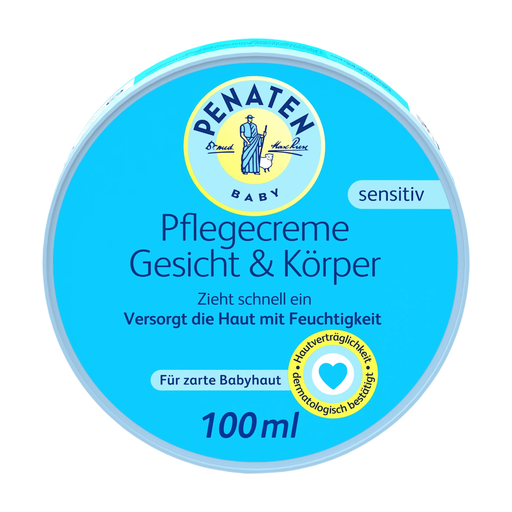
Why this product fits the profile: The 100ml size is manageable and ideal for families who want to try a single cream for face and body. According to the product information, it is suitable for newborns and free from fragrances, colourants and alcohol.
Its clear focus on face and body prevents a nappy cream from being mistakenly used as an all-purpose moisturiser. The fragrance-free claim can be cross-checked directly with the ingredients list.
100ml content; according to the product description, free from fragrances, colourants and alcohol; for external use.
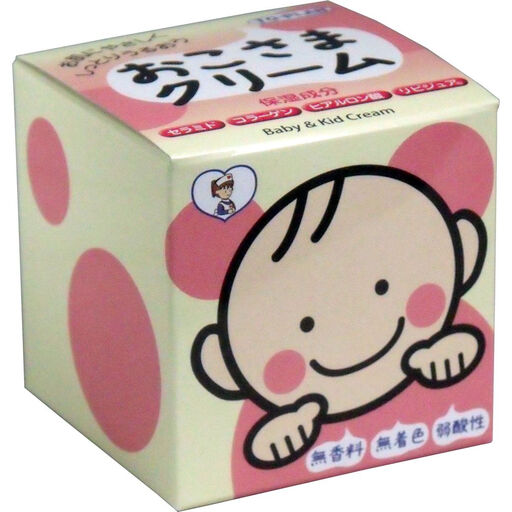
Why this product fits the profile: According to the product information, the formula is fragrance-free and colourant-free, and has a mildly acidic pH. It is intended for face and body and contains, among other ingredients, ceramides and sodium hyaluronate.
The specific INCI list makes it easier to compare against your personal exclusion criteria. Before buying, you should check the current ingredients list on the packaging.
110g content; for face and body; according to the product information, free from fragrances and colourants.
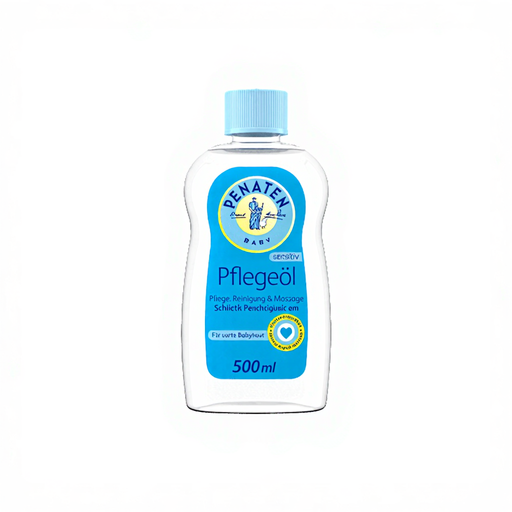
Why this product fits the profile: The 500ml bottle is aimed at families who regularly use baby oil for massage, care or gentle cleaning of the nappy area. According to the product information, it is suitable from birth.
Oil is not positioned as an equivalent substitute for a cream or nappy rash cream. It should be used sparingly and only externally.
500ml content; according to the product information, free from parabens and colourants; suitable for massage and cleaning.
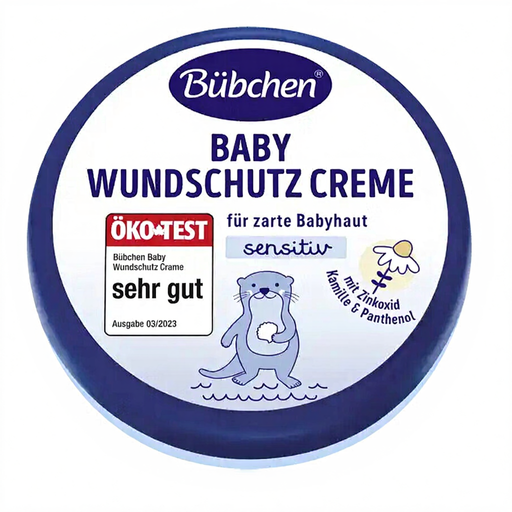
Why this product fits the profile: This cream is specifically designed for the nappy area. According to the product description, it contains zinc oxide, chamomile and panthenol, and forms a protective film.
Its clear purpose prevents the common confusion with a general baby care cream. For the face and body, you should choose a product specifically designed for those areas.
150ml content; contains zinc oxide, chamomile and panthenol according to the product information; designed for the nappy area.
We’ve put together a full, regularly updated list of products that fully meet these strict selection criteria and the safety regulations in force in the EU.
For dry skin, a richer cream with moisture-binding and re-fatting ingredients can be beneficial. A baby cream for dry skin should be applied thinly. For recurring, severely reddened or weeping areas, a cosmetic moisturiser may not be enough. In this case, the skin should be assessed by a doctor.
This depends on the skin condition and the product. For normal skin, a sparing application after bath time or when dryness is visible is often sufficient. A nappy rash cream should be used specifically on the nappy area and not automatically all over the body. Always follow the specific instructions on the packaging.
Alongside the best-before date, look for the symbol indicating how long the product lasts after opening, for example “12M”. Changes in smell, colour or consistency are signs that you should stop using the product. Tubes and pots should be closed after each use and protected from heat, frost and direct sunlight.