
Lieferung heute & morgen

Qualitätsgarantie

Willkommens-Angebote freischalten: KOSTENLOSE Lieferung | Bis zu 80 % RABATT | Kostenlose 30-Tage-JoyPlus-Testphase
App herunterladen
Baby skin doesn’t automatically need lots of different products. The key is to decide whether you’re looking for a baby cream for face and body, a light lotion or a baby nappy cream. Marketing terms such as ‘extra gentle’, ‘natural’ or ‘for sensitive skin’ don’t, on their own, tell you much about the exact ingredients or intended use.
This guide explains what parents, parents-to-be and carers should look out for when buying baby cream, and which products may suit different everyday needs.
A natural baby cream may contain essential oils or fragrance ingredients that must be listed on the packaging. If your baby has sensitive skin, it’s worth checking the full INCI list. Ingredients such as limonene, linalool, geraniol and citral may come from natural essential oils, but can still be relevant for some people.
It’s also worth checking product descriptions against the packaging. For example, the PENATEN Baby Protective Cream is described as having a fragrance-free formula, while ‘Parfum’ appears in the ingredient information provided. Always check the current packaging before you buy.
A light baby moisturiser or baby body lotion is intended for the daily care of dry skin. In the nappy area, a richer cream containing a protective ingredient such as zinc oxide may be more suitable. It forms a barrier against moisture and friction.
Nappy cream shouldn’t be used all over the body as a matter of course. Equally, a light body lotion may not be a suitable substitute for a specially formulated baby nappy cream.
The age guidance needs to match your baby’s age. According to the manufacturer, some products are suitable from birth, while others are intended for use from one month. Check the product label carefully, especially for newborns. For external use, follow the instructions on how much to apply, where to use it and whether it’s suitable for damaged skin.
Before you buy, think about where you’ll use the cream:
With a baby cream for sensitive skin, short, easy-to-understand ingredient lists can be simpler to assess. Common skincare ingredients include glycerin, shea butter, almond oil, panthenol and plant oils. However, their presence doesn’t automatically mean a product will suit your baby.
If you want to avoid fragrance, look specifically for a fragrance-free baby cream and check the INCI list. Plant-based ingredients such as calendula, camomile and essential oils may also be unsuitable for some people. If you have a known allergy, speak to a healthcare professional.
Check for:
Cosmetic products don’t treat medical conditions. If redness persists, the skin becomes weepy or broken, or the condition gets noticeably worse, stop using the product and seek medical advice.
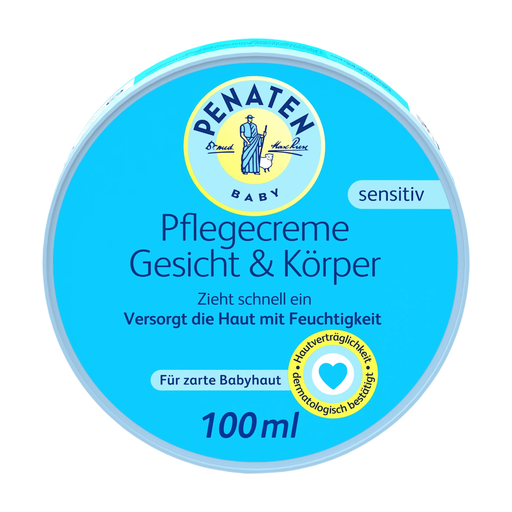
Why this product suits this profile: This cream is intended for the face and body, making it a handy all-in-one option for everyday care. According to the product description, it’s formulated for newborns and very sensitive skin.
Its stated use for the face and body helps avoid using a nappy cream all over. Check the packaging again for fragrance information before you buy.
100 ml, for use on the face and body, and described as free from colourants and alcohol.
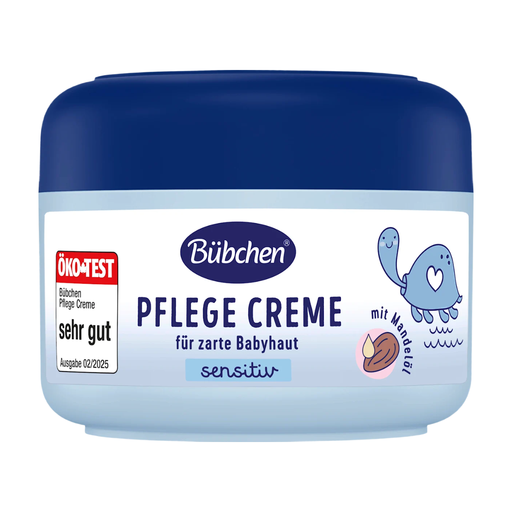
Why this product suits this profile: This small tub is handy for caring for sensitive skin, particularly on the face. The product information describes it as fragrance-free and lists panthenol, almond oil, allantoin and shea butter.
The Sensitive version and fragrance-free formula may appeal if you’re looking to reduce exposure to fragrance. The INCI list should still be your guide.
75 ml, described as fragrance-free, with several nourishing ingredients for the face and sensitive skin.
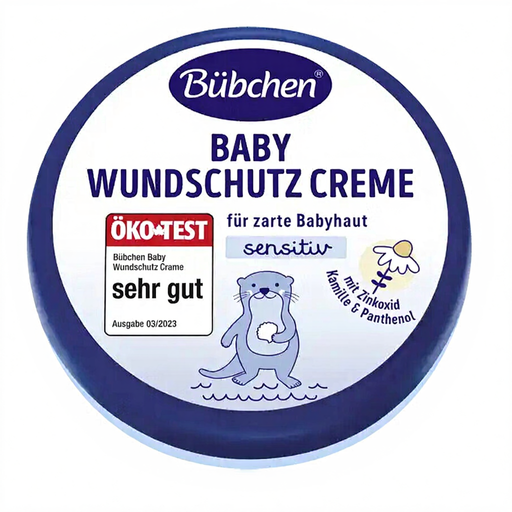
Why this product suits this profile: For families who regularly need cream for the nappy area, the 150 ml size is suited to its intended use. According to the product description, it contains zinc oxide, camomile and panthenol.
Its clear focus on the nappy area helps prevent a general body cream from being mistaken for a moisture barrier. Apply a thin layer to clean, dry skin.
150 ml, with zinc oxide listed as an ingredient, and described by the manufacturer as free from silicones, colourants and microplastics.
It depends on the product’s labelling. According to the manufacturer, some creams and balms are suitable from the first day of life, while others are intended for use from one month. If you’re choosing a baby cream from birth, check the age guidance, directions for use and ingredients on the current packaging.
Check the period-after-opening symbol, usually shown as an open jar with a number of months. The cream should also be stored in a cool, dry place away from direct sunlight. If its smell, colour or consistency changes, don’t use it again.
Baby body lotion is usually lighter and designed for larger areas of skin. Baby care cream is often richer and is more likely to be applied to dry patches. A baby nappy cream, on the other hand, is specially designed for the nappy area and contact with moisture. The right choice mainly depends on the area of skin, the texture and the ingredients.