
Lieferung heute & morgen

Qualitätsgarantie

Willkommens-Angebote freischalten: KOSTENLOSE Lieferung | Bis zu 80 % RABATT | Kostenlose 30-Tage-JoyPlus-Testphase
App herunterladen
A baby cream is part of the basic kit for many families. However, not every cream is suitable for every area of skin or everyday situation. A rich nappy rash cream may feel too heavy on the face, while a lightweight moisturising cream for children may not be the right choice for weeping or heavily stressed skin.
Product descriptions can also make purchasing decisions more difficult. Terms such as “sensitive”, “natural” or “for the whole family” are no substitute for carefully checking the ingredients and directions for use. The following criteria can help you assess marketing claims and choose a suitable baby moisturiser.
For sensitive baby skin, many parents prefer a fragrance-free baby cream. The complete INCI list on the packaging is the deciding factor. Product details should be checked against the actual label, as formulations may change.
One example is Penaten Baby Protective Cream 200 ml: the available product details describe it as fragrance-free, while “Parfum” is listed among the ingredients. The current packaging should therefore be checked before purchase and, in particular, before first use.
A baby face cream or baby body cream is generally intended for dry areas of skin on the face and body. In the nappy area, moisture, friction and frequent cleaning are the main concerns. A specially designated baby nappy rash cream containing zinc oxide or another barrier ingredient may therefore be a more suitable choice.
The statement “dermatologically tested” describes a skin compatibility test carried out according to the manufacturer’s information. It does not guarantee that every child will tolerate the cream without any problems. If your child has known allergies, highly reactive skin or a history of intolerance, the ingredients should be checked particularly carefully.
First, establish what the cream is needed for:
The age recommendation is also relevant. According to the product details, some products are suitable from birth, while others are intended for babies from a specific age or for toddlers. A cream for children is not automatically intended for newborns.
A cream for dry baby skin often contains nourishing and moisture-binding ingredients. These may include glycerine, plant oils, shea butter, panthenol or ceramides. A baby cream with calendula often contains calendula extract; Weleda also lists chamomile extract.
Baby cream with zinc oxide is often chosen for the nappy area. As a mineral ingredient, zinc oxide can form a protective barrier. This is a product-specific property and is not a statement about treating a medical condition.
If you want to avoid fragrances, do not rely solely on the front of the packaging. The INCI list may include “Parfum” as well as individual fragrance allergens such as citral.
A thick cream can be applied precisely in the nappy area, but may absorb relatively slowly when used over larger areas of the body. Lightweight formulations are often better suited to the face and body, while rich textures can be practical for targeted care.
Pack size also affects your purchasing decision:
Once opened, follow the stated shelf life. The tub or tube will remain more hygienic if it is kept tightly closed and protected from heat and direct sunlight.
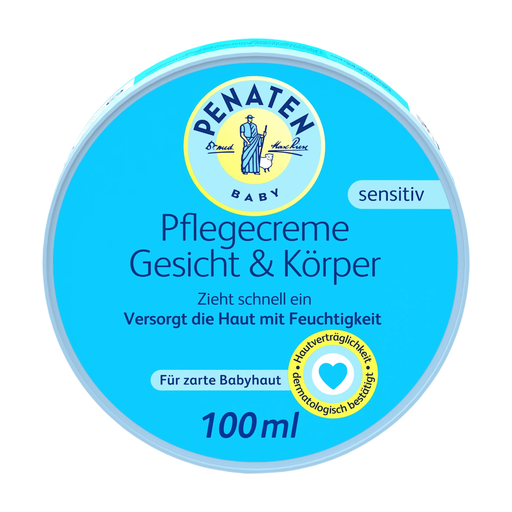
Why this product suits this profile: The 100 ml size is designed for regular facial and body care, making it a manageable everyday essential.
The product details state that the formulation is free from fragrances, colourants and alcohol. Even so, the current ingredients list should be checked before use.
Intended for the face and body; the product details state that it is suitable for newborns and particularly sensitive skin.
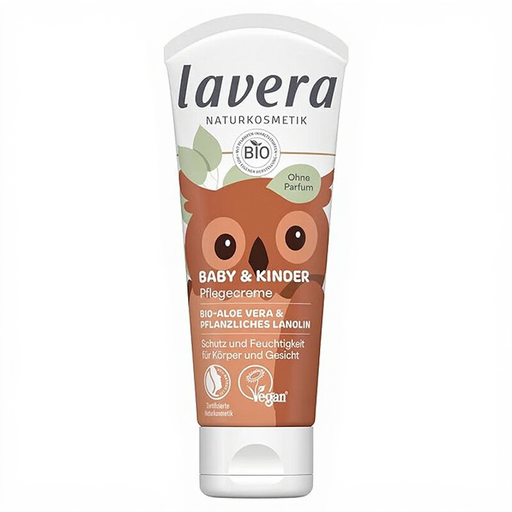
Why this product suits this profile: According to the product details, the cream is intended for sensitive children’s skin and combines a 75 ml pack with a formulation free from mineral oils, parabens and preservatives.
The stated exclusions are more specific than general terms such as “gentle”. Nevertheless, the current packaging declaration remains the authoritative source.
Aloe vera, soya and grapeseed oils, as well as chamomile extract, are listed as ingredients; suitable for the face and body.
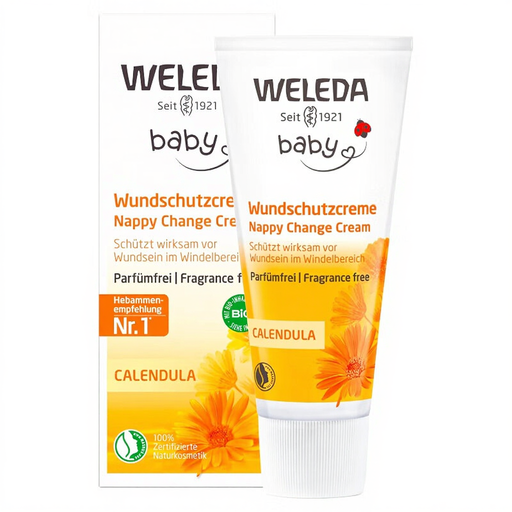
Why this product suits this profile: According to the product description, the cream is intended for the nappy area and contains zinc oxide and lanolin as ingredients in its protective care formula.
Its stated purpose clearly distinguishes it from a general face cream. If your child has sensitive skin, monitor tolerance on a small area first.
Contains 75 ml; calendula and chamomile extracts, as well as almond and sesame oils, are listed among the ingredients.
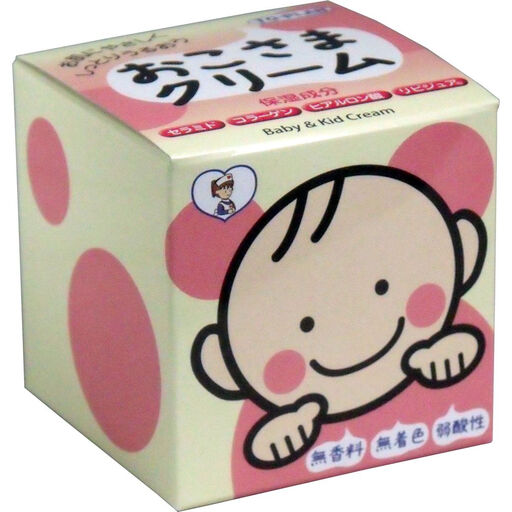
Why this product suits this profile: The 110 g size is intended for regular use. According to the product details, the cream is suitable for the face and body, as well as for children and adults.
The product details explicitly state that it is free from fragrances and colourants. As the formulation may vary according to the description, check the packaging before purchase.
Ceramides, glycerine and hyaluronic acid are listed as ingredients; the texture is described as non-sticky.
We have put together a complete, regularly updated list of products that fully meet these strict selection criteria and the safety regulations applicable in the EU.
Before applying the cream over a large area for the first time, a small amount on an inconspicuous area of skin is sufficient. If redness, swelling, itching or other reactions occur, stop using the product. Seek medical advice if symptoms persist or are pronounced. Cosmetic baby care is not a substitute for medical assessment.
As a general rule, apply a thin layer of cream to clean, dry skin. In the nappy area, the skin should be as dry as possible before application. Avoid contact with the eyes and mucous membranes. Products containing fragrances, essential oils or certain plant extracts are not necessarily unsuitable, but they may cause unwanted reactions in some children.
Depending on the area of skin, lightweight or rich moisturisers may be suitable for dry skin. Ingredients such as glycerine, plant oils, shea butter and ceramides are often used to care for dry skin. Individual tolerance, the age recommendation and the intended area of use are the key considerations.
Only if the manufacturer explicitly lists the face and body as areas of application. A baby face cream should be applied sparingly and kept out of the eyes. Zinc oxide nappy rash creams are primarily intended for the nappy area and are not automatically suitable for daily facial care.
The open-jar symbol on the packaging, such as “12M”, is the key reference, along with the printed best-before date or batch marking. If the smell, colour or consistency changes, stop using the product. Close tubs and tubes tightly after every use and store them in a dry place.