
Lieferung heute & morgen

Qualitätsgarantie

Willkommens-Angebote freischalten: KOSTENLOSE Lieferung | Bis zu 80 % RABATT | Kostenlose 30-Tage-JoyPlus-Testphase
App herunterladen
Purchasing a baby crib is one of the most important decisions for expectant parents. The market offers a wealth of options, from multifunctional convertible systems to specialised bedside sleepers. However, marketing claims can often hide pitfalls that lead to unnecessary expenses or impractical solutions. As your Joybuy Product Recommendation Officer, I'm here to help you understand the essential criteria and make an informed choice.
A hasty decision can result in a crib that no longer meets your needs after just a few months. Watch out for these common pitfalls:
To make a durable and safe choice, focus on three objective criteria.
Safety is the highest priority. Pay attention to the following points:
Consider how and for how long you plan to use the crib.
The mattress is just as important as the crib frame itself. It should be:
A baby nest can provide a sense of security in the first few weeks but should only be used under supervision and not for unsupervised overnight sleep in the crib. A gentle baby sleep aid, such as a night light with melodies, can also help create a calming atmosphere.
Here are some models tailored to the specific requirements of families.
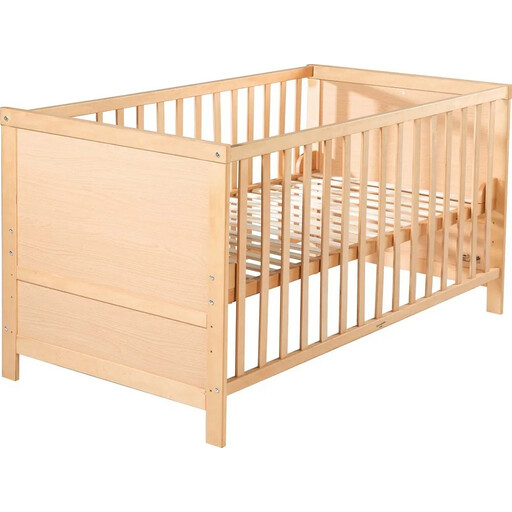
Why it's a match: Ideal for parents seeking a single, long-term investment. This bed accompanies the child from birth to school age, making further purchases unnecessary.
This model is a true convertible baby crib. The conversion to a junior bed is possible without buying expensive conversion kits, saving costs in the long run.
3-level height-adjustable base and 3 removable slats for greater independence. The construction complies with current safety standards.

Why it's a match: Perfect for families with limited space who value closeness and flexibility. It combines the functions of a bedside sleeper and a bassinet and is mobile thanks to its wheels.
This model meets the specific safety standard EN 1130:2019 for bedside sleepers. The included safety harness ensures a secure attachment to the parents' bed.
7-level height adjustment to adapt to various bed heights. Includes a breathable mattress and a mesh barrier for optimal air circulation and safety.
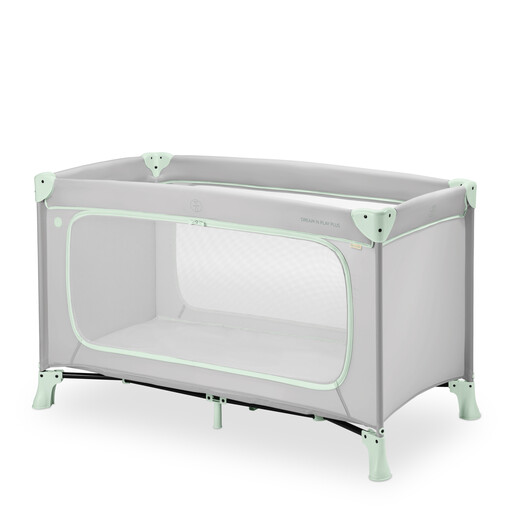
Why it's a match: A reliable and straightforward solution for families who are often on the go, whether for holidays or visits to the grandparents.
Instead of transporting a heavy primary crib, this baby travel cot offers a dedicated, lightweight, and safe alternative designed specifically for mobile use.
Simple folding mechanism for quick setup and takedown. Large mesh windows for good air circulation and a side exit for independent toddlers.
We have compiled a complete, up-to-date list of products that fully meet these strict selection criteria and the relevant safety regulations.
Primarily, look for compliance with European safety standards: DIN EN 716 for cots and DIN EN 1130 for bedside sleepers and cradles. These standards ensure that slat spacing is correct, there are no entrapment hazards, and the construction is stable. Also, check that non-toxic, saliva-resistant finishes and materials have been used.
A convertible crib measuring 70x140 cm is a very durable solution. As a cot with rails, it is suitable from birth up to an age of about 2 to 3 years. After being converted into a toddler bed, it can often be used until the child is 6 or 7 years old, depending on their size and development.
A bedside sleeper has one open side and is attached directly to the parents' bed to keep the baby close at night and make feeding easier. A bassinet is a small cot or basket, often on wheels, that is mobile and can be used in different rooms during the day to keep the baby nearby. Some models combine both functions.