
Lieferung heute & morgen

Qualitätsgarantie

Willkommens-Angebote freischalten: KOSTENLOSE Lieferung | Bis zu 80 % RABATT | Kostenlose 30-Tage-JoyPlus-Testphase
App herunterladen
Diaper rash is uncomfortable for babies and a source of worry for parents. However, choosing the right barrier cream can quickly become overwhelming. Many products promise fast relief, but not every formula is suitable for the delicate skin in the diaper area. As your Joybuy Product Recommendation Officer, I'll help you identify the crucial features and avoid common purchasing pitfalls, so you can make an informed decision for your child.
Before you make a purchase, it's important to question common marketing claims. Many parents invest in products that don't deliver on their promises or even worsen skin problems.
To find a suitable cream for diaper dermatitis, you should focus on objective criteria. These three parameters will help you distinguish the quality products from the rest.
Most diaper rash creams are based on one of two main strategies. Understanding the difference is key to proper application:
A good diaper cream must form a protective film that repels moisture while remaining breathable. Look for formulations without mineral oils, silicones, or paraffins. These ingredients can create an airtight film that may compromise skin health. A high-quality cream absorbs well or leaves a light, non-sticky protective film.
When it comes to a baby's sensitive skin, less is more. Carefully check the ingredient list (INCI) for the following substances, which have no place in a diaper rash cream:
A short and understandable ingredient list is often a good sign.
Instead of making a one-size-fits-all recommendation, we have selected products that cater to different needs and skin conditions.
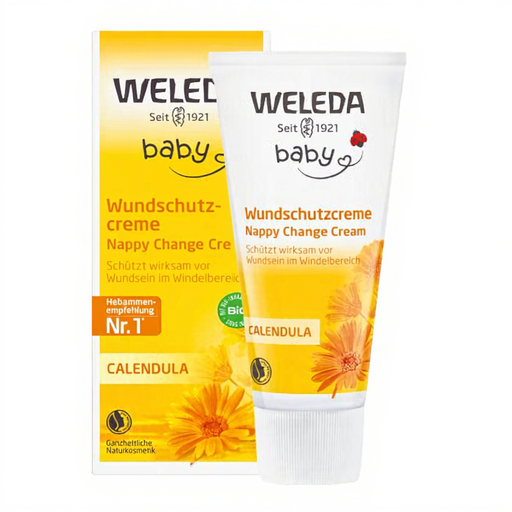
Why it's a great fit: Perfect for parents who value certified natural cosmetics and a straightforward, high-quality ingredient list. The cream is formulated for the needs of sensitive skin and has been a trusted choice in Germany for decades.
It sidesteps the "all-natural" fallacy by using a transparent formula with proven ingredients like calendula and chamomile flower extracts, known for their soothing properties, rather than relying on exotic, untested botanicals.
The combination of lanolin and zinc oxide provides reliable moisture protection, while almond and sesame oils nourish the skin. The cream is certified as natural cosmetic.
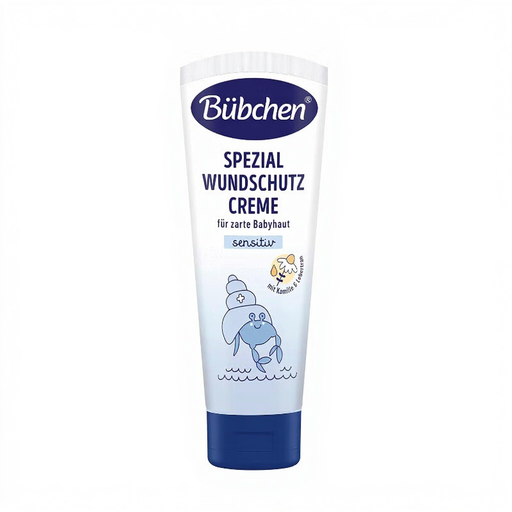
Why it's a great fit: This special cream is designed for targeted use on already irritated and red skin. It's the right choice when a simple nourishing cream is no longer enough and fast relief is needed.
It avoids the trap of the wrong consistency by offering a rich yet breathable formula that forms a protective film without sealing the skin. The formulation is specifically designed to support skin regeneration during irritation.
The active ingredient combination of chamomile and cod liver oil is traditionally known for its soothing and regenerative properties. The cream is free from mineral oil, preservatives, and dyes.
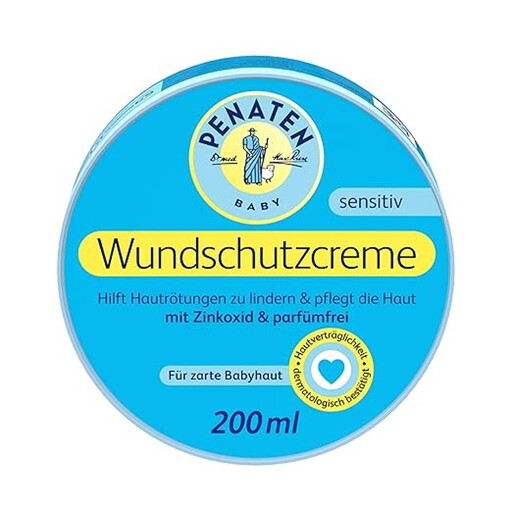
Why it's a great fit: A classic in German bathrooms, known for its reliable protective effect. The large 200ml tin offers excellent value for money and is ideal for daily use as part of a new baby essentials kit.
It avoids the hidden irritant trap by relying on a proven, fragrance-free formula (although "Parfum" is listed in the INCI, the manufacturer describes the product as perfume-free, which may indicate a hypoallergenic fragrance blend; caution is still advised). Its skin compatibility is dermatologically confirmed.
The cream forms an effective, breathable protective film with zinc oxide, lanolin, and panthenol, which soothes the skin and relieves redness. It was specially developed for the skin of newborns.
We have compiled a complete, up-to-date list of products that fully meet these strict selection criteria and German safety regulations.
1. How often should you apply diaper rash cream? For prevention, it is recommended to apply a thin layer to clean, dry skin at every diaper change. If redness is already present, the cream can be applied a bit more thickly to create a stronger protective barrier.
2. How can I identify a good diaper cream for my baby? A good diaper cream has a short, understandable ingredient list without perfume, dyes, and unnecessary preservatives. It should be based on proven active ingredients like zinc oxide, calendula, or panthenol and have a breathable yet protective consistency.
3. Can zinc ointment be used daily for prevention? Yes, a zinc ointment can be applied thinly every day to protect the skin from moisture. However, due to its slightly drying effect, it should only be applied specifically to areas prone to redness on dry skin. For large-area daily care, a purely nourishing cream without a high zinc content is often a better choice.