
Lieferung heute & morgen

Qualitätsgarantie

Willkommens-Angebote freischalten: KOSTENLOSE Lieferung | Bis zu 80 % RABATT | Kostenlose 30-Tage-JoyPlus-Testphase
App herunterladen
Baby feeding accessories accompany families through several developmental stages: from the first breastfeeding aids, through bottle feeding, to independent eating. However, when it comes to products for babies, eye-catching marketing claims do not automatically lead to the right purchasing decision. What really matters are clear, verifiable details about materials, age suitability, cleaning and everyday handling.
BPA-free materials are an important consideration, but they don't automatically tell you everything about the product's overall use. Freedom from PVC and phthalates, suitability for food contact, and cleaning instructions can also be relevant. With a baby spoon, the shape should also suit the child's age. A spoon for weaning from six months does not need to have the same features as a model for younger babies.
Anti-colic bottles, valve systems, bottle warmers or comprehensive brush sets offer practical functions. At the same time, extra parts create more places where milk residue can collect. So check before you buy:
A dummy for 0 to 6 months, a baby bowl for weaning and a silicone bib for toddlers all have different requirements. The age recommendation is therefore not a trivial marketing detail. It should match the child's developmental stage and the intended use.
Look for specific material details such as food-grade silicone, polypropylene (PP) or BPA-free plastics. For products that come into direct contact with the mouth, references to applicable standards are also useful. The MiaMia baby bottle 260 ml, for example, is stated to be tested according to EN 14350. For dummies, the EN 1400 standard is a relevant benchmark; the MAM model is listed with this compliance.
A material description alone does not replace proper use. Products should be checked before every use for cracks, sticky spots, loose parts or damaged teats.
Baby bowls and baby spoons need to be thoroughly cleaned regularly. The Kikka Boo Spoon Platinum Silicone Sand is stated to be made from 100% food-grade platinum silicone, is BPA- and phthalate-free, and is suitable for the dishwasher, microwave and steriliser. The stated temperature range is from -40 °C to 230 °C. Nevertheless, the temperature of the food must always be checked separately before feeding.
With a baby bottle, the bottle, teat, ring and valve should be cleaned separately according to the manufacturer's instructions. A bottle brush with a teat and straw brush can be helpful when you need to clean different shapes and pump parts.
For newborns, a slow milk flow and a suitable teat size are important. The MAM Easy Start Elements Anti-Colic Baby Bottle 260 ml is described as suitable from birth with a slow teat. The Philips Avent Anti-Colic Teats Size 1 are also designed for use from birth.
With a silicone bib, look for adjustable fastenings, a catch pocket and easy drying. Fabric bibs, on the other hand, can be useful if you need several changes a day. For the breastfeeding period, depending on your personal situation, breast milk storage and a colostrum collector may also be part of your kit. However, these products should be used strictly according to their respective instructions.
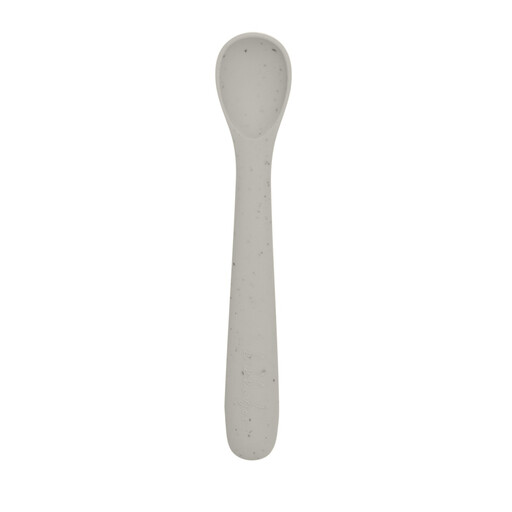
Why this product fits the profile: The baby spoon is designed for weaning from six months and makes a straightforward starter piece for those first meals.
Clear age recommendation, BPA- and phthalate-free status, and stated suitability for dishwasher and steriliser reduce uncertainty when choosing.
100% food-grade platinum silicone, 14.8 × 2.7 cm, temperature resistant from -40 °C to 230 °C.
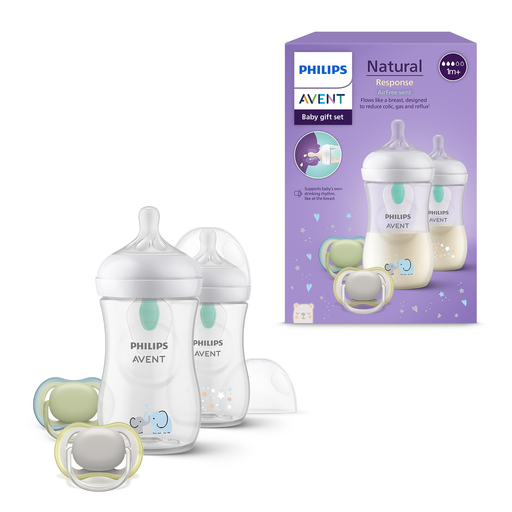
Why this product fits the profile: The set combines two 260 ml baby bottles with an AirFree valve and two dummies for 0 to 6 months, so it can cover several everyday situations.
The product details specify material, capacity, teat size and age range, rather than just advertising a general comfort feature.
BPA-free polypropylene, dishwasher-safe components and two different product types in one set.

Why this product fits the profile: Families with several bottles, teats or breast pump parts get various brushes plus a portable storage solution.
The different brushes help reach hard-to-access areas; after washing, all parts must be completely dried.
Includes bottle brush, teat brush, straw brush, soap dispenser, foldable drying rack and carry case.
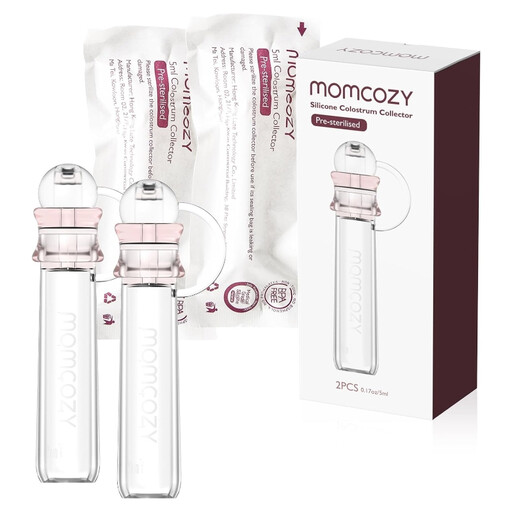
Why this product fits the profile: According to the product details, the set is aimed at pregnant women and breastfeeding mothers for collecting and storing colostrum.
The 5 ml capacity and the explicit age recommendation “for adults only” clearly define the intended use.
BPA-free, food-grade silicone, two collectors with storage box; stated as not dishwasher-safe.
We have put together a complete, regularly updated list of products that fully meet these strict selection criteria and the safety regulations in force in the EU.
A silicone bib with a catch pocket is practical for puréed foods and finger foods. The BC Babycare Superlight Silicone Bib is described as BPA-, PVC- and phthalate-free and is dishwasher-safe. For families who need several bibs, the MiaMia sets offer an alternative made from water-repellent polyester. The 5-pack is washable at 30 °C, while the long-sleeved 3-pack also has sleeves and a catch pocket.
A bottle warmer can save time with frequent night feeds or feeds on the go. However, the temperature of the milk must always be checked independently of the device display. Sealed bottles must not be heated when warming. For storing breast milk, use suitable containers and follow the relevant hygiene storage instructions.
To begin with, depending on the feeding method, you only need a few products: suitable baby bottles and teats, a bottle brush, an appropriate cleaning or sterilisation system, and, if needed, dummies and containers for breast milk storage. A baby spoon and baby bowl are usually only needed when weaning begins.
That depends on the product and its condition. Dummies and teats should be replaced regularly according to the respective manufacturer's instructions and discarded immediately if any visible damage appears. Bottles, bibs and spoons should also be checked before each use. Cracks, deformations, loose fastenings or sticky surfaces are reasons for replacement.
A bottle warmer can be useful if you regularly warm milk or baby food and want a consistent method. If you only use a bottle occasionally, a water bath may suffice. Regardless of the method, the rule is: check the temperature, follow the manufacturer's instructions and do not keep milk warm for longer than necessary.