
Lieferung heute & morgen

Qualitätsgarantie

Willkommens-Angebote freischalten: KOSTENLOSE Lieferung | Bis zu 80 % RABATT | Kostenlose 30-Tage-JoyPlus-Testphase
App herunterladen
The transition to solid foods is a major milestone for your baby and for you as parents. With the right baby's first cutlery, you not only encourage your child's independence but also lay the foundation for healthy eating habits. However, the market is flooded with products whose designs promise more than they deliver. Many parents invest in cutlery that quickly proves to be impractical or even unsuitable. This guide will help you navigate the common pitfalls and make an informed decision.
The 3 Most Common Mistakes When Buying Baby's First Cutlery:
To avoid a bad buy, you should focus on a few crucial criteria. These objective parameters are more important than any marketing message.
The material is the most important factor. For starting solids, silicone baby cutlery has proven to be an excellent choice. Look for the designation food-grade silicone. This material offers several advantages:
Your baby's first cutlery should be designed specifically for small, unskilled hands. A baby's motor skills are still developing, so the following ergonomic features are important:
Instead of making a one-size-fits-all recommendation, we have curated products for different user profiles.
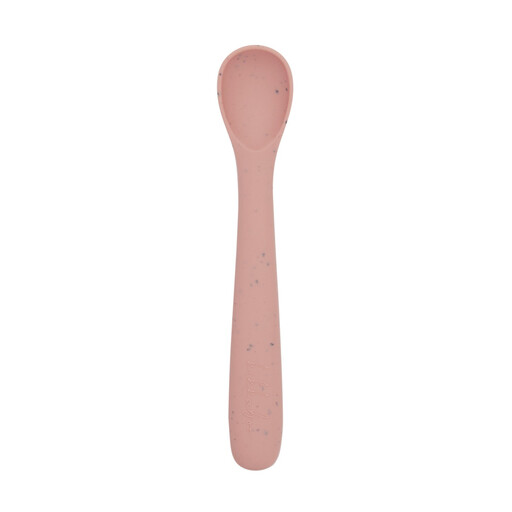
Why this product is a match: A single, high-quality spoon is ideal for testing how your child reacts to cutlery without investing in a full set right away. It's perfect for the first purée meals.
Made from 100% platinum silicone, the spoon is exceptionally soft and gentle on the gums (avoids pitfall 1). The ergonomic shape is tailored for small hands and mouths (avoids pitfall 2).
High temperature resistance (from -40°C to 230°C, according to the manufacturer) makes it suitable for the dishwasher, microwave, and steriliser. The material is BPA-free.

Why this product is a match: This set is an all-in-one solution for daily use. With a spoon, fork, and a travel case, it's ideal for meals at home and hygienically packed for on the go.
The ergonomic handles with a textured surface provide a secure grip and prevent frustration (avoids pitfall 2). The material is soft, BPA-free silicone (avoids pitfalls 1 & 3).
The set includes a sturdy travel case, which simplifies storage and transport while ensuring cleanliness. The fork's rounded tines are designed for safety.
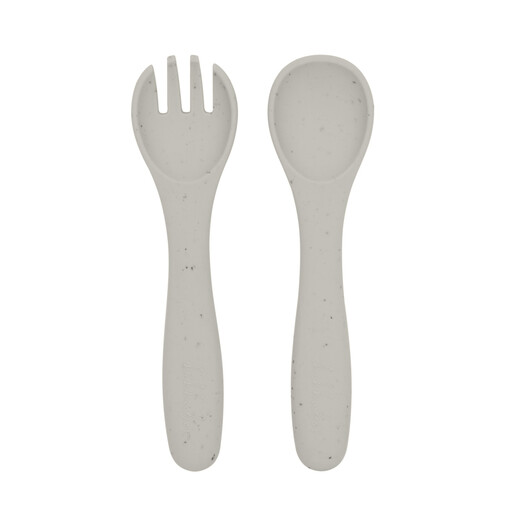
Why this product is a match: For parents who value the highest material quality and a cohesive, modern design. The "Sand" colour is stylish and timeless.
Crafted from 100% food-grade platinum silicone, this set meets high standards for safety and durability (avoids pitfalls 1 & 3). The shape is consistently designed to meet the needs of babies (avoids pitfall 2).
Platinum silicone is considered an exceptionally pure and durable material. The set is odourless, tasteless, and suitable for a wide temperature range.
We have compiled a complete, up-to-date list of products that fully meet these strict selection criteria and all relevant safety regulations.
Generally, first-stage cutlery is recommended from the start of weaning, around 6 months of age. However, the exact timing depends on your child's individual development. Look for signs like interest in the family's food and the ability to sit upright with support. Start with a soft spoon and introduce a fork when your child is developmentally ready.
Most high-quality silicone products are dishwasher-safe, which makes cleaning much easier. Alternatively, you can wash the cutlery by hand with warm water and a mild washing-up liquid. Always check the manufacturer's instructions to see if the product is also suitable for sterilisers or the microwave.
Reputable manufacturers label their products clearly. Look for the explicit note "BPA-free" or "contains no BPA" on the packaging or in the product description. Information about the material, such as "100% food-grade silicone" or "platinum silicone," is also a good indicator of tested quality and safety.