
Lieferung heute & morgen

Qualitätsgarantie

Willkommens-Angebote freischalten: KOSTENLOSE Lieferung | Bis zu 80 % RABATT | Kostenlose 30-Tage-JoyPlus-Testphase
App herunterladen
Choosing the right baby food can be a challenge for parents. The shelves are filled with a variety of products, all appearing nutritious and convenient. But often, appealing packaging and advertising promises hide pitfalls that can lead to an unsuitable choice. This guide will help you identify the important criteria and make an informed decision for your child's nutrition.
As a Joybuy Product Recommendation Officer, my job is to filter market information and provide you with objective, practical shopping advice to help you see through the marketing hype.
Before we dive into the selection criteria, it's important to be aware of two common marketing traps that often mislead parents.
To make a good choice, you should focus on objective and verifiable features. Here are the three most important points to check before you buy.
A short and understandable ingredient list is often a sign of a high-quality product. The ingredient listed first has the largest share by quantity.
The age recommendation on the packaging is an important guide, but it should be considered in the context of your child's individual development.
Ready-made baby purée and pouches are extremely convenient, especially when you're short on time or on the move. They offer a controlled and safe option.
The alternative is to make your own baby purée. This gives you complete control over all ingredients, their freshness, and composition. A powerful blender is the key tool for this.
Here is a selection of products tailored to the different needs of parents and children.
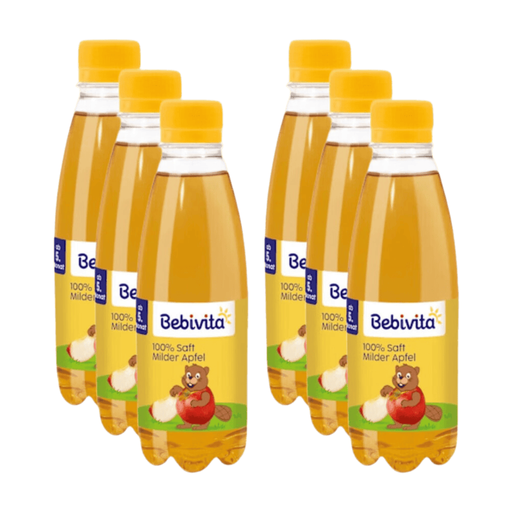
Why it's a good fit: Ideal for starting solids. The mild, low-acid juice can be served pure or diluted with water with meals to introduce your baby to new tastes.
The ingredient list is transparent: 100% apple juice from concentrate and Vitamin C. There are no hidden sugars or unnecessary additives.
Rich in Vitamin C, which the manufacturer states can improve iron absorption from plant-based foods. Gluten, lactose, and egg-free.
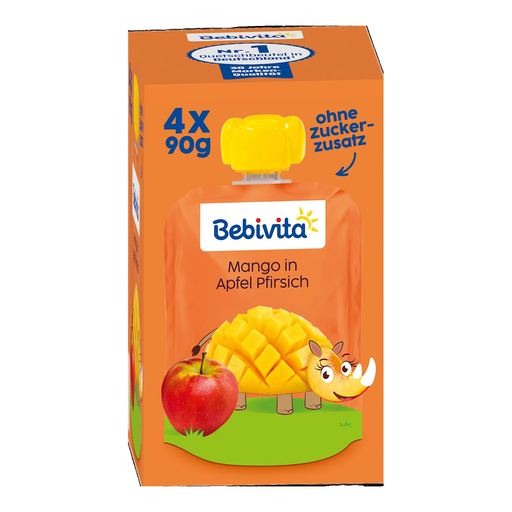
Why it's a good fit: A convenient fruit snack for toddlers from one year old. The resealable pouch is ideal for outings and prevents messes.
The clear "from 1 year" age recommendation correctly positions the product as a toddler snack, not a meal for infants. This avoids the misleading age recommendation trap.
Made from 100% fruit purée with no added sugar. The packaging is practical and encourages the child to eat independently.
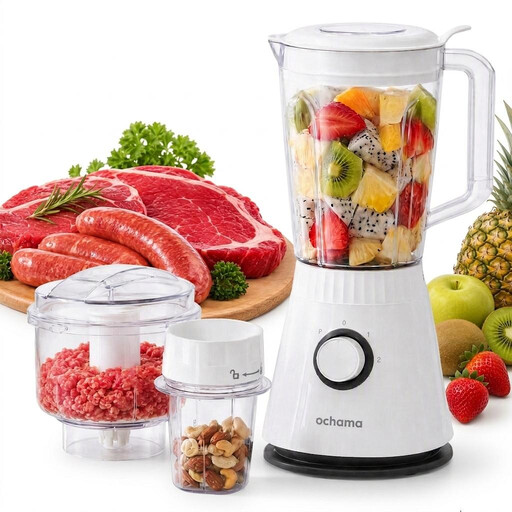
Why it's a good fit: For parents who want to make their own baby purée. This blender gives you full control over the ingredients, consistency, and freshness of your baby's food.
This appliance completely bypasses the pitfalls of ready-made products. You decide if and what sweeteners or fats to add, using only fresh ingredients.
The 600-watt motor and various speed settings effortlessly process fruit, vegetables, and even meat into a fine purée. The parts are detachable for easy cleaning.
We have compiled a complete, up-to-date list of products that meet these strict selection criteria.
The surest way is to check the ingredient list. If you see terms like sugar, glucose syrup, fructose, or maltodextrin, then sugar has been added. The note "contains naturally occurring sugars" is normal for fruit and vegetable products. Compare the "of which sugars" value in the nutritional table between different products.
Most manufacturers recommend pouches from the age of 1 year. They are designed as a snack for on-the-go and not as a replacement for a main meal. Due to the risk of tooth decay from prolonged sucking, the child should drink or spoon the contents quickly and not suck on the mouthpiece for an extended period.
Opened jars or pouches should always be stored in the refrigerator. Most manufacturers recommend consuming the contents within 1 to 3 days. Always follow the specific instructions on the product packaging. For hygiene reasons, leftovers that have been in contact with a spoon that was in the baby's mouth should not be stored for later.