
Lieferung heute & morgen

Qualitätsgarantie

Willkommens-Angebote freischalten: KOSTENLOSE Lieferung | Bis zu 80 % RABATT | Kostenlose 30-Tage-JoyPlus-Testphase
App herunterladen
Choosing the right baby formula can be a challenge for new parents. The vast array of infant nutrition products, with their different stages, brands, and ingredients, raises many questions. As your Joybuy Product Recommendation Officer, I'll help you separate the important facts from marketing promises and make an informed decision for your child.
Many parents unknowingly fall into two common traps:
This guide focuses on the objective criteria that will help you find the right formula for your baby.
Before you make a decision, you should check two fundamental parameters. These will help you systematically filter the range of baby milk powder and make a suitable choice.
The age recommendation is the most important criterion. The composition of the formula is precisely tailored to the nutritional needs of the respective developmental phase.
First Infant Milk (Stages Pre and 1): This is suitable for newborns from day one and can be used as the sole source of nutrition or to supplement breastfeeding.
Follow-On Milk (Stages 2 and 3): This is designed for babies after the 6th month (follow-on milk from 6 months) or after the 10th month. It is part of a mixed diet that also includes weaning foods and should not be used as a breast milk substitute in the first six months of life. Its nutrient profile, particularly the iron and protein content, is adapted to the needs of older infants.
Toddler Milk (from 1 or 2 years): These products are intended for toddlers from the 12th month onwards (toddler milk from 1 year). Compared to regular cow's milk, they often have a reduced protein content and are fortified with vitamins and minerals such as iron and vitamin D.
The ingredients list provides valuable clues about the quality and composition of the formula.
Instead of presenting an overwhelming list, we have selected products for three typical requirement profiles.
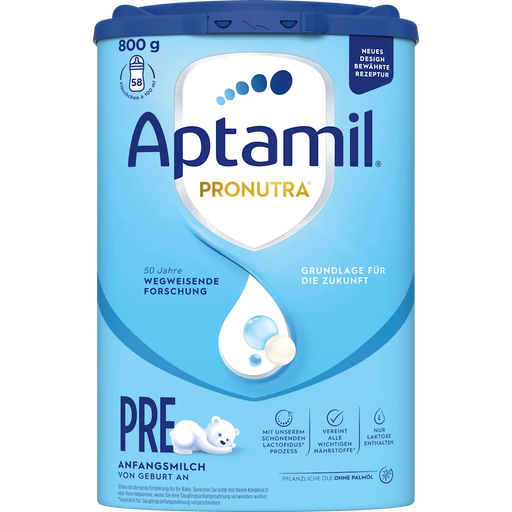
Why this product is a great fit: This infant milk from birth is designed as a sole source of nutrition or for supplementary feeding. It contains only lactose as a carbohydrate and can be fed on demand, just like breast milk, making it particularly suitable for the first phase of life.
The clear "PRE" labelling prevents confusion about the age stage. The formula focuses on the essential, legally regulated nutrients for newborns without distracting marketing additives.
Contains a combination of the legally required omega-3 fatty acid DHA and a GOS/FOS fibre blend.
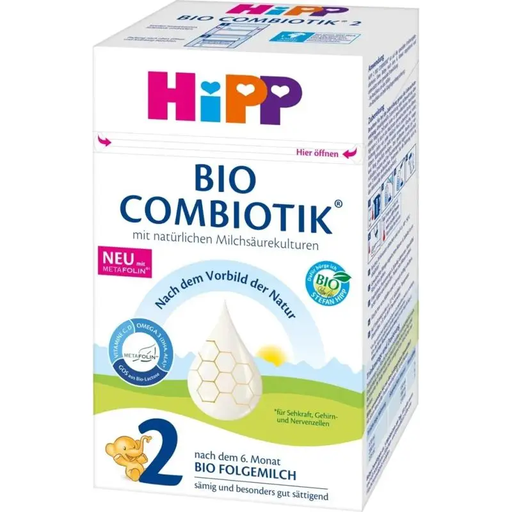
Why this product is a great fit: This follow-on milk from 6 months is ideal for babies who are already eating solid foods. Its organic quality and composition with natural lactic acid cultures appeal to parents who value natural nutrition.
The clear declaration as a follow-on milk for the weaning phase prevents incorrect use. The organic certification provides a transparent quality guarantee that goes beyond mere marketing buzzwords.
Combines omega-3 fatty acids (DHA & ALA) with natural lactic acid cultures (L. fermentum), originally derived from breast milk. Contains Metafolin, a folate source inspired by nature.
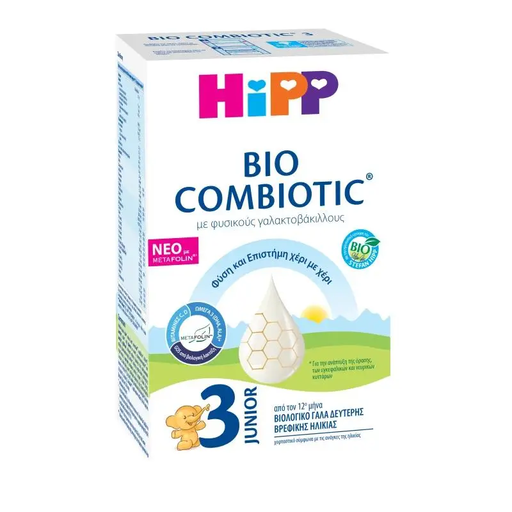
Why this product is a great fit: This toddler milk from 1 year is tailored to the nutritional needs of toddlers. It serves as a milk drink for breakfast, in cereal, or as an evening meal, providing essential nutrients for growth.
Offers an age-appropriately adjusted protein content, thus avoiding the unnecessarily high protein intake for toddlers found in cow's milk. The clear labelling as a product from the 12th month is unambiguous.
According to the manufacturer, it supports the normal function of the immune system with vitamins C and D. Contains omega-3 fatty acids (ALA), which are important for the growth of brain and nerve cells.
We have compiled a complete, up-to-date list of products that fully meet these strict selection criteria and German safety regulations.
Once opened, the inner bag should always be kept well-sealed, dry, and stored at room temperature. Most manufacturers recommend using the powder within three to four weeks to ensure the quality of the nutrients. Always follow the specific instructions on the packaging.
Switching brands is generally possible. However, it is recommended to do so gradually to give your baby's digestive system time to adjust. Introduce the new formula bottle by bottle over several days. Consulting your paediatrician or midwife before making a switch is always advisable.
Both are suitable as first infant milk from birth. The main difference lies in the composition of the carbohydrates: