
Lieferung heute & morgen

Qualitätsgarantie

Willkommens-Angebote freischalten: KOSTENLOSE Lieferung | Bis zu 80 % RABATT | Kostenlose 30-Tage-JoyPlus-Testphase
App herunterladen
Choosing the right baby formula can be a challenge for parents. The market is vast, and the differences between products are not always obvious at first glance. Many feel overwhelmed by marketing messages and the variety of stages and special formulas. This guide will help you understand the essential criteria and avoid common pitfalls, so you can make an informed decision for your child.
Before we dive into the details, it's helpful to know the most common mistakes that often lead to uncertainty or unnecessary expense.
To find the right formula for your baby, you should focus on a few objective criteria instead of being swayed by advertising claims.
The numbering on the packaging is your most important guide. Each stage is adapted to the child's developmental phase.
Besides the age stage, the ingredients provide information about the product's suitability.
Instead of making a one-size-fits-all recommendation, we have selected products for typical user profiles.
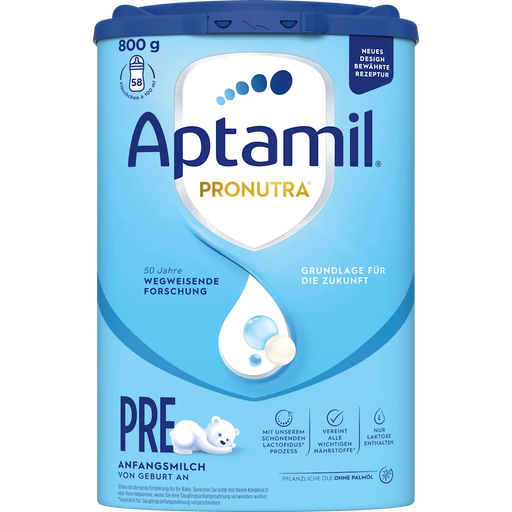
Why this product is a great fit: Ideal for newborns as a sole source of nutrition or for combination feeding. Since it only contains lactose as a carbohydrate, just like breast milk, it can be fed according to the baby's needs without risk of overfeeding.
This product avoids the mistake of unnecessarily introducing starch into a newborn's diet. It is the correct stage (PRE) for starting from birth.
Contains a GOS/FOS fibre blend and LCPs (DHA & ARA). According to the manufacturer, the formulation is based on years of research.
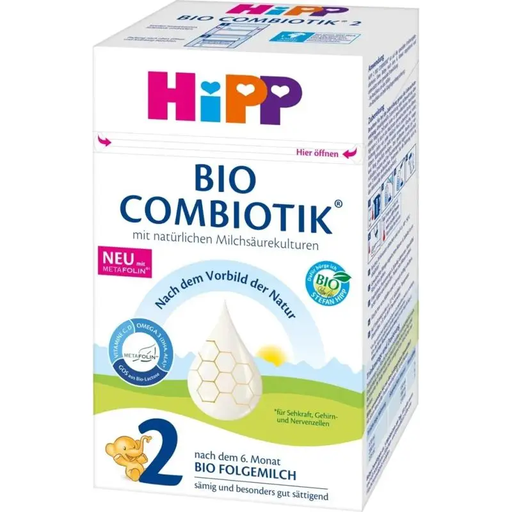
Why this product is a great fit: This follow-on milk is designed for babies from the 7th month and complements solid meals. The organic starch it contains ensures good satiety, which can be beneficial during this active developmental phase.
This product deliberately uses the correct stage (Follow-on Milk 2) for the appropriate age. The starch here is not a hidden filler but a functional ingredient for satiety during the weaning stage.
Combines organic quality with natural lactic acid cultures (L. fermentum) and GOS fibres. Contains Metafolin, a folate source inspired by nature.
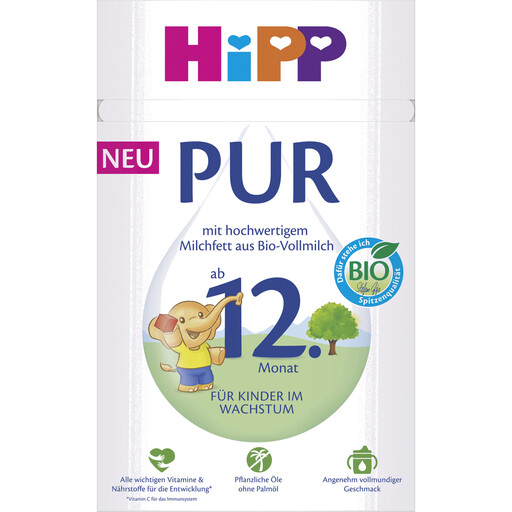
Why this product is a great fit: This toddler milk is specifically tailored to the nutritional needs of children from 12 months. It serves as a supplement to a varied family diet and provides important building blocks for growth.
Prevents the mistake of continuing to give calorie-dense follow-on milk when the child is already eating at the family table. It is a specific product for the toddler phase.
Offers an age-appropriate composition with essential nutrients like iron, calcium, iodine, and vitamin D in organic quality.
If you want to compare more products that meet these criteria, you can find a comprehensive selection here.
1. How long can I feed my baby PRE formula? PRE formula can be used as the milk component of your baby's diet throughout the entire first year of life, even after introducing solid foods. A switch to a different stage is not mandatory as long as your baby is full and content with it.
2. How do I know if my baby needs a different stage of formula? Signs can include your baby seeming dissatisfied after feeds or being hungry much more frequently than usual. A switch, for example from PRE to Stage 1 formula, should be done gradually. It is advisable to discuss this with your midwife or paediatrician beforehand.
3. Is organic baby formula a better choice? All infant formulas available in the UK and EU are subject to strict legal controls and ensure safe nutrition. Organic baby formula offers the additional assurance that the agricultural ingredients were produced without the use of synthetic pesticides and fertilisers. The choice is ultimately a matter of personal preference.