
Lieferung heute & morgen

Qualitätsgarantie

Willkommens-Angebote freischalten: KOSTENLOSE Lieferung | Bis zu 80 % RABATT | Kostenlose 30-Tage-JoyPlus-Testphase
App herunterladen
Putting together your baby's first essentials can be as exciting as it is overwhelming. The market is flooded with products, all promising to make daily life with a child easier, safer, and more beautiful. But not every investment pays off. Many well-intentioned purchases turn out to be impractical or are barely used. This guide will help you identify common purchasing pitfalls and make choices based on functionality, safety, and durability.
Before we look at recommended products, it's important to understand the most common mistakes that often lead to unnecessary expenses.
To avoid these traps, you should pay attention to a few fundamental parameters when choosing your baby gear. These criteria will help you separate the wheat from the chaff.
The BPA-free label has become a standard, especially for products that come into contact with food. When it comes to silicone baby tableware or a leak-proof sippy cup, pay close attention to the quality of the material. High-quality, food-grade silicone (e.g., platinum silicone) is not only free of harmful substances but also odourless, tasteless, heat-resistant, and extremely durable. It can be easily cleaned in the dishwasher without losing its shape or function.
A product is only as good as the real support it provides in daily life.
Instead of making a blanket recommendation, we have selected products tailored to specific parent profiles and their daily routines.
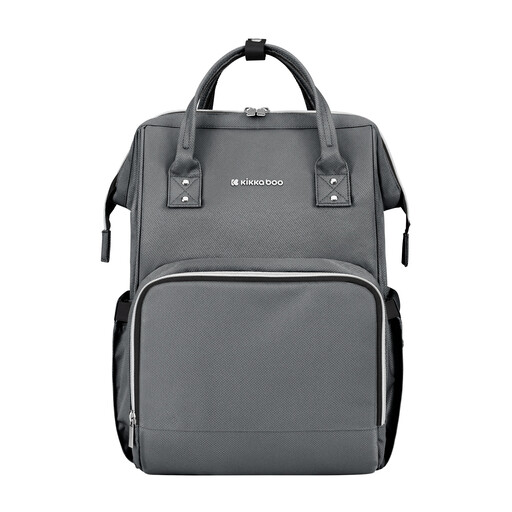
Why it's a match: Ideal for parents seeking a solution that doesn't look like a traditional diaper bag but offers full functionality. The handbag and backpack combination flexibly adapts to any situation, from a city stroll to a day trip.
This model bypasses the "design-over-function" trap. It combines an elegant exterior with a thoughtful interior layout, including insulated bottle pockets, a water-resistant compartment, and stroller clips.
The 2-in-1 carry option as a backpack or handbag offers maximum flexibility. The wide metal frame of the main opening ensures quick and easy access to all contents.
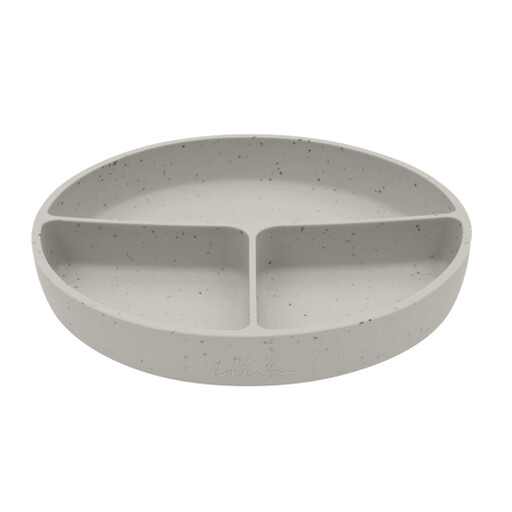
Why it's a match: Perfect for the phase when children are learning to eat independently. The plate promotes autonomy while minimising mess at the dinner table, making daily life noticeably more relaxed for parents.
This product avoids the material trap. It is made of 100% food-grade platinum silicone, is BPA-free, robust, and temperature-resistant. It's a durable alternative to cheap plastic tableware.
The strong suction cup on the base prevents the plate from being tipped over or thrown. The three compartments allow for neat separation of foods and make portioning easier.
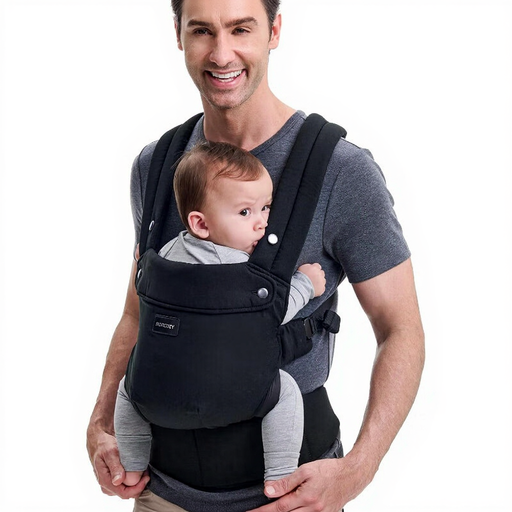
Why it's a match: For parents who love to carry their baby close while prioritising correct posture for both themselves and their child. The carrier is designed for daily use and supports an active lifestyle.
This carrier addresses the problem of poor ergonomics. It promotes the "M-position" for the baby's healthy hip development and includes lumbar support to prevent back pain for the parent.
The cross-strap design distributes weight evenly across the shoulders and back. The pure cotton material is soft and breathable, enhancing comfort for both child and parent.
We have compiled a complete, up-to-date list of products that fully meet these strict selection criteria and rigorous safety standards.
1. What truly belongs in a newborn's first set of essentials? A basic set of newborn essentials focuses on sleeping (bedside sleeper, sleeping bags), changing (changing table, diapers, wet wipes), clothing (bodysuits, sleepsuits), feeding (bottles or breastfeeding accessories), and transport (infant car seat, stroller, or ergonomic baby carrier). Many other products like play gyms, bouncers, or special toddler gifts are useful but not essential from the very beginning.
2. What is the most effective way to clean silicone baby tableware?Silicone baby tableware is generally dishwasher-safe. For stubborn odours or stains (e.g., from carrot purée), it can help to rub the tableware with a paste of baking soda and water and let it sit, or to boil it in water for a few minutes. Avoid harsh cleaning agents that could damage the material.
3. From what age is a kid's camera a good idea? A durable kid's camera can be a creative and fun toy for children from around three to four years old. At this age, they are developing the motor skills to hold the camera and press the shutter button. Look for a drop-proof case, simple controls, and safety features like rounded edges and non-toxic materials.