
Lieferung heute & morgen

Qualitätsgarantie

Willkommens-Angebote freischalten: KOSTENLOSE Lieferung | Bis zu 80 % RABATT | Kostenlose 30-Tage-JoyPlus-Testphase
App herunterladen
For many families, a baby highchair becomes part of the daily dining area from around six months. However, design alone does not determine whether a model is practical. Seating position, harness, cleaning, folded dimensions and weight limit all affect how long the highchair remains genuinely useful.
Three common buying misconceptions frequently lead to unnecessary spending:
A highchair with a 5-point harness provides several securing points around the shoulders, hips and between the legs. It is essential that the harness is adjusted correctly and used every time. A baby highchair should never be considered a place for a child to sit unattended.
Also look for:
A highchair up to 15 kg is designed for children from six months to around three years with many classic models. However, the actual end of the useful life depends on the child’s weight, sitting posture and the manufacturer’s specifications. The maximum load must not be exceeded.
A height-adjustable highchair can be adapted to different table heights. This is useful if your child is to sit both at the dining table and at a lower table. Several height settings can also make storage easier.
An adjustable backrest can change the seating position. During meals, however, the child must be positioned safely and upright in accordance with the instructions for use. A suitable footrest is also important: it can support the legs and should ideally be suitable for the child’s height.
Before buying, check:
During meals, liquids and food can quickly reach the seat, tray and frame. A low-maintenance baby highchair should therefore have as few hard-to-reach gaps as possible. Removable covers, washable fabrics and a wipe-clean tray reduce the daily effort.
For smaller homes, a space-saving highchair or a folding highchair may be a sensible choice. Check whether the model stands securely when folded or needs to be stored flat. Wheels make it easier to move the highchair, but they do not replace activated brakes.
A growing highchair can remain usable beyond the classic highchair stage. You should consider the individual age and weight limits for each configuration separately. The term ‘growing’ alone does not indicate how easy the conversion will be in everyday use.

Why this product suits the profile: This model combines classic features with foldable storage, making it suitable for families looking for an uncomplicated highchair from 6 months.
The features are clearly specified: a 5-point harness, wipe-clean surfaces, a washable cover and a folding function, rather than vague claims about comfort.
For children from 6 months up to 15 kg; height-adjustable XL tray, 5-point harness, folding frame and storage basket.
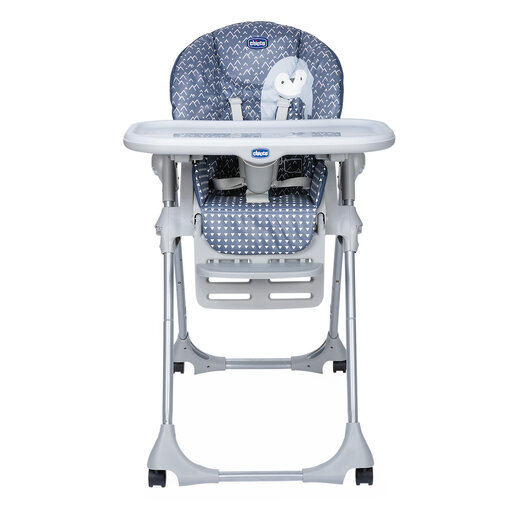
Why this product suits the profile: If you want to regularly adjust the seat height, backrest and footrest, this model offers several clearly specified adjustment options.
Rather than making a general claim about adjustability, the product description specifies seven seat heights, three backrest positions and three footrest positions.
Suitable from 6 months up to 15 kg, four wheels, two of which have brakes, 5-point harness and machine-washable cover at 30 °C.
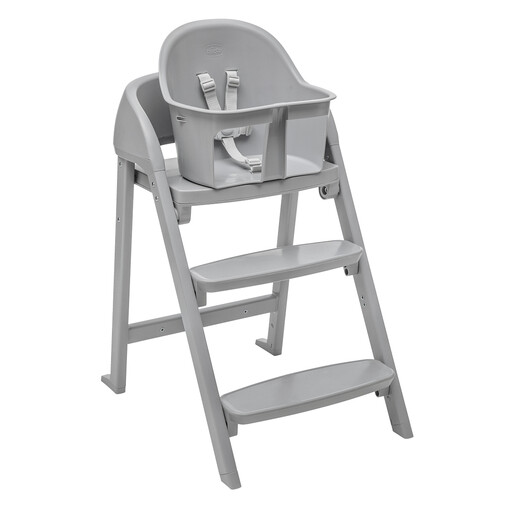
Why this product suits the profile: This model is aimed at families looking for a 3-in-1 highchair with a long intended useful life and compact storage.
The three ways of using the product and the respective limits are listed separately. This makes it easier to assess the actual useful life.
Highchair from 6 to 36 months, child’s chair up to 40 kg and adult chair up to 110 kg; folds compactly and has a two-way adjustable footrest.
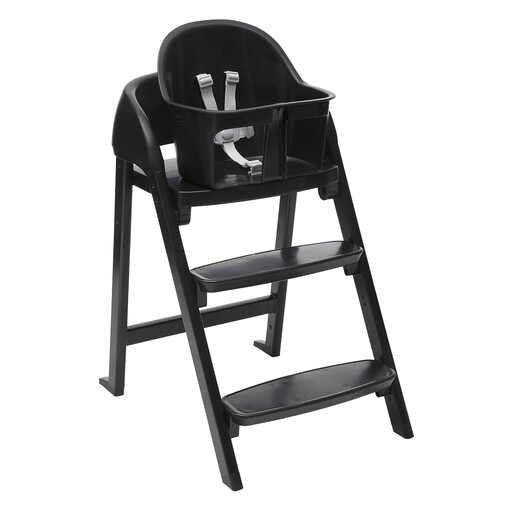
Why this product suits the profile: This version is a good choice for households where a versatile seat is to remain in use beyond the baby stage and be stored compactly when needed.
The specifications distinguish between highchair, child’s chair and adult chair modes. Assembly, locking and weight limits are also described explicitly.
Three configurations, compact folding function, steel/aluminium frame and a stated load capacity of up to 110 kg in adult chair mode.
We have put together a complete, regularly updated list of products that fully meet these strict selection criteria and the safety regulations applicable in the EU.
Do not compare the models solely by colour or current price. These points will help you choose:
Many models are intended for use from around six months, according to the manufacturer. However, age alone is not enough to make a decision. The child should be able to sit safely in accordance with the instructions for use. The age approval, weight limit and the child’s individual development are always decisive.
A classic highchair up to 15 kg is often designed for use up to around three years. With a growing highchair, use can be extended across several configurations. Check each stage individually, as different limits may apply in highchair, child’s chair and adult chair modes.
Apart from the purchase price, ongoing costs are usually low. The main considerations are washable covers, spare parts and, where necessary, cleaning products. A removable tray and easy-care surfaces can reduce the time involved. Before ordering, it is therefore worth checking the care instructions, what is included and the available product information.