
Lieferung heute & morgen

Qualitätsgarantie

Willkommens-Angebote freischalten: KOSTENLOSE Lieferung | Bis zu 80 % RABATT | Kostenlose 30-Tage-JoyPlus-Testphase
App herunterladen
Baby and children’s toys should suit your child’s age, day-to-day routine and abilities. Between product claims like “educational”, “sensory” or “ergonomic”, there are often details that are easy to miss at the checkout. If you’re choosing baby and children’s toys for your own child or as a gift, don’t base your decision solely on colours, familiar characters or how many features a toy offers.
Lights, music, moving parts and multiple play modes can look versatile at first glance. For a baby just a few months old, too many stimuli can be overwhelming. Conversely, a simple wooden puzzle may not yet be suitable for a younger baby if the pieces need to be grasped, fitted or held securely.
The crucial indicator is the age recommendation on the packaging. It doesn’t just suggest when to play; it can also flag small parts that could be swallowed, motor skill requirements or the need for supervision.
Labels such as “BPA-free”, “natural” or “non-toxic” each refer only to specific material or product properties. They don’t replace checking warning labels, workmanship, battery covers and small parts. With electronic toys, parents should also check whether batteries are included and whether the battery compartment is screwed shut or otherwise secured.
The CE marking is a manufacturer’s declaration that certain EU requirements are met; it isn’t an independent quality seal. For toys, the relevant standard, such as EN 71, plus full manufacturer and importer details also matter.
With a baby carrier it’s not just about the fabric. Just as important are the weight range, adjustability, seat position, head support, fastenings and whether the child can already hold their head up unaided. For soft toys and dolls, seams, eyes, accessories and care instructions must be appropriate for the age group.
Compare the information on the product with your child’s actual age and weight. A learning toy from 6 months isn’t automatically suitable for every six‑month‑old. With an ergonomic baby carrier, never go below the minimum weight limit. Read the carrying instructions in full before first use.
Look out for:
A soft toy can be suitable for a baby if it’s labelled accordingly. A plush toy with small plastic parts or removable accessories, however, shouldn’t go to children under three if the manufacturer warns of a choking hazard.
Educational toys don’t have to be complicated. A wooden puzzle with a few large knobs can be more suitable for a one‑year‑old than a product packed with electronics. With musical toys, volume control, an on/off switch and indoor use are especially important. For creative products, age rating, supervision and component size are key.
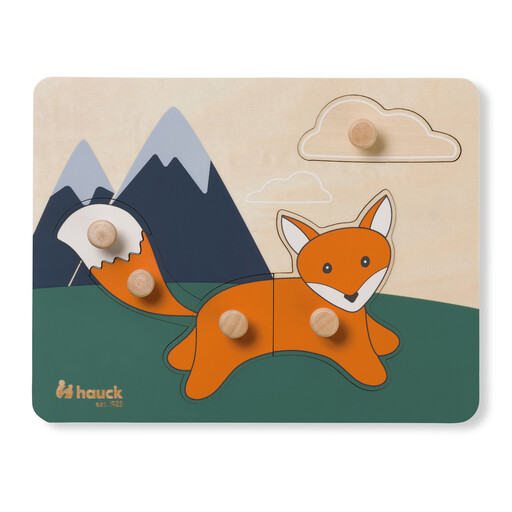
Why this product fits the profile: This wooden puzzle for ages 1+ focuses on a simple, manageable task and needs no batteries. Ideal for families who want a compact toy for quiet play.
The clear 12‑month age mark, wooden knobs and rounded design make it an easier, more transparent choice than a product with vague age guidance.
FSC‑certified wood according to the product description; measures 22 × 17 × 2 cm and weighs 170 g.
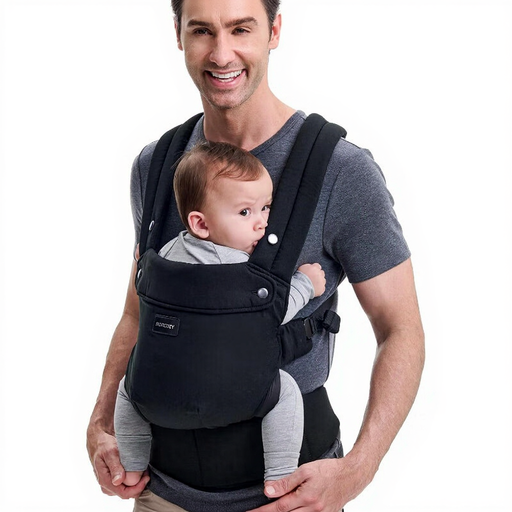
Why this product fits the profile: Designed for parents who want to carry their baby hands‑free day to day and value a defined weight range plus adjustable straps.
The product details state a range of about 3.18 to 19.96 kg, plus guidance on keeping airways visible, secured fastenings and the M‑position.
100% cotton per the description, machine‑washable, X‑shaped straps and EVA waist support.
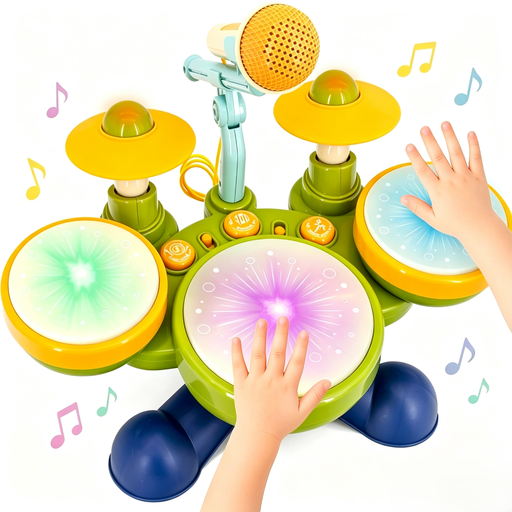
Why this product fits the profile: This children’s drum toy is made for active music‑making and suits households where noise levels and storage space both need consideration.
A volume control and removable stand address two everyday realities: noise levels and limited space in the kids’ room.
Three illuminated drum pads, two cymbals, a microphone and, according to the product description, adjustable volume; batteries are not included.
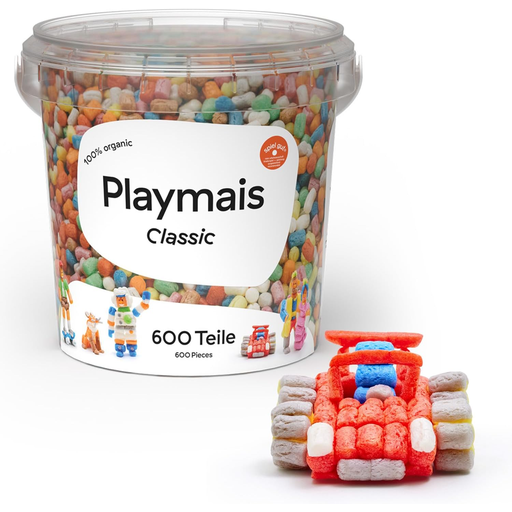
Why this product fits the profile: This craft set for children aged 3+ makes a great gift when you want creative play with a modest amount of kit and no extra glue.
The clear 3+ age limit signals small parts. Water is enough to join pieces; contents are not edible and require supervision.
600 pieces, sponge, craft knife and instructions; according to the product details, made from maize flour, water and food colourings.
We’ve compiled a complete, continuously updated list of products that fully meet these strict selection criteria and comply with EU safety regulations.
Before you order baby and children’s toys, these questions help:
Depending on development, babies from 6 months benefit from products that are easy to grip, robust and easy to clean. Sensory baby toys, a simple musical baby toy or a movable tummy‑time toy can offer varied stimuli. Age guidance, small‑part safety and supervision remain essential.
Lifespan depends on materials, use and care. Wooden toys with smooth surfaces can last well if handled properly. Electronic products need working batteries and should be checked regularly for damaged cables, casings or battery compartments. Soft toys and dolls should be inspected for seam strength and accessories.
Beyond the purchase price, you may need batteries. Check whether batteries are included, which type is required and whether the toy has an on/off switch or volume control. For frequent use, a product with efficient auto‑shutoff or rechargeable batteries can be more practical day to day.