
Lieferung heute & morgen

Qualitätsgarantie

Willkommens-Angebote freischalten: KOSTENLOSE Lieferung | Bis zu 80 % RABATT | Kostenlose 30-Tage-JoyPlus-Testphase
App herunterladen
Children’s toys should be fun, support their development and be practical for everyday family life. But choosing a toy involves more than colours, brands or promises about what it can do. Important factors include the age label, build quality, ease of cleaning and the space you actually have available.
When looking at toys for children, three common pitfalls can lead to the wrong purchase:
A considered shortlist can help you distinguish relevant product features from marketing claims.
The age label is an important guide, but it doesn’t replace the judgement of the person caring for the child. Small parts can pose a choking risk for children under three. Even when choosing suitable motor skills toys, parents should check that their child can grip, move and use the product safely.
With electronic toys, it’s also worth checking the battery compartment, volume and how the toy is operated. Batteries should be fitted securely and kept out of children’s reach. Products with moving parts or mechanical springs should be checked before each use.
When buying toys in the EU, look for clear, verifiable safety information. Standards EN 71-1, EN 71-2 and EN 71-3 cover, among other things, mechanical and physical properties, flammability and the migration of certain elements. A relevant declaration is an important point to check, but it doesn’t replace inspecting the specific product.
According to the product information, several of the foam play sets listed here meet the specified EN 71 requirements as well as Toy Safety Directive 2009/48/EC. For other items, refer to the relevant warnings and manufacturer’s information. Always check for sharp edges, loose stitching, detachable small parts and damaged surfaces.
Indoor toys such as climbing equipment need plenty of clear space. Before buying, consider the footprint, fall zone and stability of the surface. A product used every day should be as easy to clean as possible.
Removable, machine-washable covers are useful for soft play sets, soft toys and baby toys. For plush toys, check whether they can only be hand-washed or cleaned with a damp cloth. Nurseries and educational settings also need durable materials, straightforward storage and clear age guidance.
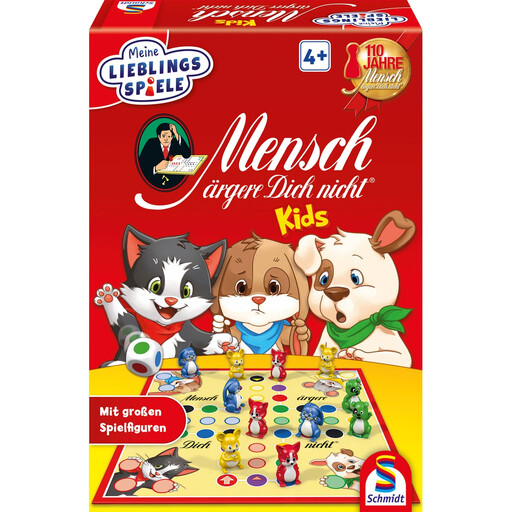
Why this product suits this profile: This colour-dice game is designed for children aged four and over, and needs neither batteries nor a large playing area. It’s suitable for two to four players.
The simplified rules mean there’s no counting involved. This keeps the purpose of the game clear, rather than letting extra electronics get in the way.
Colour dice, two to four players and a stated recommended age of four and over.
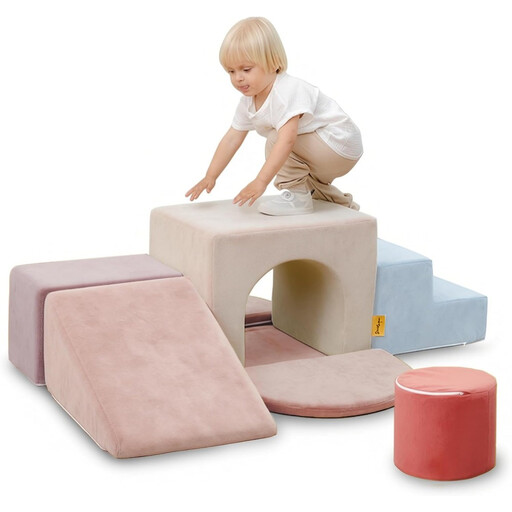
Why this product suits this profile: These foam pieces are designed for climbing, crawling, building and sliding indoors. They can be combined in different play configurations.
According to the product information, the covers are removable and machine-washable. A non-slip base and hook-and-loop fastenings are also listed.
Seven foam blocks, concealed zips and EN 71 compliance according to the product information.
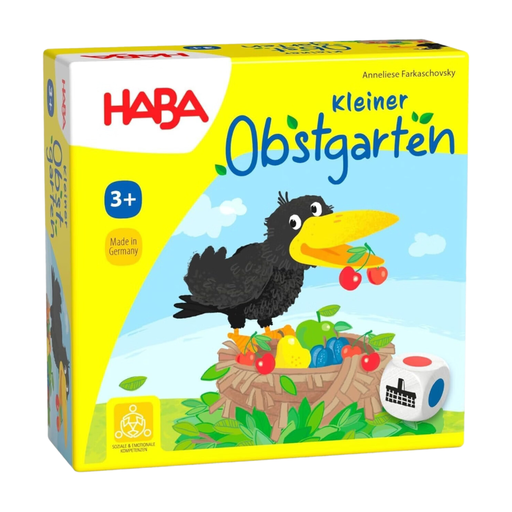
Why this product suits this profile: This cooperative dice game is designed for one to four children aged three and over. With a playing time of around five to ten minutes, it’s ideal for a quick game.
The short playing time and simple task structure make it easy to get started. However, the small parts mean you should still follow the age guidance.
A cooperative way to play, wooden and cardboard components, and a stated player count of one to four.
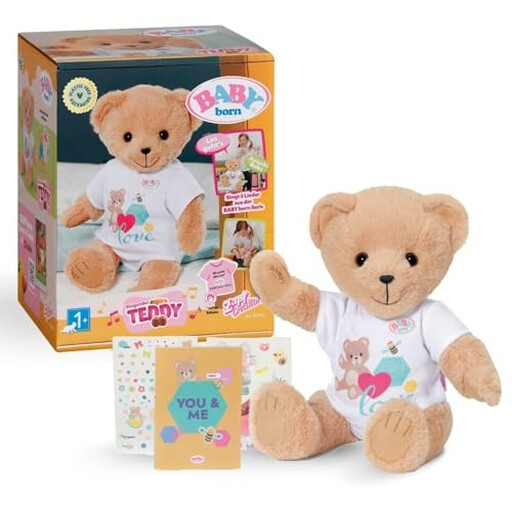
Why this product suits this profile: This plush bear combines a cuddly soft toy with music and imaginative play. According to the product information, it’s designed for children aged 18 months and over and has movable limbs.
The sound module can be removed before washing. Batteries are required but aren’t included, so be sure to follow the age guidance.
Five songs to play, movable arms and legs, and a removable sound module.
We’ve put together a complete, regularly updated list of products that meet these strict selection criteria and fully comply with the safety regulations in force in the EU.
For educational toys, Montessori toys and motor skills toys, the learning objective should suit the child’s age. A shape-sorting toy encourages different actions from a climbing set. When choosing board games for children, the number of players, complexity of the rules and playing time are all important. Active toys need plenty of space and a safe, non-slip area.
Before you buy, run through this quick checklist:
For babies aged around six months and over, age-appropriate grasping, rattling and sensory toys may be suitable. Look for securely attached parts, rounded shapes and surfaces that are easy to clean. Always use products in line with the relevant manufacturer’s instructions.
How long they last depends on how they’re used, stored and cleaned, as well as the quality of the materials and construction. Removable, washable covers make them easier to care for. With foam climbing equipment, check the joins, seams and stability regularly.
You may need to buy replacement batteries in addition to the initial purchase price. If an electronic toy will be used frequently, check whether batteries are included, what type it takes and whether the sound module or electronics can be switched off. Mechanical alternatives such as dice games or wind-up toys don’t need batteries.