
Lieferung heute & morgen

Qualitätsgarantie

Willkommens-Angebote freischalten: KOSTENLOSE Lieferung | Bis zu 80 % RABATT | Kostenlose 30-Tage-JoyPlus-Testphase
App herunterladen
Baby learning toys should spark curiosity, encourage movement and genuinely get used in everyday life. However, many products are marketed with terms such as “Montessori”, “early development” or “multi-sensory” without clearly stating the factors that really matter when buying. Parents and relatives in the UK should therefore take a close look at the recommended age, materials, volume, stability and cleaning requirements.
A cube with music, lights, buttons, gears and a telephone function sounds versatile. However, what matters is whether a child can reach the controls independently and whether the features are suitable for their stage of development. Toys that are too complex can be overwhelming, while a simple sensory toy can keep both baby and parents engaged for longer.
The term Montessori does not automatically describe a recognised educational concept or guarantee a particular material quality. Instead, check exactly what actions are possible: grasping, turning, pressing, sorting, pulling or imitating. A baby activity cube with clear, easy-to-understand functions says more than a simple label in the product description.
The CE mark is a manufacturer's declaration of conformity, not an independent test seal. You should also look for clear age labelling, warnings, a secure battery compartment and the manufacturer's information. With electronic toys, consider the volume control, automatic shut-off and safe battery handling.
A toy for babies aged 6 months and over should be reachable from a tummy-time or seated position and must not contain small detachable parts. For children aged between 1 and 3, baby activity toys, activity cubes or a low baby activity table are often suitable. Pay attention to the product's actual size: a compact model with a carry handle can be practical for travelling, but at home it may require less room than an activity table.
The recommended age is not a prediction of a child's development. A child should only use the toy if they can safely carry out the intended actions. If the information is inconsistent – for example, “6 to 36 months” in the description and “6 to 18 months” in the product title – the age label on the packaging should take precedence.
With plastic toys, rounded edges, a smooth surface and sturdy construction are important features. Claims such as ABS or BPA-free should be clearly supported in the product description or on the packaging. “BPA-free” refers to bisphenol A and does not replace a complete safety assessment.
Before every use, check for cracks, loose parts or damaged stitching. Electronic products can generally only be cleaned with a damp cloth and must not be immersed in water. This is particularly important when a musical baby toy is often left on the floor.
With interactive learning toys, the volume, sound duration and ease of use should suit your home environment. A volume control or quiet mode makes the toy easier to use in a flat or during shared mealtimes. If batteries are not included, you will need to plan for the appropriate battery types separately. Battery compartments should only be handled by adults, and batteries should be kept out of children's reach.
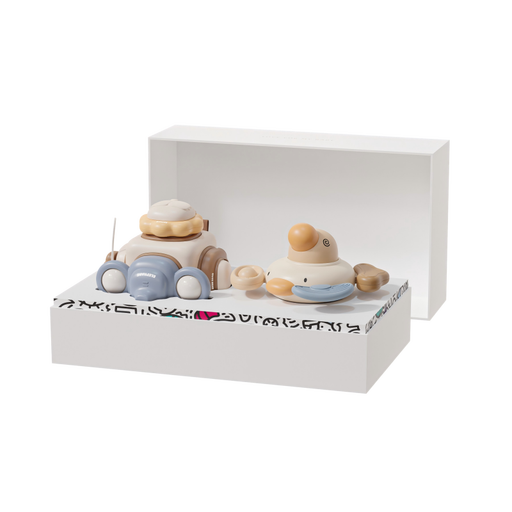
Why this product suits this profile: According to the product information, this compact toy is suitable for babies aged 6 months and over. It can be used for everyday play, while travelling or as a small baby gift for a birthday or Christmas.
The six named actions, including pressing, turning, pulling and sliding, are more specific and easier to assess than general claims about developmental benefits.
Compact dimensions, six interactive animal functions and gift packaging according to the product description.
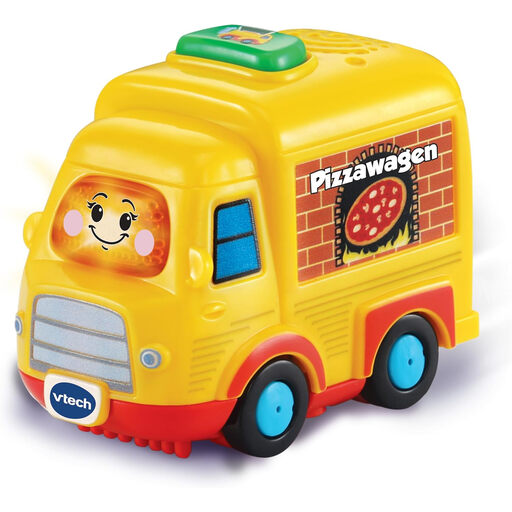
Why this product suits this profile: According to the product information, it is suitable for children aged 1 to 5 years. It features automatic shut-off, a child-safe battery compartment and compatibility with the Tut-Tut Baby Flitzer play world.
The product information specifies melodies, control buttons and safety features rather than relying solely on general learning claims.
Three sing-along songs, six melodies and an expandable play system according to the manufacturer's information.
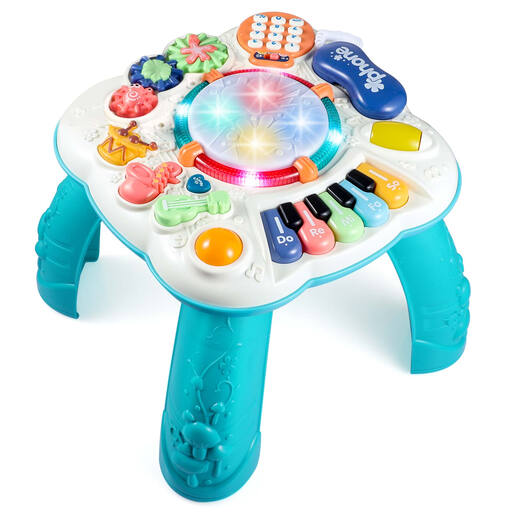
Why this product suits this profile: According to the description, the baby activity table can initially be used as a floor play board and later with its legs attached. This makes it suitable for households wanting to use one toy in several playing positions.
The adjustable design and volume control address two common problems: a short useful life and persistently high noise levels.
Six play areas, detachable legs and a volume control according to the product description; batteries are not included.
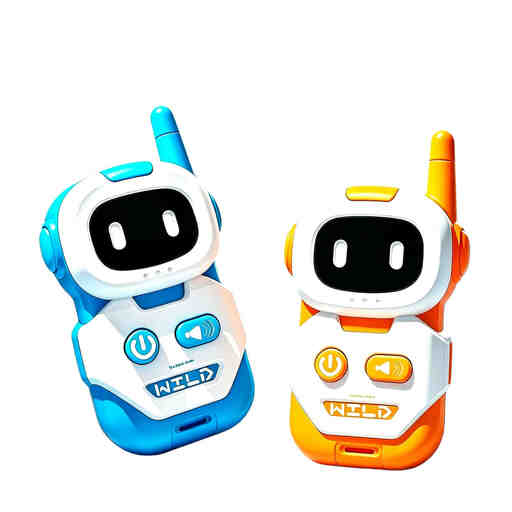
Why this product suits this profile: According to the product information, this 4-in-1 play centre combines drum surfaces, lights, animal sounds and shape-and-colour matching, making it suitable for ages 6 to 36 months.
The features are listed individually in the description. Before buying, you should still check the specific age recommendation on the packaging and the batteries required.
Shape- and colour-matching buttons, drum surfaces, lights and animal sounds according to the product information; batteries are not included.
We have put together a complete, regularly updated list of products that fully meet these strict selection criteria and the safety regulations applicable in the EU.
It depends on the function. Grasping toys and simple sensory elements can be interesting during the first year of life. Toys with sorting shapes, several buttons or more complex role-play features are often aimed at older babies and toddlers. The recommended age, warnings and the child's ability to use the product without dangerous misuse are the key considerations.
The useful life depends on the materials, build quality, intensity of play and care. Electronic models can remain interesting for longer if they offer several ways to play or adjustable positions. Check the battery compartment, cables, casing and moving parts regularly. Damaged toys should not be passed on or used.
There is no single answer. Melodies, light functions and movement generally increase energy consumption. Check the information about the battery type, automatic shut-off and volume control. With frequent use, rechargeable batteries may be more economical, provided they are suitable for the battery compartment in question.