
Lieferung heute & morgen

Qualitätsgarantie

Willkommens-Angebote freischalten: KOSTENLOSE Lieferung | Bis zu 80 % RABATT | Kostenlose 30-Tage-JoyPlus-Testphase
App herunterladen
Baby learning toys should keep little ones entertained, encourage grasping, and help them experience basic cause and effect. At the same time, the choice can be overwhelming: many products boast music, lights, Montessori concepts, or an abundance of features. For parents, grandparents, and relatives, what really matters is whether the toy suits the child’s developmental stage, your home environment, and how you plan to use it.
An interactive baby toy with numerous buttons, melodies, and light effects can look versatile at first glance. However, for younger babies, too many stimuli can be confusing. What works better is a clear connection between action and reaction: the child presses, shakes, or moves something and immediately experiences a sound, movement, or light signal.
“For babies” is not enough information. A grasping toy for babies from 3 months has different requirements than a baby toy from 6 months or a walker toy for children who are already standing. So always check the specific age rating, safety warnings, and any small parts. A toy intended for children from 1 year is not automatically suitable for a six-month-old baby.
Musical baby toys and toys with lights and sound need batteries. Pay attention to the battery type, volume control, and automatic shut-off. For products you take on the go, it is also important how they can be cleaned and whether they can be safely attached to a pushchair or car seat. A large baby activity centre can offer plenty of play opportunities, but it needs enough floor space and should only be used on a suitable, level surface.
For newborns, lightweight, easy-to-grasp shapes, high-contrast elements, and different textures are ideal. A sensory toy like a soft hanging toy or a baby rattle can encourage looking, feeling, and shaking. From around 6 months, cause-and-effect games, rolling objects, and simple sorting tasks become more interesting.
With baby motor skills toys, you should distinguish between:
Labels like “Montessori baby toy” are not a standard quality mark. What really counts are the materials, functions, and safety instructions actually described.
Check that surfaces are smooth and edges are rounded. For plastic products, details like BPA-free and CE marking may be mentioned in the product description. The CE marking indicates the manufacturer’s declaration of compliance with applicable EU requirements, but it does not replace checking the toy before each use.
Also look out for:
For toys that go in the mouth, the care instructions are especially important. Some products may only be cleaned with a damp cloth and are not suitable for the dishwasher or sterilisation.
With musical baby toys, a volume control is handy, especially in small rooms or when you are out and about. Check whether batteries are included or need to be bought separately. Moving toys should only be used where there are no stairs, cables, thresholds, or sloping surfaces nearby.
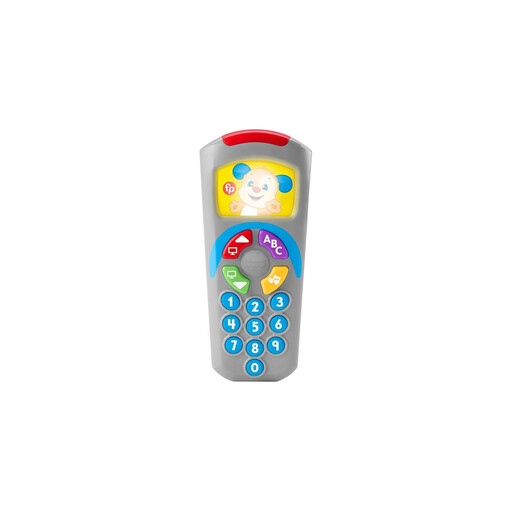
Why this product fits the profile: According to the product description, this electronic learning toy is designed for babies and toddlers from 6 months to 3 years, offering a simple introduction to button, music, and light functions.
The product details mention over 35 songs, sounds, and phrases, plus a volume control. This means the audio functions can be adjusted to suit the environment.
2 AAA batteries are reportedly included. Buttons trigger light and sound reactions, making the cause-and-effect principle easy to understand.
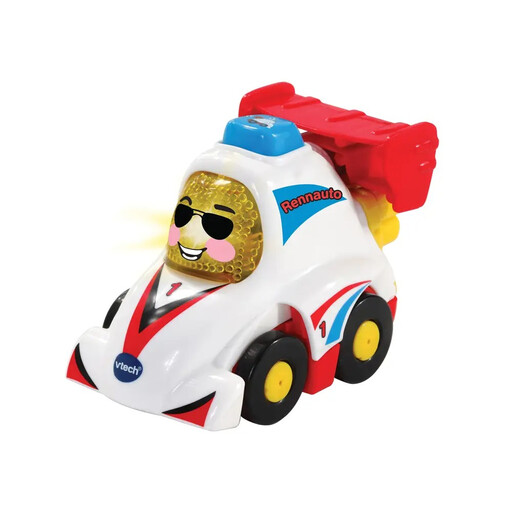
Why this product fits the profile: According to the product details, the Baby Racer is designed for children from 1 year and combines rolling, buttons, melodies, and compatibility with Tut Tut Baby Flitzer play sets.
The age limit is clearly stated. This helps you avoid buying a vehicle toy too early.
According to the data sheet, the model weighs 159 g, requires 2 AAA batteries, and features 3 songs and 6 melodies.
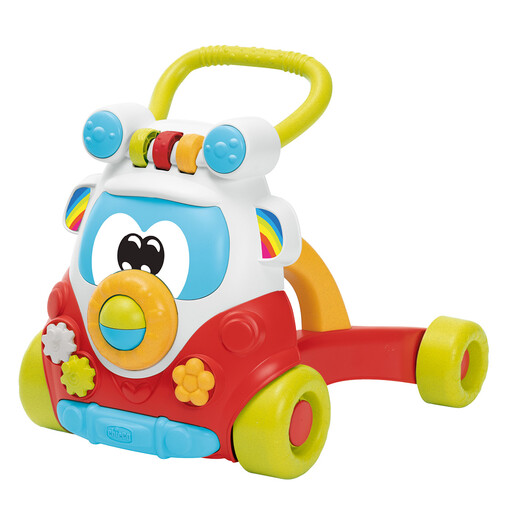
Why this product fits the profile: This 2-in-1 model combines a walker toy with manual play elements for children from 9 to 24 months.
It has no electronic sound or light effects. Play focuses on pushing, turning, rolling, and sorting.
Four large wheels, five manual activities, and a construction made from polypropylene and ABS are mentioned in the product data.
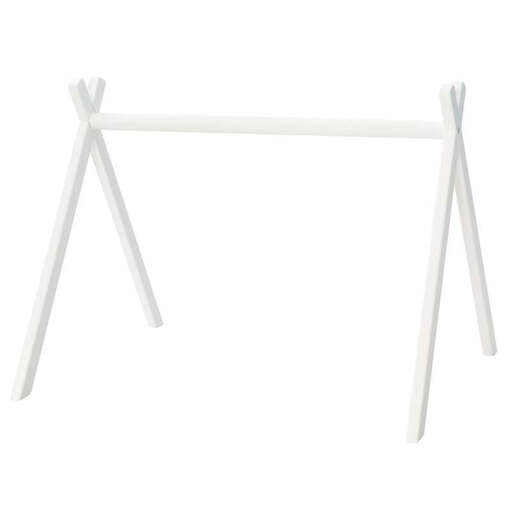
Why this product fits the profile: This play arch construction made from lacquered wood is ideal for families looking for a mechanical baby motor skills toy without batteries.
There are no ongoing battery costs. Play involves grasping, feeling, and observing the attached play elements.
The stated dimensions are 52 × 70 × 50.5 cm. According to the product description, the surfaces are wipe-clean.
We have put together a complete, regularly updated list of products that fully meet these strict selection criteria and the safety regulations in force in the EU.
That depends on the individual product. Grasping toys and simple rattles are often offered from the first few months. Electronic learning toys, sorting games, and vehicles usually have a higher age recommendation. Always follow the manufacturer’s instructions and consider the child’s abilities.
There is no fixed time that suits every child. Watch to see if the baby remains attentive and relaxed. If there are clear signs of overstimulation, a break should follow. A volume control and the option to switch off light or sound functions make it easier to adapt.
Products whose age rating matches the child’s developmental stage and that are easy to clean make good gifts for babies. For younger babies, grasping toys, rattles, or a play arch are good options. From 6 months, interactive features, rolling toys, and simple sorting tasks can become interesting. Also check batteries, dimensions, and safety instructions before you buy.