
Lieferung heute & morgen

Qualitätsgarantie

Willkommens-Angebote freischalten: KOSTENLOSE Lieferung | Bis zu 80 % RABATT | Kostenlose 30-Tage-JoyPlus-Testphase
App herunterladen
Choosing baby milk and infant formula may initially seem straightforward: first infant milk from birth, infant formula 1, follow-on milk and growing-up milk are clearly stated on the packaging. However, similar product names, prominent marketing claims and different recipes often lead to unsuitable purchases.
Three common pitfalls are particularly important:
The product description on the packaging is the first objective point of reference. It indicates the age and feeding stage for which the product is intended.
Pre formula is suitable from birth and, depending on the individual situation, can be used as a baby’s sole bottle feed or alongside breastfeeding. In many products, lactose is the only source of carbohydrate. Examples include Bebivita PRE, HiPP PRE BIO Combiotik and HiPP Pre PUR.
The feeding quantity stated on the packaging is a guideline. Actual requirements may vary. Parents should not independently increase the dosage or add extra ingredients to the formula.
Infant formula 1 is also available for babies from birth. Unlike PRE products, it may contain starch depending on the recipe, giving it a creamier consistency. One example is HiPP Combiotik Infant Formula 1. Milupa Milumil 1 also contains additional ingredients alongside lactose, such as galacto- and fructo-oligosaccharides.
What matters is not just the brand name, but the specific ingredients list for the pack in question. Recipes may change.
Follow-on milk such as HiPP Pur 3 Organic Infant Follow-on Formula is intended for babies from 10 months. According to the product information, HiPP Combiotik 3 is aimed at toddlers from 12 months and therefore belongs to a stage when a varied diet has already been introduced.
Follow-on milk should not be used as a replacement for PRE milk during the first few months of life. Always observe the minimum age printed on the packaging.
Growing-up milk from 1 year is intended for toddlers from 12 months and can, for example, be offered in a cup at breakfast, with dinner or as a snack. Products differ in their energy content, protein quantity and added nutrients.
According to the product information, HiPP Pur Organic Children's Milk contains DHA, iron, calcium, iodine and vitamins, among other nutrients. HiPP Children's Milk Combiotik also contains natural lactic acid cultures and galacto-oligosaccharides. These details describe the composition and do not constitute a medical claim about effectiveness.
Check the following before buying:
A product labelled “3” or “growing-up milk” is not automatically suitable for a younger baby.
In lactose-based infant formula, lactose is a key ingredient. Some infant formula products also contain starch. According to the product description, Bebivita Pre HA uses hydrolysed milk protein; the product contains lactose as its carbohydrate source and no starch.
“Hydrolysed” does not mean that a product is suitable for a confirmed cow’s milk protein allergy. Bebivita expressly advises against using the product in cases of an existing or suspected cow’s milk protein allergy. Medical advice is required in such cases.
DHA omega-3 baby formula is widely available in the range. DHA is legally required in first infant formula. On the ingredients list, DHA may be listed as coming from fish oil, for example. Parents should therefore check the allergen labelling: milk, fish and soya are commonly listed.
For organic baby milk, the organic seal provides information about the certified agricultural origin of certain ingredients. However, it does not mean that every product is suitable for every nutritional need. Organic milk powder for babies must also be selected according to age, recipe and tolerance.
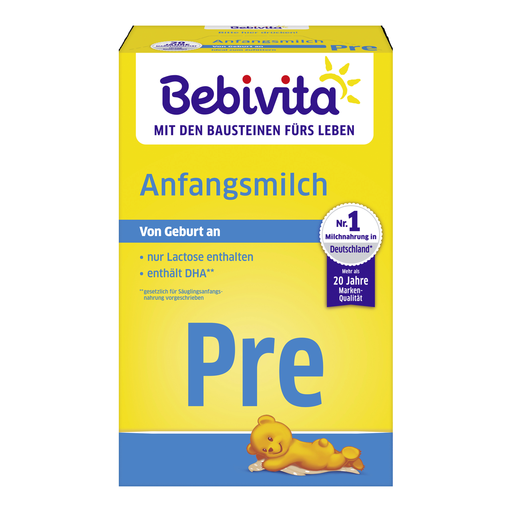
Why this product suits this profile: This PRE formula is intended from birth and, according to the product information, can be used as a baby’s sole bottle feed or alongside breastfeeding.
The clear “from birth” labelling reduces the risk of accidentally choosing unsuitable follow-on milk. According to the product information, lactose is the only source of carbohydrate.
500-g pack, DHA and detailed preparation instructions with measuring guidance.
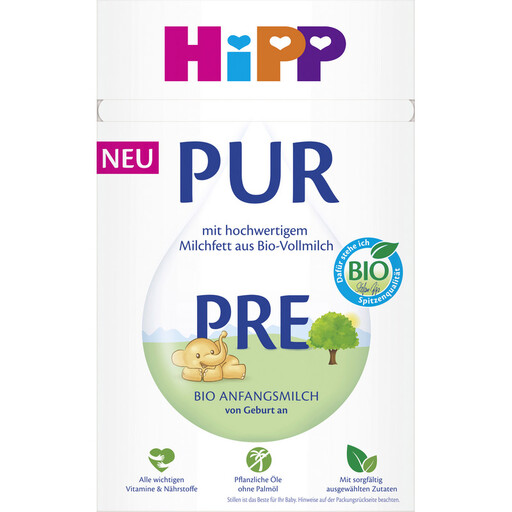
Why this product suits this profile: According to the product information, the recipe is based on ingredients from organic farming and contains natural milk fats from organic whole milk.
The product information specifies the age range, ingredients, allergens and storage period. This makes it easier to compare the choice with your own requirements.
Organic ingredients, DHA and ARA, plus a recipe without palm oil according to the product description.
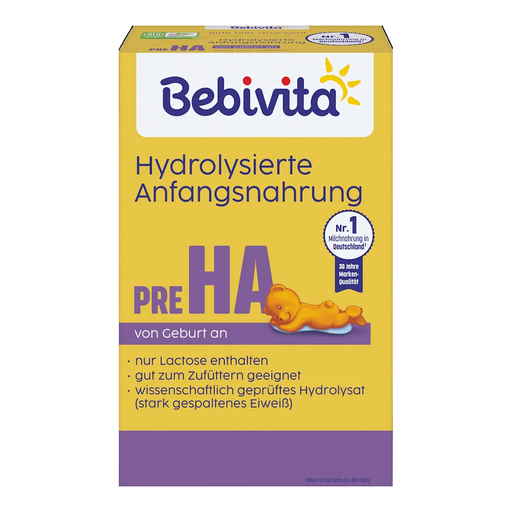
Why this product suits this profile: The HA version is aimed at parents looking for a formula containing hydrolysed milk protein and lactose as the only source of carbohydrate.
The warning regarding cow’s milk protein allergy is stated explicitly. This supports a cautious choice and helps prevent HA formula from being misunderstood as an allergy treatment.
Intended from birth, with no starch and containing DHA according to the product information.
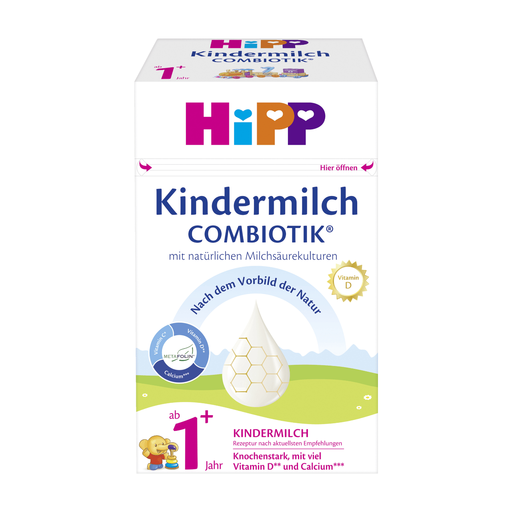
Why this product suits this profile: This growing-up milk is intended from 1 year and, according to the product information, can be offered in a cup with various meals.
The age limit prevents growing-up milk from being confused with first infant formula. The nutritional information allows you to compare it directly with your family’s needs.
600-g pack, calcium and vitamin D, plus DHA according to the product data.
When preparing milk powder for babies, it is essential to follow the manufacturer’s instructions precisely:
Leftovers should not be reused. Opened packs should be stored dry, sealed and at room temperature. Many of the products mentioned should be used within three weeks of opening. The specific information on the relevant packaging always takes precedence.
We have put together a complete, regularly updated list of products that fully meet these strict selection criteria and the safety regulations applicable in the EU.
PRE formula can generally be used from birth. How long it remains suitable in each individual case depends on the baby’s development, their other food and the advice of their paediatric practice or midwife. An automatic switch to infant formula 1 or follow-on milk is not necessarily required solely because of the baby’s age.
This depends on the product in question. The products mentioned here often state that they should be used within three weeks of opening. Always follow the best-before date and the storage and sealing instructions on the original packaging.
DHA is legally required in first infant formula and is often provided through fish oil. Parents should therefore check the allergen list. If there is a known or suspected allergy, digestive problems or uncertainty about the appropriate specialist formula, individual advice from a paediatric practice is recommended.