
Lieferung heute & morgen

Qualitätsgarantie

Willkommens-Angebote freischalten: KOSTENLOSE Lieferung | Bis zu 80 % RABATT | Kostenlose 30-Tage-JoyPlus-Testphase
App herunterladen
The range of baby milk formula is vast: starter milk Pre, follow-on milk 1, follow-on milk 2 or follow-on milk 3 all differ in age suitability, composition and preparation. Terms such as organic, DHA, HMO, GOS/FOS or palm-oil-free can help guide you, but they don't replace a thorough check of the full product information.
For parents in the UK, three common buying mistakes are particularly relevant:
For baby formula from birth, starter milk Pre or starter milk 1 are typically suitable. Pre formula contains only lactose as a carbohydrate source in the products we've looked at. A starter milk 1 may, depending on the recipe, also contain starch, giving it a different consistency.
From the weaning age onwards, parents can consider a formula from 6 months option. However, follow-on milk 2 is not a substitute for a balanced mixed diet and should not be used before the stated age. Follow-on milk 3, in the product examples we have, is aimed at babies from 10 months.
Important: If you're unsure about switching from breast milk or infant formula, or about introducing solid foods, you should speak to your health visitor or GP. HA infant formula with hydrolysed milk protein is not intended for babies with a suspected or confirmed cow's milk protein allergy. The product Bebivita Pre HA explicitly states it should not be used if such an allergy is suspected or confirmed.
First, check the exact description:
The indication "from 6 months" is not the same as "for newborns". Age limits can also vary within the same brand.
The ingredients list shows whether, for example, lactose, starch, milk components, fish oil or soya are included. DHA is present in the starter and follow-on milk products we've looked at and is legally required for starter infant formula. The term DHA baby milk therefore describes a specific ingredient feature, not a guarantee of individual effect.
If you're looking for a palm-oil-free infant formula, you should check the ingredients list of the specific product. Milupa Milumil Pre and Milupa Milumil 1 are described as using vegetable oils without palm oil. Bebivita Pre contains palm oil according to the product information. A close look is also needed with organic products: HiPP 1 PUR is described as palm-oil-free, while HiPP 1 BIO Combiotik contains certified organic palm oil according to the ingredients list.
GOS and FOS are prebiotics. HMO, for example 2'-FL HMO, refers to another group of carbohydrates. Such information should be assessed objectively as components of the recipe, not as medical promises.
Fresh drinking water should be boiled according to the manufacturer's instructions and cooled to the recommended temperature. The powder should be loosely filled into the scoop provided and levelled off. The prepared feed should be made fresh and given immediately. Leftovers should not be returned to the fridge or used for a later feed.
Also pay attention to the use-by date after opening. Depending on the pack, the product information states three or four weeks. An 800 g tin can be practical for regular use, while 500 g or 600 g packs remain open for less time, which is useful if you're trying a new product cautiously.
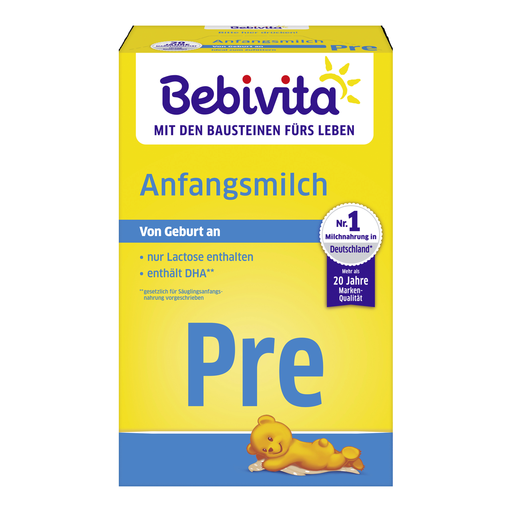
Why this product fits the profile: The 500 g pack is ideal for parents looking for a starter milk Pre from birth in a manageable quantity. According to the product information, it contains only lactose as a carbohydrate source and DHA.
The clear age indication from birth reduces the risk of accidentally buying a follow-on milk for older babies. Palm oil is listed in the ingredients and should be considered when making your choice.
500 g content, lactose as the only carbohydrate source according to the product description, and a precise dosage table.
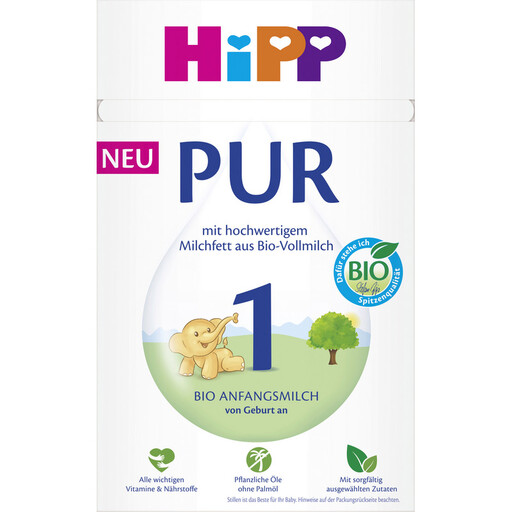
Why this product fits the profile: The product description mentions organic ingredients, natural milk fats from organic whole milk and a palm-oil-free recipe. The formula is intended from birth.
The specific ingredients list helps you check the difference between an organic claim and the actual composition. Information on milk, fish and soya points to relevant allergens.
Organic ingredients according to the product information, suitable from birth, palm-oil-free and with DHA.
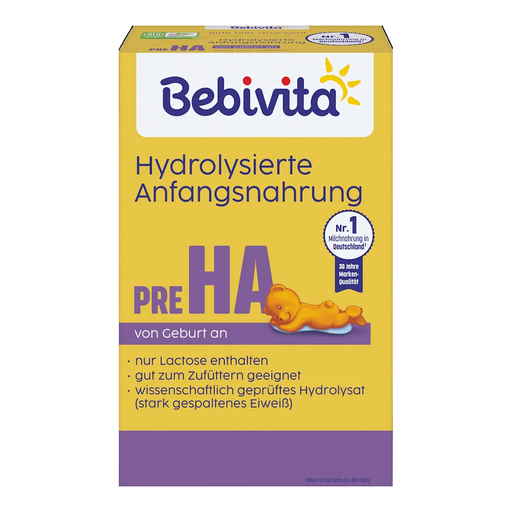
Why this product fits the profile: According to the product information, the recipe contains hydrolysed milk protein, lactose as a carbohydrate source and DHA. It is intended for feeding from birth.
The labelling makes it clear that HA is not a blanket solution for milk protein allergy. If an allergy is suspected, medical advice should be sought before use.
Hydrolysed milk protein, starch-free recipe according to the description and a 500 g pack.
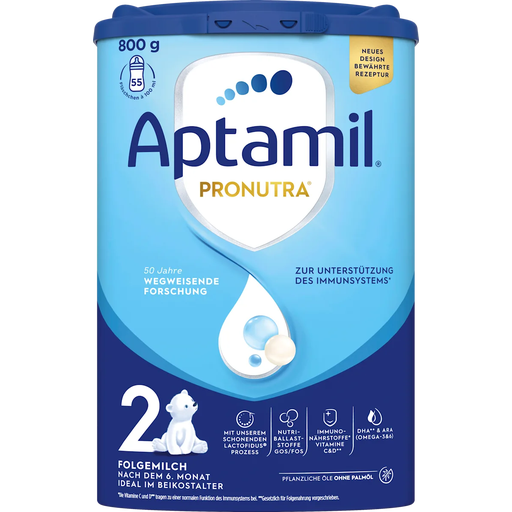
Why this product fits the profile: The 800 g pack is designed for regular use as part of a mixed diet. The ingredients list includes GOS/FOS, DHA and HMO.
The clear classification from 6 months prevents it being used as a starter milk. Parents can check the stated portioning and the four-week use-by period after opening.
800 g content, GOS/FOS, DHA and HMO according to the product information; intended for a mixed diet from 6 months.
We've put together a full, regularly updated list of products that fully meet these strict selection criteria and the safety regulations in force in the EU.
That depends on the manufacturer. In the product information we've looked at, three or four weeks are commonly stated. The tin or inner pouch should be stored in a dry, cool place and kept tightly sealed. Always follow the date on the specific packaging.
You should not mix different powders on your own without seeking advice. The products have different dosage and age instructions. When switching, follow the manufacturer's guidance; if you're unsure, speak to your health visitor or GP.
Boil fresh water according to the pack instructions and let it cool to the stated temperature. Then measure the water first, add a level scoop of powder and shake vigorously. Prepare the feed fresh, check the temperature and discard any leftovers after the feed. The bottle should not be left with your baby for prolonged soothing, as drinks containing carbohydrates can affect teeth if they are in frequent or prolonged contact.