
Lieferung heute & morgen

Qualitätsgarantie

Willkommens-Angebote freischalten: KOSTENLOSE Lieferung | Bis zu 80 % RABATT | Kostenlose 30-Tage-JoyPlus-Testphase
App herunterladen
Baby milk is not all the same. There are clear differences between PRE formula, first infant milk from birth, follow-on formula from 6 months and toddler milk from 1 year in terms of recommended age, composition and use. If you only consider the brand name, organic label or pack size, you may easily buy a product that does not suit your baby’s current stage of development or your individual needs.
Organic baby milk can be made from ingredients sourced from controlled organic farming. Even so, you need to check whether it is PRE formula, first infant milk, follow-on formula or toddler milk. Organic toddler milk from 1 year is not intended for a newborn. Conversely, first infant formula is not automatically the right choice for a toddler.
Terms such as DHA Omega-3, HMO, GOS, FOS and lactic acid cultures often feature prominently on the packaging. They describe components of the recipe, but are not grounds for blanket medical claims. DHA is mandatory in infant formula in the EU. What matters is whether the recipe is approved for the relevant age and whether its allergens are suitable for your family’s circumstances.
Baby milk powder should generally be used within a limited period after opening. If your baby drinks only small amounts, an 800-g pack may remain open for longer than recommended. In that case, even a low price per kilo is of little help. Before buying, you should therefore consider pack size, consumption and shelf life after opening together.
The age range is shown on the front of the pack and in the product name. Typical categories include:
The age recommendation is not a marketing detail, but the first purchasing decision. If you are unsure about changing products or have specific dietary requirements, consult your paediatrician, midwife or another appropriate healthcare professional.
The ingredients list shows which milk components, oils and other ingredients are included. Lactose, milk and soya protein, fish oil, DHA, ARA, prebiotics and probiotics may all be relevant. If you are looking for palm-oil-free baby milk, check the ingredients list specifically for palm oil or palm kernel oil. “With vegetable oils” does not automatically mean palm-oil-free.
For organic products, you should also check whether the advertised organic quality actually applies to the ingredients in question. For example, a product may contain organic milk ingredients, while individual added nutrients come from other sources.
The dosage must be followed precisely according to the instructions on the pack. Typical instructions for the products listed here are:
Feeds should be prepared fresh and leftovers must not be reused. A microwave is not suitable because it may heat the milk unevenly and cause scalding. After opening, store the pack in a dry place at room temperature and keep it tightly sealed. The specific usage period stated on the label takes precedence.
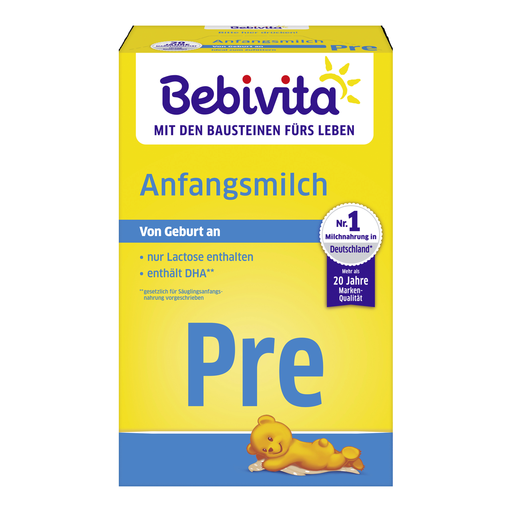
Why this product suits this profile: The 500-g pack is a manageable size, and according to the product information, the PRE formula can be used from birth as a sole source of nutrition or alongside other feeds.
The clear PRE formula labelling reduces the risk of accidentally buying follow-on formula that is unsuitable for the baby’s age. According to the product data, the recipe contains lactose as its only source of carbohydrates.
500 g pack contents, DHA according to the product information and a detailed dosage table covering the first weeks of life through to 6 months and beyond.
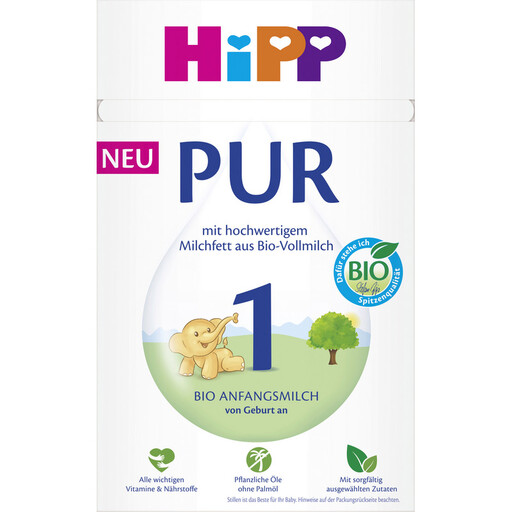
Why this product suits this profile: This organic first infant milk from birth combines organic ingredients with a palm-oil-free recipe and, according to the product information, is suitable as a sole source of nutrition or as a supplement.
The “from birth” labelling and the specific ingredients list help prevent organic quality from being confused with a later age range. Allergens such as milk, fish and soya are clearly stated.
500 g contents, vegetable oils without palm oil according to the product description, plus DHA and ARA in the nutritional information.
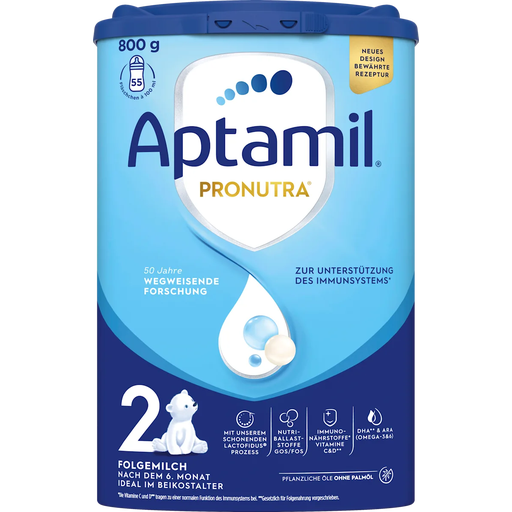
Why this product suits this profile: The 800-g pack is aimed at families with regular requirements after the sixth month and, according to the product information, complements solid foods or breastfeeding.
The “from 6 months” stage prevents it from being confused with first infant milk. GOS and FOS, along with DHA and ARA, are specifically named in the ingredients and nutritional information.
800 g pack size, listed sources of fibre and nutritional values per 100 ml of prepared product.
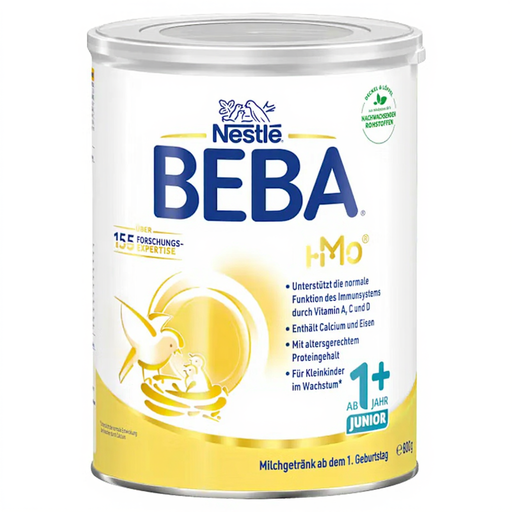
Why this product suits this profile: This product is intended for children from 12 months and can be used as a milk drink as part of a varied diet.
The clear age recommendation helps prevent toddler milk from being given to younger babies. The product data also states that the recipe is palm-oil-free and recommends using it within 28 days of opening.
800 g contents, calcium and iron information per 100 ml, and preparation using three scoops with 90 ml of water according to the product description.
We have put together a complete, regularly updated list of products that fully meet these strict selection criteria and the safety regulations applicable in the EU.
Prepared baby milk should be made fresh and fed immediately. Leftovers from a feed that has already started must not be put back in the fridge or used in the next bottle. For opened powder, follow the individual manufacturer’s instructions; it is often around three to four weeks when stored in a dry place in a tightly sealed container.
You should not mix different products independently without consulting an appropriate healthcare professional. The products may have different dosage instructions and compositions. When changing products, the instructions on the relevant pack should be followed.
From 12 months, clearly labelled toddler milk 1+ products may be suitable, such as Nestlé BEBA Junior 1+, HiPP toddler milk or Aptamil Pronutra Toddler Milk 1+. They are intended as a milk drink as part of a varied diet and do not replace a balanced family diet. The key considerations are age, ingredients, allergens, pack size and the specific recommendation on the packaging.