
Lieferung heute & morgen

Qualitätsgarantie

Willkommens-Angebote freischalten: KOSTENLOSE Lieferung | Bis zu 80 % RABATT | Kostenlose 30-Tage-JoyPlus-Testphase
App herunterladen
There is a wide range of baby milk available: pre formula, first infant milk, follow-on milk, HA formula, organic baby milk and toddler milk from 1 year differ in their recommended age, recipe, pack size and preparation. For parents, the brand name alone is therefore not the deciding factor. More important are the details on the packaging and whether the product is suitable for the child’s current stage of development.
As a Joybuy Product Recommendation Officer, I filter product information according to clear, verifiable criteria. Three common purchasing mistakes stand out, as they can lead to unnecessary spending or an unsuitable choice.
1. The age stage is overlooked.
Follow-on milk from 6 or 10 months is not intended as infant milk for the first months of life. Conversely, toddler milk from 1 year is designed for young children and does not replace first infant milk.
2. Marketing terms are confused with medical suitability.
“HA”, “Combiotik”, “organic” or “with DHA Omega-3” describe specific properties of the recipe. They do not automatically indicate individual tolerance or a health benefit. If you suspect a cow’s milk protein allergy or notice other symptoms, discuss your choice with your child’s doctor or midwife.
3. Preparation is underestimated.
Using the wrong powder-to-water ratio, storing leftovers or keeping opened packs for too long can compromise product safety. Powdered baby food should always be prepared according to the instructions on the relevant packaging.
The stage must match the child’s age and feeding situation:
If you are unsure about starting weaning or changing milk, discuss the decision with a healthcare professional.
Check the ingredients list for milk, fish, soya, lactose and other potential allergens. Many products contain fish oil as a source of DHA. For DHA Omega-3 baby food, compare the precise amount per 100 millilitres of prepared product rather than relying solely on the advertising claim on the front of the pack.
HA formula contains partially hydrolysed milk protein. However, this does not mean that it is suitable in cases of an existing or suspected cow’s milk protein allergy. The product details for Aptamil HA Prosyneo PRE, Bebivita Pre HA and HiPP PRE HA Combiotik expressly point out this limitation.
When choosing organic baby milk, it is worth checking the certification and the proportion of agricultural ingredients from organic farming. According to the product details, HiPP Bio Combiotik 2 carries the DE-ÖKO-001 certification. “Organic” describes the origin and production method; it is not a statement about individual tolerance.
Always compare nutritional values on the same basis, for example per 100 millilitres of prepared product. Relevant details include energy, protein, carbohydrates, calcium, iron, vitamin D, ALA and DHA.
Pack size can also affect everyday use:
After opening, the products listed generally need to be used within three or four weeks, depending on the manufacturer. The information on the pack you have actually bought is always the deciding factor.
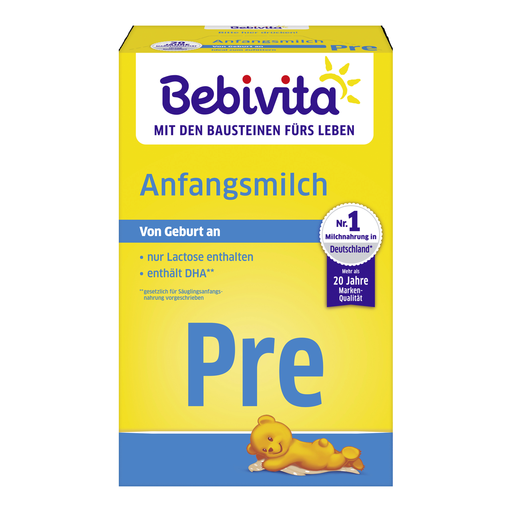
Why this product matches the profile: The 500 g pack is a manageable size for families looking for first infant milk from birth who do not initially want to buy a large supply.
The labelling states that it is suitable from birth and can be used as the sole or supplementary source of nutrition. Lactose is listed as the only carbohydrate source.
500 g contents; according to the product details, with DHA and lactose as the carbohydrate source.
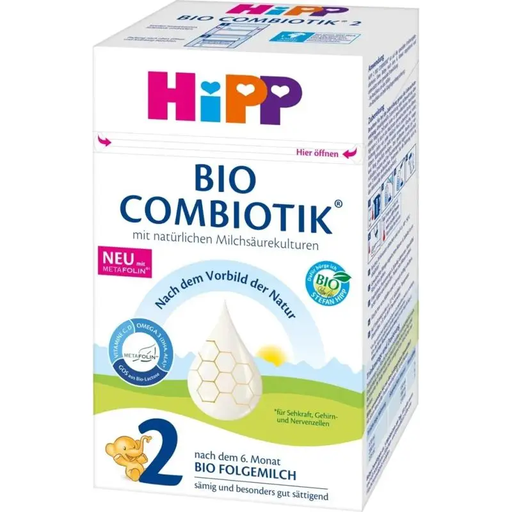
Why this product matches the profile: Suitable for families who value recognised organic certification and a follow-on milk for the weaning stage with clearly detailed product information.
The age stage from 6 months is clearly stated. DE-ÖKO-001 and the ingredients list allow the organic properties to be assessed objectively.
600 g contents; according to the product details, with GOS, DHA and ALA, as well as organic ingredients.
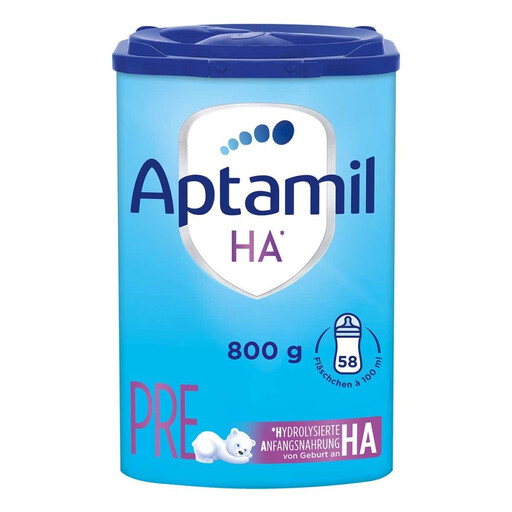
Why this product matches the profile: The 800 g pack is aimed at families with regular requirements who are specifically looking for HA pre formula from birth.
The product details state that it contains hydrolysed whey protein and lactose only. At the same time, they expressly point out that it is not suitable in cases of cow’s milk protein allergy.
800 g contents; according to the product details, with GOS, FOS, DHA and ARA.
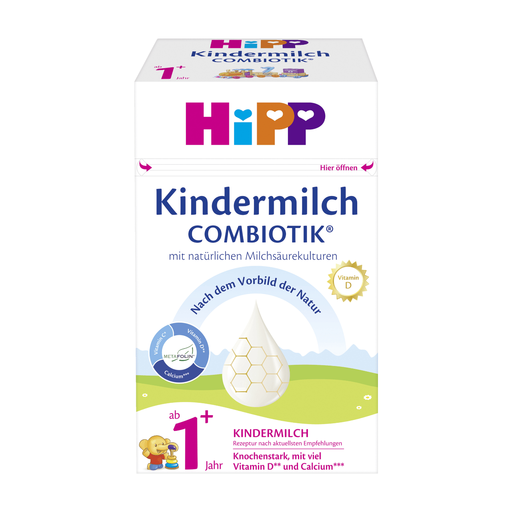
Why this product matches the profile: This milk is intended for children from 1 year and, according to the product details, can be offered in a cup as part of a varied diet.
The clear age limit prevents toddler milk from being confused with infant milk. The labelling also states that it has reduced protein levels and is intended to be served in a cup.
600 g contents; according to the product details, with calcium, vitamin D, iron and DHA.
We have put together a complete, regularly updated list of products that fully meet these strict selection criteria and the safety regulations applicable in the EU.
Opened packs should be stored in a dry place, tightly closed and at room temperature. A microwave is not intended for use with the products listed, as uneven heating can create hot spots. Prolonged contact between carbohydrate-containing milk and the teeth can encourage tooth decay; the bottle should therefore not be used as a comforter.
From birth, pre formula and certain first infant milks may be suitable. Examples from the selection include Bebivita PRE, HiPP 1 PUR and Milupa Milumil 1. HA pre products have a special recipe and should not be used without professional advice if a cow’s milk protein allergy is suspected.
This depends on the product. The information available often states three or four weeks. The use-by date and storage instructions on the pack you have actually bought are always decisive.
Toddler milk from 1 year is an optional milk drink as part of a varied diet. Whether it is suitable for the daily menu depends on the other milk and food products consumed, as well as the child’s individual needs. Your child’s doctor can advise you if you have questions about the right amount.