
Lieferung heute & morgen

Qualitätsgarantie

Willkommens-Angebote freischalten: KOSTENLOSE Lieferung | Bis zu 80 % RABATT | Kostenlose 30-Tage-JoyPlus-Testphase
App herunterladen
There is a wide range of baby milk powders available: first infant milk Pre, first infant milk 1, follow-on milk 2 or 3, organic baby milk and growing-up milk from 1 year differ in their recommended age, consistency, ingredients and pack size. For parents, the brand name is therefore not the only important factor. The right product stage, a clear ingredients list and safe preparation are more important.
“Pre”, “1”, “2” and “3” are not quality levels, but designations for different stages of use. First infant milk Pre is intended for use from birth in the products listed. First infant milk 1 may also be suitable from birth, although some recipes contain added starch. Follow-on milk 2 is typically used from the sixth or seventh month, while follow-on milk 3 is generally intended from the tenth month.
A product labelled “from 1 year” belongs to the growing-up milk from 1 year category and is not intended as first infant formula. The age indication on the packaging should therefore be checked before comparing prices.
Organic baby milk indicates that the ingredients come from organic farming, but this alone says nothing about whether a product is suitable for an individual child. Terms such as DHA, GOS, FOS and natural lactic acid cultures should also be considered objectively. DHA is included in first infant formula in accordance with legal requirements. Additional ingredients may distinguish one recipe from another, but they do not replace consultation with a paediatrician or midwife for specific dietary questions.
An 800-gram pack often appears cheaper at first glance than a 500- or 600-gram pack. However, the key factors are the price per 100 grams, dosage and how long the product can be used after opening. Depending on the product, opened packs should generally be used within around three to four weeks. If you only supplement occasionally, a smaller pack may therefore be more practical and create less waste.
First, check the exact product designation:
Any change should be age-appropriate and, if you are unsure, made in consultation with a healthcare professional. Speciality formulas such as HA products are not automatically suitable for every baby. If you suspect a cow’s milk protein allergy or notice other symptoms, medical advice is required.
Compare the ingredients list and pay particular attention to milk, lactose, fish oil and soya as potential allergens. The nutritional table generally refers to 100 millilitres of prepared formula and is therefore easier to compare than the values for the dry powder.
Relevant information may include:
The information on the product packaging is authoritative, as recipes and packaging details may change.
Baby milk powder should be prepared fresh for every feed. Typical instructions for the products listed are:
The dosage instructions provided by the individual manufacturer take priority. Formula that is too concentrated or too diluted can alter the nutrient intake. Microwaves should not be used for warming, as they can create uneven temperatures.
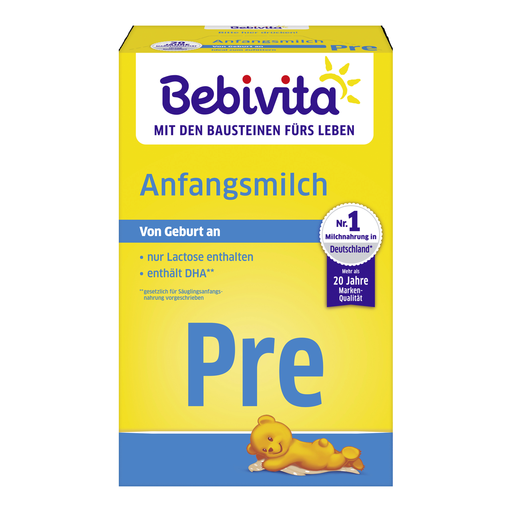
Why this product suits the profile: The 500-gram pack is suitable for parents looking for first infant formula from birth who do not initially need a large supply.
The clear “from birth” label prevents confusion with follow-on milk. The stated source of carbohydrates is lactose.
500 g contents, DHA according to the product information and made in Germany.
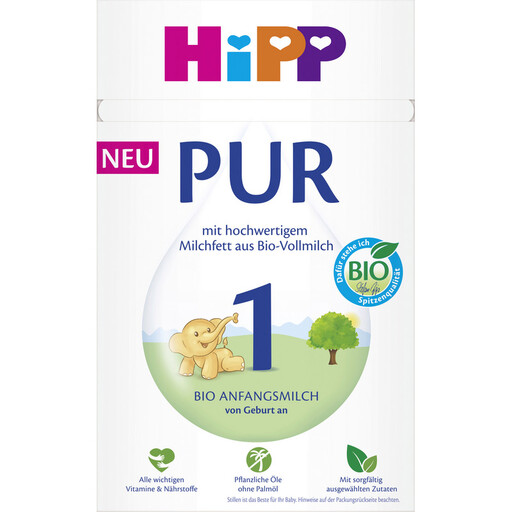
Why this product suits the profile: The organic recipe with whole milk powder and plant oils is aimed at parents who carefully compare ingredient origins and nutritional information.
Its suitability from birth is clearly stated. Allergens such as milk, fish and soya are listed in the product description and should be checked before purchase.
Organic ingredients, 500 g contents and DHA and ARA according to the product information.
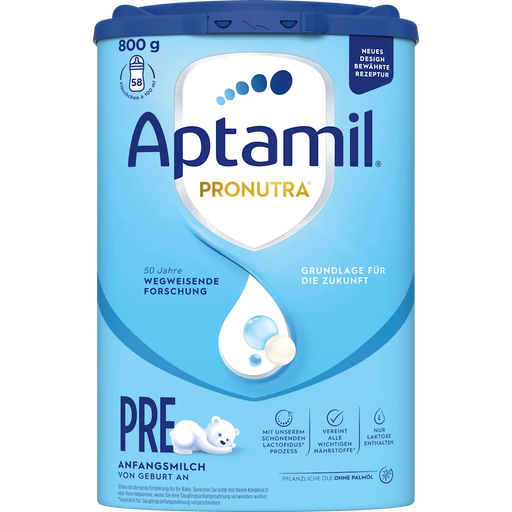
Why this product suits the profile: The 800-gram pack is designed for regular or full bottle-feeding from birth, potentially reducing the need to reorder.
The pack size is stated clearly. The dosage chart, measuring scoop and instructions for fresh preparation support consistent use.
800 g contents, lactose as the main source of carbohydrates and GOS/FOS according to the product data.
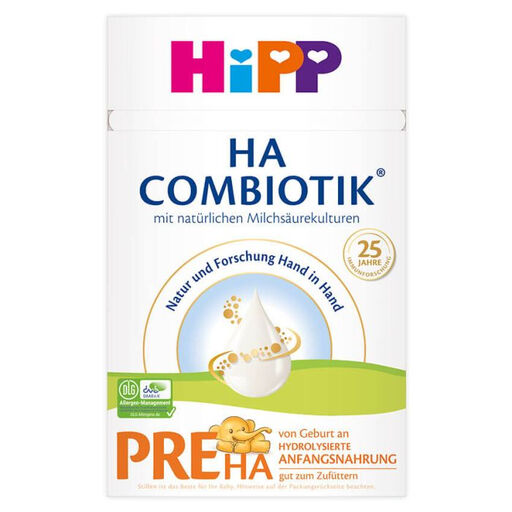
Why this product suits the profile: The HA recipe may be of interest to parents considering a hydrolysed protein source. However, it should only be selected following medical or professional advice.
The product description expressly states that HA formula should not be used independently in cases of an existing or suspected cow’s milk protein allergy.
600 g contents, hydrolysed whey protein, GOS and lactose as the source of carbohydrates according to the product information.
We have put together a complete, regularly updated list of products that fully meet these strict selection criteria and the safety regulations applicable in the EU.
From birth, Pre milk or first infant milk 1 may be suitable, depending on the product. The precise age indication, dosage chart and ingredients list on the pack are the deciding factors. If you are making a partial or complete changeover, it is advisable to consult a paediatrician or midwife.
Depending on the packaging, the products listed should be used within around three to four weeks of opening. Store the powder in a dry place at room temperature and keep it tightly sealed. The specific use-by period stated on the packaging takes priority.
Costs depend on the pack size, price per 100 grams, dosage and the amount your baby drinks. Do not compare the pack price alone: also consider how many feeds it makes and the recommended period of use after opening. If you need smaller quantities, a 500- or 600-gram pack may be more economical because less product is left unused.