
Lieferung heute & morgen

Qualitätsgarantie

Willkommens-Angebote freischalten: KOSTENLOSE Lieferung | Bis zu 80 % RABATT | Kostenlose 30-Tage-JoyPlus-Testphase
App herunterladen
Investing in a baby monitor with a camera should provide peace of mind and security. However, the market is flooded with devices whose marketing promises often fall short in practice. Many parents buy a model only to discover a few months later that it lacks crucial features, the image quality is poor, or unexpected recurring costs arise.
As your Joybuy Product Recommendation Officer, I'm here to help you identify these pitfalls. Instead of falling for exaggerated advertising claims, we'll focus on the technical specifications that truly matter.
The 3 Most Common Cost Traps of Baby Monitors with Cameras:
To make an informed decision, you should examine three core aspects. These determine the reliability and practical value of your baby camera in daily use.
Video resolution isn't a marketing gimmick; it's a critical quality feature.
The field of view is just as important. A fixed camera can quickly become limited if the child moves around in the cot. Models with a pan-and-tilt function (Pan-Tilt-Zoom, PTZ), often marketed as a 360-degree indoor camera, offer the flexibility to cover the entire room via the app.
The type of connection and storage directly impacts both security and cost.
Modern cameras are more than just passive observers. A good camera with motion detection and night vision should have intelligent filters to minimise false alarms.
Based on these objective criteria, we have identified several models that represent a smart choice for different needs and budgets.
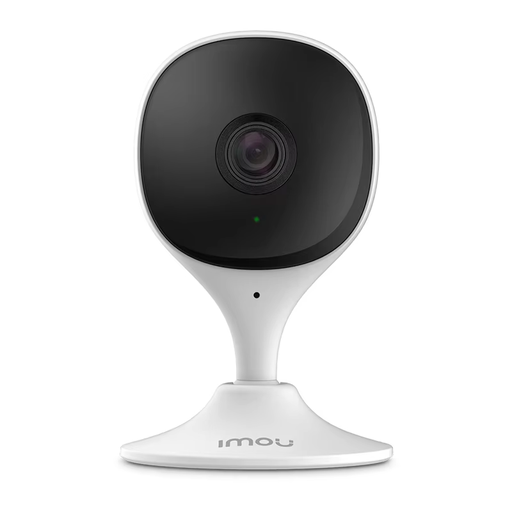
Why It's a Good Fit: For a moderate price, it offers advanced features like AI human detection and abnormal sound detection (e.g., a baby crying), which are typically reserved for more expensive devices.
Support for microSD cards up to 512 GB makes cloud subscriptions (Trap 1) optional. The AI detection reduces false alarms, a common issue with budget-friendly cameras.
3MP resolution for sharper images than standard 1080p. The magnetic mount allows for highly flexible, drill-free installation.
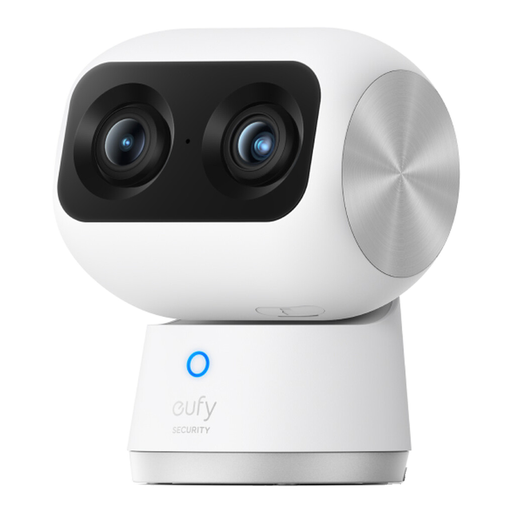
Why It's a Good Fit: For parents who refuse to compromise on image quality. The dual-lens system with 4K resolution and optical zoom delivers a level of detail that is unmatched by standard cameras.
The superior optics effectively solve the problem of blurry night vision (Trap 2). Local storage is a core feature of the eufy brand, consistently protecting you from subscription traps (Trap 1).
Dual lens (4K wide-angle and 2K telephoto) with 8x hybrid zoom and 360° coverage. Precise AI tracking of people and pets.
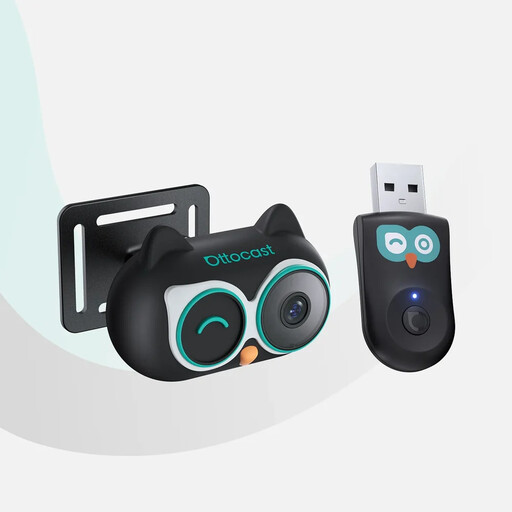
Why It's a Good Fit: A specialised solution for safely monitoring babies in the car. It uses the vehicle's existing CarPlay display, thus avoiding dangerous distractions from extra monitors or turning around while driving.
This product solves a specific safety problem that standard baby monitors ignore. It integrates seamlessly with existing technology, avoiding impractical and cluttered additional devices in the cockpit.
Split-screen function on the car display (view navigation and the baby simultaneously). Glare-free infrared night vision that won't disturb a sleeping child.
We have compiled a complete, up-to-date list of products that fully meet these strict selection and safety criteria.
The security of a Wi-Fi camera depends on several factors. Look for models that support modern WPA3 or at least WPA2 encryption. Create a strong, unique password for your device and your Wi-Fi network. If the manufacturer offers two-factor authentication (2FA), you should definitely enable it. Cameras that store recordings exclusively on a local microSD card generally offer greater data privacy, as the video data does not need to leave your home network.
No. For most devices, the basic function—the live video stream to your smartphone—is free. A subscription is typically required for additional services, primarily for storing video clips in the manufacturer's cloud. If you want to avoid these recurring costs, specifically choose a model with a microSD card slot. This allows you to record events locally, making you independent of cloud services.
Yes, many modern indoor IP cameras are very well-suited for baby monitoring. They often come with crucial features like good night vision, two-way audio, and intelligent motion detection. The main difference from dedicated baby monitors often lies in specific convenience features like built-in lullabies, a room temperature sensor, or a separate parent unit. However, for pure video and audio monitoring, a high-quality indoor IP camera is a perfectly valid and often more versatile alternative.