
Lieferung heute & morgen

Qualitätsgarantie

Willkommens-Angebote freischalten: KOSTENLOSE Lieferung | Bis zu 80 % RABATT | Kostenlose 30-Tage-JoyPlus-Testphase
App herunterladen
The warm months bring not only sunshine but also mosquitoes and other insects. Parents are always looking for reliable protection, especially for infants and toddlers whose skin is sensitive. A mosquito net for your baby provides a physical barrier without having to resort to chemical agents.
This article serves as your guide. I'm Joy, your Product Recommendation Officer at Joybuy, and my job is to give you a factual overview of the different types of mosquito nets. We'll look at the crucial features and present a selection of models for various applications, so you can make an informed decision to protect your child.
Selecting the right net depends on your individual needs. Whether for the cot at home, the stroller on the go, or the travel cot on holiday – the following criteria will help you decide.
A key aspect is the material. Most mosquito nets are made of 100% polyester mesh. This material is lightweight, tear-resistant, and easy to care for. Look for a fine but breathable mesh structure. Good air circulation is essential to prevent heat build-up and ensure your child has a constant supply of fresh air. The mesh should be fine enough to keep out even the smallest insects, while still ensuring good visibility and ventilation.
Consider where the insect protection for your baby will be used most. There are specific models and universal solutions:
The method of attachment is crucial for functionality and safety. An elastic band ensures a secure and gap-free seal on mobile nets. For bed canopies, secure ceiling mounting is required. Before each use, check that the net is firmly in place and that there are no loose parts the child could get tangled in. The net should always be taut and secured out of the child's reach.
Based on functionality, material, and application, we have put together a selection of products that meet the different needs of families.

Why it stands out The Laneetal bed canopy combines functionality with aesthetics. It not only serves as a mosquito net for the baby's cot but also creates a cosy retreat for playing or reading. The adjustable hanging height makes it flexible for different room heights and bed sizes.
Benefits
Who it's for This model is a great choice for parents looking for a stationary solution for the nursery or baby's room that both offers protection and enhances the room's ambiance.
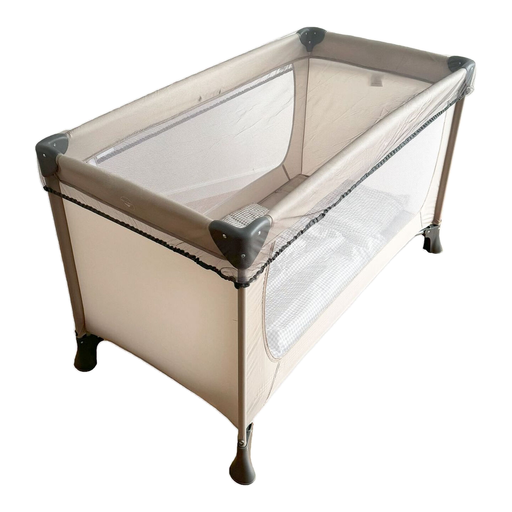
Why it stands out The Zamboo insect screen is designed for mobility and flexibility. Weighing only about 0.15 kg and with a compact packed size, it is the ideal companion for on the go. It provides reliable mosquito protection for your baby when travelling, visiting friends, or camping.
Benefits
Who it's for This net is aimed at families who are often on the move and need a practical and straightforward insect screen for their travel cot.
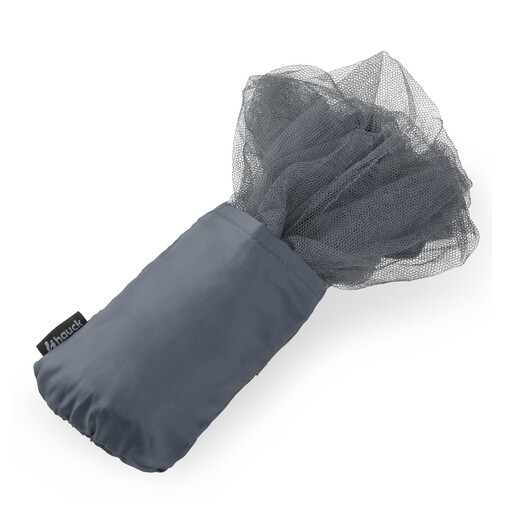
Why it stands out The universal insect screen from hauck is a practical accessory for daily life with a baby. Thanks to its stretchy elastic band, it fits a wide range of strollers and buggies from different brands, protecting your child during outdoor excursions.
Benefits
Who it's for Ideal for active parents looking for a flexible and robust insect screen for their stroller that is easy to handle and take anywhere.
If the models presented here don't quite meet your requirements, or if you're looking for other designs and features, you can find a wider selection in our category.
Discover more mosquito nets here
A mosquito net can be used from birth to protect your baby from insect bites. However, it is crucial to follow the manufacturer's safety instructions carefully. Make sure the net is always securely and tightly fastened and that there are no loose parts within the child's reach.
Most polyester mosquito nets are easy to care for. Follow the care instructions on the product label. Many models can be machine washed at 30 °C on a gentle cycle. It is recommended to let the net air-dry and to avoid using bleach or fabric softeners.
High-quality mosquito nets are made from breathable mesh fabric designed to ensure good air circulation. Nevertheless, you should check on your child regularly, especially in warm weather, to make sure they are not overheating. If there are any signs of discomfort, the net should be removed to provide more ventilation.