
Lieferung heute & morgen

Qualitätsgarantie

Willkommens-Angebote freischalten: KOSTENLOSE Lieferung | Bis zu 80 % RABATT | Kostenlose 30-Tage-JoyPlus-Testphase
App herunterladen
The range of motor skills toys for babies is vast and can quickly become overwhelming. Manufacturers advertise educational value and developmental benefits, but not every product lives up to its promise. As a Joybuy Product Recommendation Officer, I'm here to help you distinguish marketing promises from genuine quality features and make an informed decision. This guide will show you how to avoid common purchasing pitfalls and find the right toy for your child's motor development.
Before we get to the recommendations, it's important to understand the typical issues that lead to poor purchasing decisions.
To avoid these pitfalls, you should base your selection on three objective core parameters.
Your child's safety is the highest priority. Look for the following standards and features:
Also, check the workmanship: Are there rounded edges, stable connections, and no small parts that could detach and become a choking hazard?
Motor skills toys are most effective when they match the child's current developmental stage.
A good motor skills toy grows with the child or can be used in various ways. Montessori toys often follow this principle by focusing on simple, clear functions that stimulate creativity. A baby walker that also serves as a doll's pram or a transport vehicle for building blocks remains interesting for years. Modular climbing toys can be reconfigured again and again, adapting to growing abilities.
Here are some product recommendations that align with the criteria mentioned and are suitable for different needs and age groups.
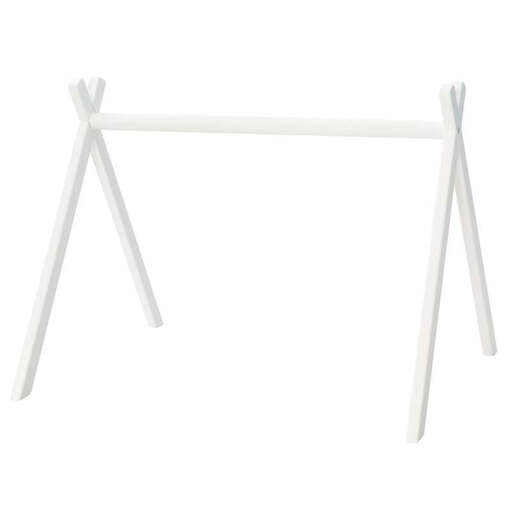
Why This Fits Their Persona: Ideal for parents seeking a simple yet effective toy for the earliest developmental stage. Its Montessori-inspired design focuses on the essentials: grasping and discovery.
This play arch avoids the sensory overload trap. It provides a neutral frame that parents can equip with a few select toys to focus the baby's concentration.
Made from wood with wipe-clean surfaces. The universal design can be expanded with various separately sold toy sets, ensuring it remains adaptable.
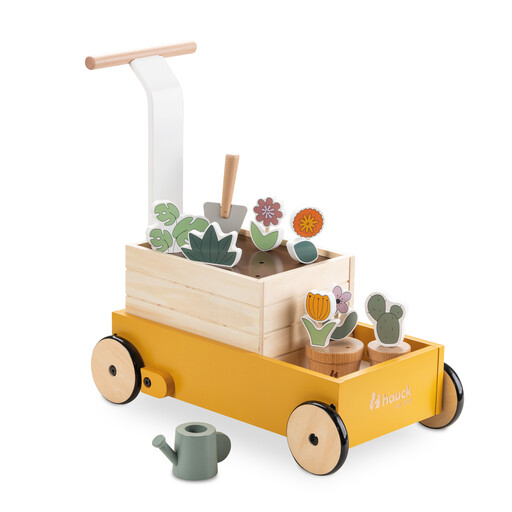
Why This Fits Their Persona: Perfect for safety- and quality-conscious parents whose child is ready for their first steps. The combination of a walker and a play station offers excellent value.
It addresses the safety pitfall with a braking system that allows the wheel speed to be individually adjusted. The construction from FSC-certified wood signifies material quality and sustainability.
Multi-functional: Serves as a walker and, thanks to its large storage area, also as a doll's pram or for transporting toys. This ensures long-lasting play value.

Why This Fits Their Persona: An excellent choice for families looking to create a safe space for active play. This set promotes gross motor skills, coordination, and balance in toddlers with a high need for movement.
This set bypasses the trap of short-lived toys. It's a modular toddler climbing toy that can be used over a long period and rearranged to create new challenges.
Safety is ensured with non-slip bases and certified foam. The covers are removable and machine-washable, making cleaning easy. The combination of climbing elements and a ball pit base offers versatile play options.
We have compiled a complete, up-to-date list of products that fully meet these strict selection criteria and European safety regulations.
1. When is a baby walker useful? A push walker, which the child pushes in front of them, is useful once your child can pull themselves up on furniture and stand securely on their own. This is usually around 9 to 12 months of age. It serves as a support to build balance but should not be used as a substitute for learning to walk freely.
2. How can I identify safe wooden motor skills toys? Look for high-quality workmanship with no splinters and rounded edges. The paints used should be explicitly declared as saliva-resistant and non-toxic according to the DIN EN 71-3 standard. A stable, tip-proof design is crucial, especially for larger toys like walkers or climbing structures. The GS mark provides an additional, independent confirmation of safety.
3. How do I clean motor skills toys properly? For toys made of untreated or painted wood, a slightly damp cloth is usually sufficient. Avoid aggressive cleaning agents, as they can damage the material. For toys with fabric or plastic parts, please follow the manufacturer's care instructions. Many fabric elements, such as those on an activity center, are suitable for machine washing.