
Lieferung heute & morgen

Qualitätsgarantie

Willkommens-Angebote freischalten: KOSTENLOSE Lieferung | Bis zu 80 % RABATT | Kostenlose 30-Tage-JoyPlus-Testphase
App herunterladen
There’s a wide choice of nappies and nappy pants for babies and children. Alongside baby nappies, nappy pants and training pants, you’ll find specialist night-time nappies for active babies and pyjama pants for children who wet the bed. The right choice depends on more than just the brand name or a bold advertising claim. Weight, fit, absorbent core and intended use all matter.
Age recommendations such as ‘from 6 months’ or ‘for ages 4 to 7’ are only a guide. Children develop at different rates, so always check the recommended body weight on the packaging first.
A nappy that’s too large may leak around the legs or back. One that’s too small can cause pressure marks and may hold less liquid. This applies to nappies in sizes 1 to 8, as well as nappy pants and pyjama pants.
Terms such as 360° leak protection, ‘night-time comfort’ or ‘highly absorbent core’ describe specific design features. They don’t guarantee that a nappy will stay leak-free in every situation. Movement, sleeping position, how much your child drinks and the fit all affect the result.
So also look for stretchy cuffs, a snug waistband and a sufficiently wide absorbent area. For night-time nappies, a reinforced back area or an extra leak-proof pocket may also be useful.
Claims such as ‘dermatologically tested’, ‘pH-friendly to skin’ or ‘no intentionally added EU fragrance allergens’ relate to product testing or ingredients. They don’t promise that a nappy will prevent skin irritation for every child.
If your child has sensitive skin, check the ingredient information, monitor their skin regularly and change wet or soiled nappies promptly. If redness, itching or a rash persists, stop using the product and seek medical advice.
Size ranges vary by product. Examples from our selection:
These ranges are product-specific. Always check the details on the relevant product page or packaging.
Baby nappies with hook-and-loop or adhesive fastenings are usually easy to put on while your baby is lying down. They’re especially suitable for babies and children who can’t yet stand steadily.
Nappy pants pull on over the legs like underwear. This can make changing active toddlers easier. To take them off, open the side seams. Training pants are useful when your child is becoming more independent but still needs leak protection.
For daytime, freedom of movement, a flexible fit and easy changes are important. At night, absorbency, a secure waistband and protection around the back and legs matter most. Even if a nappy has a stated protection duration, change it immediately if it becomes soiled.
Material details such as sodium polyacrylate superabsorbent, cellulose, non-woven fabric and polyethylene can help you understand what a product is made of. Certifications such as OEKO-TEX STANDARD 100 apply to the specific components tested. The relevant details should be clearly shown in the product description or on the packaging.
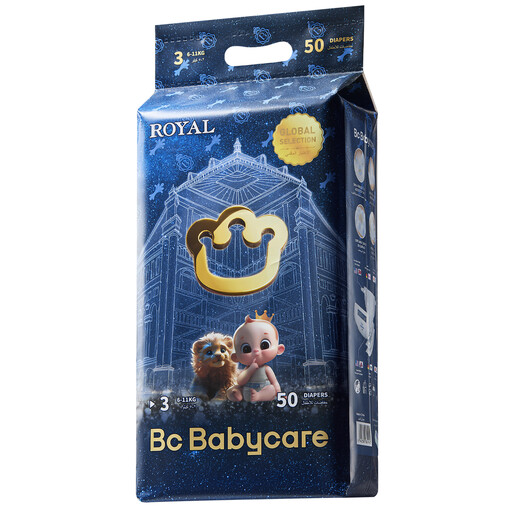
Why this product suits this profile: These tape-fastened nappies are designed for everyday use by babies and toddlers weighing 6–11 kg. The pack contains 50 nappies and has a clearly defined weight range.
The weight guidance helps you avoid choosing based on age alone. 360° leak protection and an adjustable waistband are listed as specific design features.
InfiniThin absorbent core, wetness indicator and stated pH 5.5 surface material.
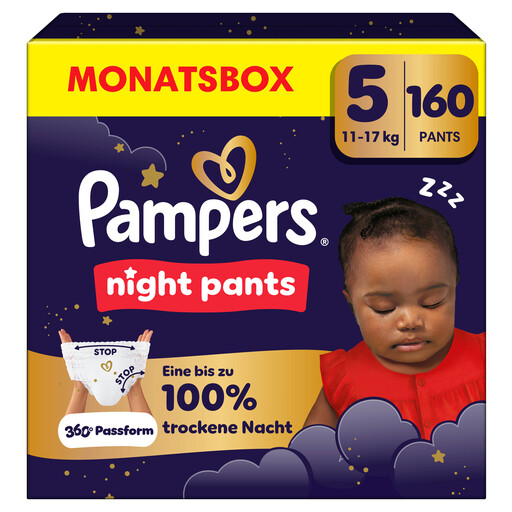
Why this product suits this profile: These night-time nappies are designed for babies and toddlers weighing 11–17 kg, combining a stretchy all-round waistband with an absorbent area made for overnight use.
Choosing by weight and intended night-time use helps you avoid relying on an ordinary day nappy for long periods of sleep.
Stop-&-Protect pocket at the back, anti-leak cuffs and 360° waistband, according to the product description.
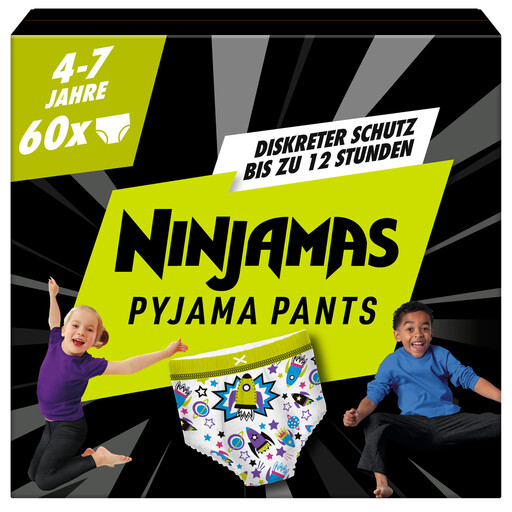
Why this product suits this profile: These pyjama pants are designed for children aged 4 to 7 who weigh 17–30 kg, and are intended for overnight use by children who wet the bed.
The age and weight limits are clearly stated. Its specific purpose helps distinguish these from training pants designed for daytime use.
360° FormFit waistband, quieter QuietCloth material and stated single-use design.
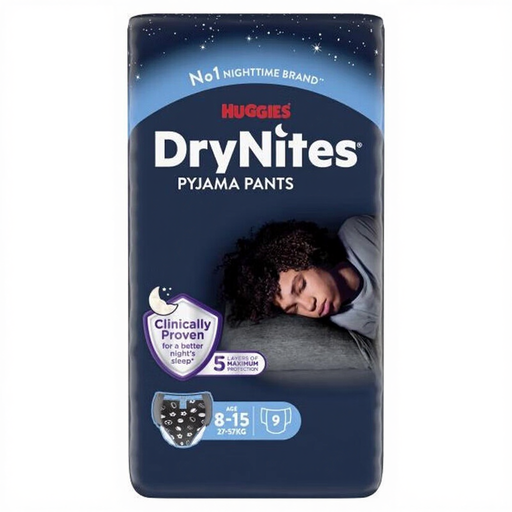
Why this product suits this profile: These pyjama pants are designed for boys weighing 27–57 kg, with a discreet fit similar to underwear.
The weight and age range is designed for older children, helping you avoid using a baby nappy that’s too small as an unsuitable stopgap.
Five layers of protection, an absorbent area designed for boys and a pack of 9, according to the product information.
We’ve put together a complete, regularly updated list of products that meet these strict selection criteria and the safety regulations in force in the EU.
Night-time nappies are designed for longer periods of sleep, but should be changed immediately if soiled. There’s no one recommended wear time for every child. Check your child’s skin, the nappy’s absorbency and the fit regularly.
Nappy pants are useful when your child is active, stands up during changes or is starting to become more independent. Traditional tape-fastened nappies may be easier to put on newborns and very small babies.
First check the size, the fit of the leg cuffs and the position of the absorbent area. For older children, specialist bedwetting nappies, Ninjamas Pyjama Pants or DryNites pyjama pants may be better suited to their needs at night than ordinary day nappies. If the problem continues, carers should also seek medical advice.