
Lieferung heute & morgen

Qualitätsgarantie

Willkommens-Angebote freischalten: KOSTENLOSE Lieferung | Bis zu 80 % RABATT | Kostenlose 30-Tage-JoyPlus-Testphase
App herunterladen
A baby or child’s room is rarely just one piece of furniture. Cot, changing station, storage and practical accessories all need to work together, without overcrowding the space, and should suit the child’s age. If you let yourself be guided solely by colours, patterns or so-called comfort features when choosing your baby and nursery room equipment, you can easily overlook important buying criteria.
A cot might look like it fits, yet still be unsuitable for the room you have. What matters isn’t just the sleeping surface, but also the external dimensions, the clearance needed, doors, radiators and the space required for opening drawers or pull-out sections.
With a cot 70 x 140 cm, for example, the mattress must be exactly the right size for that bed. A cot with mattress isn’t automatically more practical: check whether the mattress, firmness level, cover and care instructions meet your requirements. When you buy items separately, you can choose these features more precisely.
Height adjustment, castors, folding mechanisms or convertible functions can be useful in daily life. However, they also increase the number of parts that need to be correctly assembled and regularly checked. A bedside crib with several height settings only works well if the height and construction of the parents’ bed are taken into account.
A storage bed with a pull-out function also needs enough space in front of and beside the bed. So before you buy, measure the fully extended position completely.
Labels like “natural”, “sturdy” or “skin-friendly” are no substitute for specific details. Look at the material, surface treatment, weight limit, recommended age group and the available assembly instructions. For cots, information about suitable mattress sizes, cot sides and regular checking of connections is also relevant.
Before you start searching, make a note of:
A baby cot for the first few months serves a different purpose from a junior bed. A convertible combination cot can extend the period of use, but should only be used in the stages expressly intended.
Check whether a piece of furniture is screwed together, slotted together or secured with additional fastenings. After assembly, all screws, connections and height-adjustable elements should be checked. With a bedside crib, secure attachment to the parents’ bed is particularly important.
Castors are practical if the furniture is moved regularly. They should be lockable during use. For a changing station, the permitted weight load, raised side edges and a stable, level standing surface are also relevant details. A changing table never replaces the necessary supervision of the child.
Removable covers that can be washed at 40 °C can make daily care easier. For wood or MDF surfaces, a damp cloth is usually sufficient; harsh cleaning products can damage the coating.
For small rooms, space-saving children’s furniture is useful, provided the extra storage remains genuinely accessible. Slim children’s clothes hangers create order in the wardrobe, while a step stool for children can help them reach the washbasin independently. The stool must stand on a non-slip, level surface and should only be used under supervision.
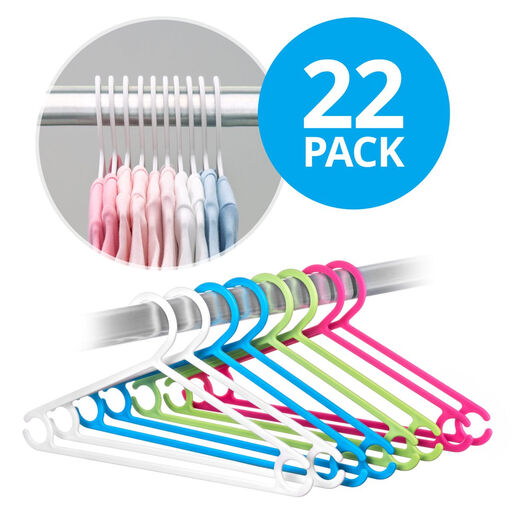
Why this product suits the profile: The 22-piece set is a simple way to bring order to the nursery without buying a larger wardrobe. It is suitable for children’s clothing in sizes 62 to 116.
The dimensions of 30.5 x 15 x 0.3 cm and the slim plastic design are clearly stated. This makes it easier to assess the wardrobe space needed.
22 hangers in four colours; side hooks and a crossbar for different types of clothing.
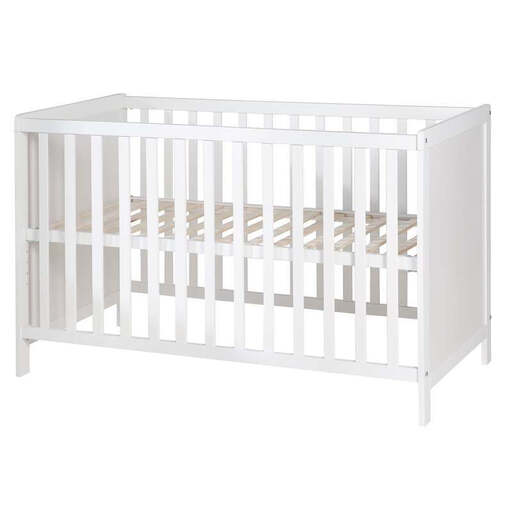
Why this product suits the profile: This model is aimed at families looking for an adjustable sleeping solution that can later be used as a cot.
The sleeping surface of 60 x 120 cm, the height adjustment from 22 to 42 cm and the attachment to the parents’ bed are clearly specified. The connection must be made securely according to the instructions.
Five removable cot bars; according to product information, developed to EN 716 and designed for up to 50 kg.
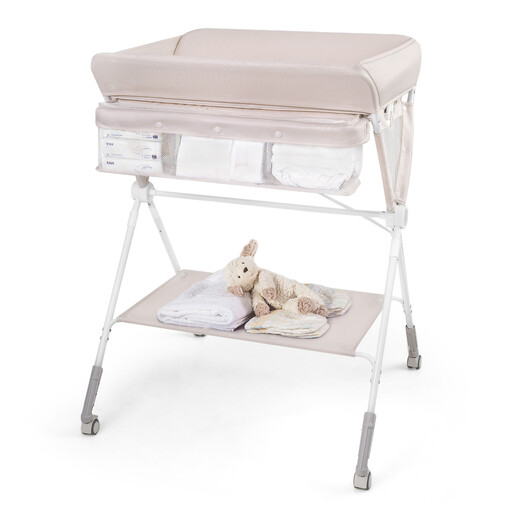
Why this product suits the profile: The foldable changing station is designed for families who frequently rearrange their space or have limited storage.
The three heights of 83, 86 and 89 cm, as well as the dimensions when folded, are stated. This allows you to check in advance whether using and storing it in the room will work.
Four lockable castors; storage basket, shelf and removable, washable Oxford fabric.
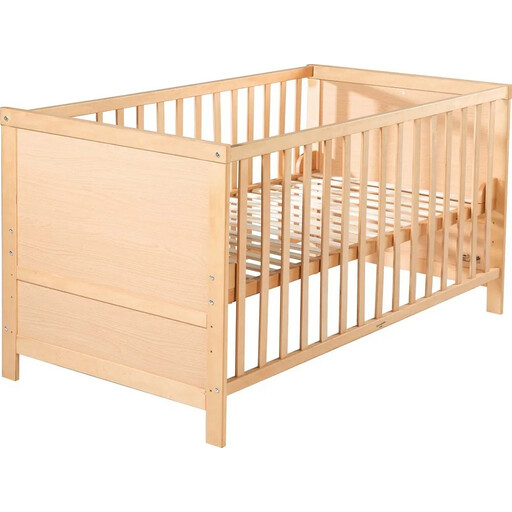
Why this product suits the profile: The combination cot links a classic cot phase with later use as a junior bed, and is aimed at households that want to use furniture for longer.
The required mattress size of 70 x 140 cm, three height levels and three removable climbing bars are all clearly stated. Conversion should only be carried out according to the instructions.
Convertible construction; natural wood look and matching slatted base area in the stated size.
We have put together a complete, regularly updated list of products that fully meet these strict selection criteria and the safety regulations in force in the EU.
Depending on the room and your daily routine, additional products can complete the set-up:
The basic equipment usually includes a suitable baby cot or bedside crib, a changing facility, storage for clothes and care products, and a clear, safe floor area. A complete nursery does not have to be set up straight away. Many families only add furniture when the child’s usage habits change.
A convertible cot can be worthwhile if the sleeping surface, weight capacity and conversion options match the planned period of use. Clear information for each stage of use is important. The cot must not be used beyond its approved weight limit; damaged parts should be replaced.
First, measure the floor areas and walkways. Foldable changing stations, slim children’s clothes hangers, shelves with closed compartments and a storage bed can make better use of the available space. Movable furniture should still stand securely and must not block escape routes, windows or radiators.