
Lieferung heute & morgen

Qualitätsgarantie

Willkommens-Angebote freischalten: KOSTENLOSE Lieferung | Bis zu 80 % RABATT | Kostenlose 30-Tage-JoyPlus-Testphase
App herunterladen
A baby plate with a suction base can help keep things steady as your baby starts eating independently, while also making cleaning easier. In practice, though, a suction base on its own isn’t enough. The underside, material and size all matter, as does using the plate in line with the safety instructions.
For babies starting to wean, plates for babies aged 6 months and over with separate compartments are often a good option. If you’re looking for a decorative plate for pasta, sushi or everyday serving, you’ll usually need a different product. A porcelain pasta plate or decorative ceramic plate isn’t designed to attach to the dining table.
Suction usually works best on clean, dry and smooth surfaces. Textured wooden tables, fabric placemats and damp surfaces can affect how well the plate sticks. So even if a children’s plate is advertised as “non-slip”, that doesn’t mean it will stay securely in place on every surface.
Before each meal, check that the plate is sitting flat and can’t be moved easily. An adult should still supervise your baby.
Vague terms such as “safe material” don’t tell you much. Look for clear details, such as 100% food-grade platinum silicone, or specific information about the porcelain and glaze. A BPA-free baby plate should also be explicitly labelled BPA-free.
Temperature limits are important for silicone, too. They tell you whether the plate is suitable for the microwave, freezer or steriliser. Only use it in these ways if the product information specifically says that it’s suitable.
A flat plate may not be practical for purées and soft foods, while a very deep bowl may not be ideal for your baby’s first attempts at picking up food. A three-compartment weaning plate lets you serve different foods separately. This can be helpful if you don’t want sides, fruit and main foods to mix.
For adults, the priorities are different. A wide rim and a shallow, deep-sided shape can work well for pasta, soups or salads. But these features don’t make a decorative porcelain plate suitable for babies.
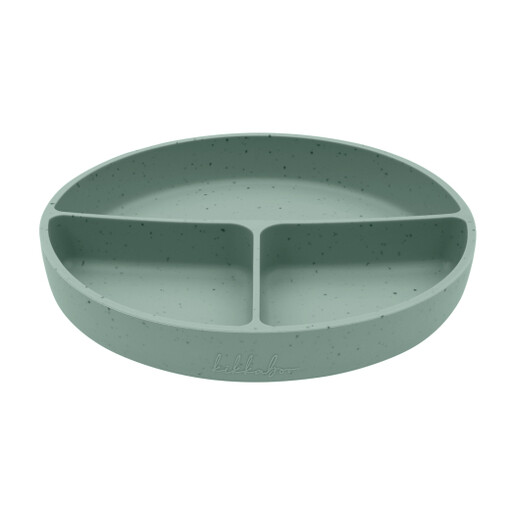
Why it suits this need: This plate is designed for babies aged 6 months and over. It combines three compartments with a suction base, making it suitable for first weaning portions and independent eating attempts.
The underside is designed for smooth, clean and dry surfaces. The material and temperature details are clearly specified.
100% food-grade platinum silicone, 600 ml capacity and, according to the product information, suitable for the dishwasher, microwave, freezer and steriliser.
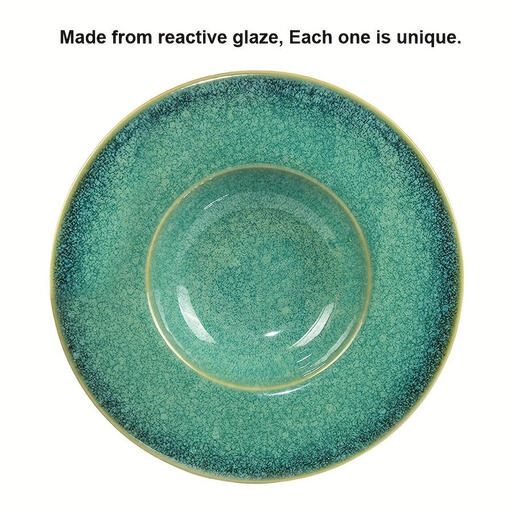
Why it suits this need: This porcelain plate is aimed at households, food businesses and anyone who prefers a decorative way to serve pasta, salads or main courses.
Its intended use is clearly distinct from that of a baby silicone plate: it has no suction base, but does come with specific guidance on microwave and dishwasher use and glaze care.
A 22.86 cm diameter, wide rim and shallow, deep-sided shape. According to the product information, it’s suitable for the microwave and dishwasher.
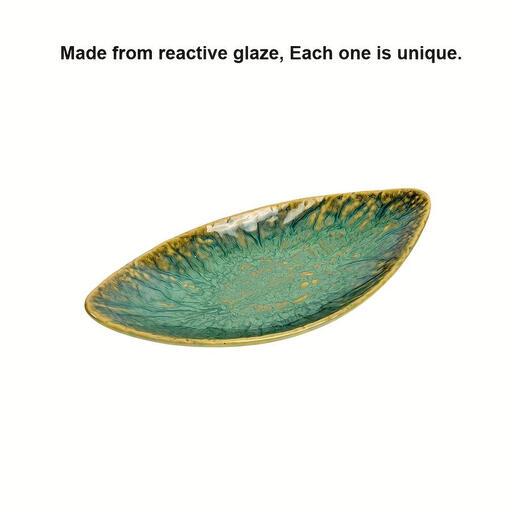
Why it suits this need: Its elongated shape works well for sushi, bread, pasta, salads and starters. That makes it a versatile choice for households and professional serving settings alike.
The product description identifies it as a serving plate and advises avoiding damage and contact with a hob or naked flame.
A porcelain body with a reactive glaze. According to the product information, it’s suitable for the microwave and dishwasher.
We’ve put together a complete, regularly updated list of products that meet these strict selection criteria and comply fully with the safety regulations in force in the EU.
Before placing a baby plate with a suction base on the table, clean the surface and make sure it’s completely dry. Before each meal, check:
Sharp knives can damage silicone. With porcelain, metal cutlery, abrasive cleaning products and sudden changes in temperature can all put stress on the glaze. Don’t continue using damaged products.
According to the product information, the Kikka Boo plates featured here are designed for babies aged 6 months and over. Your baby’s individual stage of development and the advice of their carer also matter. Always use the plate with an adult supervising directly.
Its lifespan depends on how it’s used, cleaned and stored. Check the plate regularly for cuts, cracks, sticky patches or other changes. Replace it as soon as you notice any signs of damage. It wouldn’t be possible to give a reliable one-size-fits-all estimate of how long it will last.
No. Dishwasher-safe and microwave-safe are different features. The product information must specifically confirm both. You should also follow the stated temperature limits and care instructions.