
Lieferung heute & morgen

Qualitätsgarantie

Willkommens-Angebote freischalten: KOSTENLOSE Lieferung | Bis zu 80 % RABATT | Kostenlose 30-Tage-JoyPlus-Testphase
App herunterladen
A baby playpen with play mat should create a defined play area for everyday use without taking up unnecessary space. Many products look similar at first glance, but differ considerably in terms of height adjustment, material information, cleaning and mobility. Focusing only on a soft insert or eye-catching design could mean overlooking important details.
A play mat can make the floor more comfortable, but it must fit fully inside the playpen or lie securely beside it. Overhanging edges can crease or become a trip hazard. For a 100x100 baby playpen, the insert should therefore match the internal dimensions as closely as possible.
With a separate baby play mat or crawling mat, it is also important to check whether it could slip beneath furniture, doors or the playpen. A non-slip play mat should be placed on a clean, level floor. Uneven surfaces, loose rugs and cables should not be in the play area.
A playpen suitable from birth requires a securely locked lying surface and use in accordance with the manufacturer’s instructions. Height adjustment is practical because it allows parents to place the baby inside more easily when the base is in a higher position. However, as soon as the child can pull themselves up or might climb out, use must be discontinued or the lowest position must be used, provided the manufacturer permits this.
Clear information is important regarding:
A playpen with castors is easier to move between the living area and bedroom. However, when stationary, the castors must be reliably locked. If there are no brakes, or if they are difficult to access, the playpen could move when a child leans against it or plays inside. Castors should therefore be assessed not only as a convenience feature, but together with their locking mechanism.
Wooden models should have sturdy joints, screws and side panels. For the roba model mentioned, development in accordance with EN 12227:2010-12 is specified. This standard covers safety-related requirements and test methods for playpens. However, a stated standard does not replace checking the product before every use.
Look out for:
A wooden playpen can appear durable thanks to its solid construction. Nevertheless, the actual weight and load capacity should still be compared with the manufacturer’s specifications.
For a mat, the material category, surface and cleaning instructions are particularly relevant. An EVA puzzle mat often consists of individual foam elements that can be connected and taken apart again. Before buying, check whether information is provided about the material, manufacturer, warnings and recommended age. For products intended for babies, parents should also follow the packaging and care instructions and allow new mats to air thoroughly before first use.
Textile inserts can be comfortable, but must be cleaned regularly. According to the product information, the textile insert in the roba Little Stars Playpen is machine-washable at 30 °C. The wooden frame should be cleaned with a damp cloth; abrasive cleaning products are not recommended.
A square model measuring 100 × 100 cm is suitable for many living areas, but requires sufficient distance from heaters, windows, blind cords and furniture. A play rug for a child’s bedroom can provide more space for older children, but is not automatically suitable as an insert for a playpen.
The Sombo mat measures 100 × 190 cm, making it more suitable for a larger clear floor area. A six-piece puzzle mat, by contrast, can be assembled and dismantled flexibly. Before buying, consider whether the mat will remain in place permanently or be stored away after playtime.
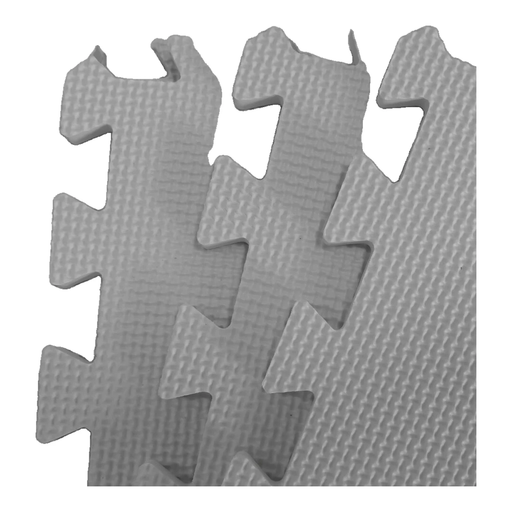
Why this product suits this profile: The six square pieces with edge sections can be connected to create a small, flexible play area and stored away again when needed.
The interlocking system allows the mat to be adapted to the available space. Before use, the connections should be fully closed and the material and warning information checked.
EVA foam, six 12-inch pieces and ten edge sections; according to the product information, it can be used without permanent assembly.

Why this product suits this profile: This sturdy wooden model combines a 100 × 100 cm play area with three lying heights and a textile insert.
The specifications state EN 12227:2010-12, three lockable height positions and four castors with brakes. This reduces reliance on a separately sized mat and unsecured castors.
Solid beech wood, three height positions, four castors with brakes and a washable textile insert; maximum load according to the specifications is 15 kg.

Why this product suits this profile: According to the product information, the long mat is intended for children aged two and over and is suitable for creative play with vehicles or figures.
The age recommendation distinguishes it from a baby playpen. The mat is rolled up for storage and cleaned with a damp cloth, rather than being used as a fixed infant insert.
Reversible design with road and animal motifs, dimensions of 100 × 190 cm and a polyester surface according to the product description.
We have put together a complete, regularly updated list of products that fully meet these strict selection criteria and the safety regulations applicable in the EU.
Before first use, the playpen should be fully assembled according to the instructions. Then check:
A playpen must not be placed on raised surfaces. Depending on the design, additional cushions, mattresses or loose blankets could create a risk of entrapment or suffocation and should only be used if they are expressly intended for the product.
The product’s useful life does not depend on age alone. For the roba model, the stated suitability ends at around 24 months, at 15 kg or as soon as the child can climb out – whichever comes first. For mats, visible cracks, lifting edges, permanent deformation or damaged interlocking connections are all reasons to replace the product.
A 100x100 baby playpen offers a square play area of one square metre and is practical for many homes. However, the internal dimensions, the available floor space and whether a suitable insert is included are the key considerations.
That depends on the design and the manufacturer’s specifications. A suitable height position, secure locking mechanisms and an appropriate lying surface are required. As soon as the child can climb or reaches the permitted weight limit, use must be discontinued.
With regular use, the material, cleaning and storage conditions all affect its lifespan. A foldable play mat should be stored dry and without sharp creases. With an EVA puzzle mat, the connections should be checked regularly. Damaged or heavily deformed pieces should no longer be used.