
Lieferung heute & morgen

Qualitätsgarantie

Willkommens-Angebote freischalten: KOSTENLOSE Lieferung | Bis zu 80 % RABATT | Kostenlose 30-Tage-JoyPlus-Testphase
App herunterladen
By a Joybuy Product Recommendation Officer, August 28, 2026
Choosing the right baby porridge can be a challenge for parents. The market is vast, and packaging often promises more than it delivers. The search for baby porridge with no added sugar in particular can quickly lead to confusing claims. The goal of this guide is to provide you with clear, factual information so you can make an informed decision for your child's nutrition.
Many products are advertised with a "no added sugar" label, but a closer look at the ingredients list is essential. Here are two common marketing practices that can lead to the wrong purchasing decision:
To ensure you select a nutritious and suitable porridge for starting solids, you should check three core parameters.
The most important source of information is always the ingredients list, not the front of the package. Pay attention to the following points:
Baby porridges can be divided into three main categories, each serving a different nutritional purpose:
The age recommendations on the packaging (e.g., "from 5 months") are legally regulated minimums. The individual timing for starting solids depends on your child's development. An organic baby porridge, identifiable by the EU organic seal, guarantees that the agricultural ingredients come from organic farming and that strict production guidelines have been followed.
Here is a selection of products tailored to the different requirements of parents.
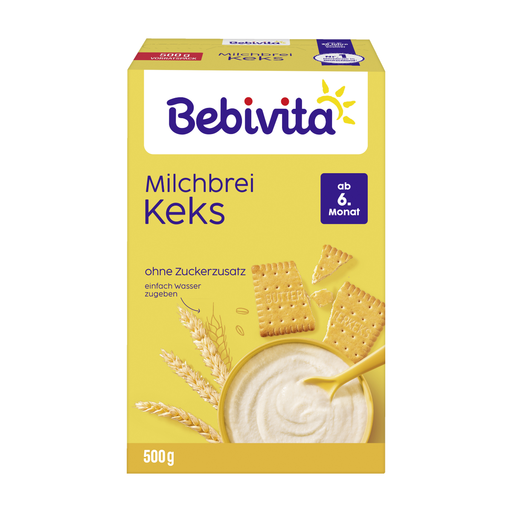
Why this product is a good fit: Ideal for parents looking for a simple and filling complete meal. As a milk porridge, it only needs to be mixed with water, which saves time and effort.
The product contains no added sugar or sweetening juice concentrates. The sweetness comes from natural ingredients like milk and cereal, which is transparently declared.
Quick and easy preparation as a complete meal. Fortified with calcium, iron, and vitamin D to support nutrient supply.
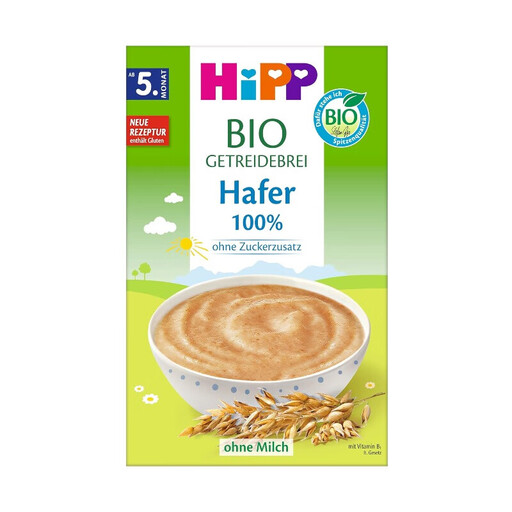
Why this product is a good fit: For parents who want maximum control and purity. This pure baby cereal porridge consists exclusively of organic whole-grain oats and can be prepared as desired.
Since the product contains only a single ingredient (100% oat flour), there are no hidden sweeteners. The "misleading wholesomeness" trap is avoided by using 100% organic whole grains.
Maximum flexibility: Can be prepared as a dairy-free porridge with water and fruit or as a milk-cereal porridge with infant formula. Pure organic quality.
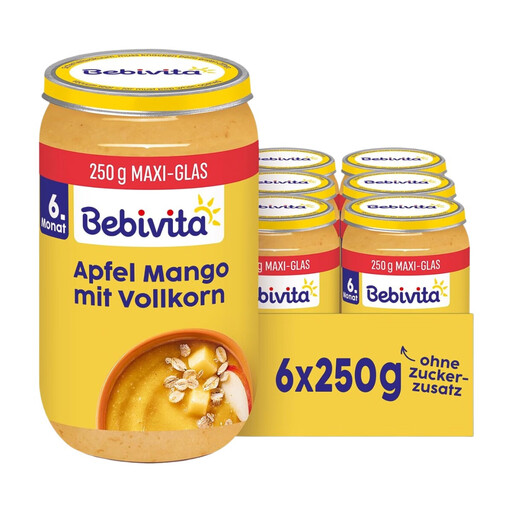
Why this product is a good fit: A ready-to-eat option for active families. This baby porridge in a jar combines fruits with whole grains and is ideal as a nutritious snack on the go.
No sugar is added; the sweetness comes exclusively from the fruits (47% apple, 14% mango). The addition of whole-wheat and oat flakes ensures a balanced meal.
No preparation required, can be spooned directly from the jar. The ingredients are from organic farming and are tailored to the needs of babies from 6 months.
We've compiled a complete, up-to-date list of products that fully meet these strict selection criteria and regulations.
The most reliable way is to check the ingredients list on the back of the package. Make sure that no terms like sugar, glucose, fructose, dextrose, maltodextrin, or fruit juice concentrates are listed. The statement "contains naturally occurring sugars" is normal and harmless for products with fruit or milk content, as long as no concentrated sweeteners have been added.
The general recommendation for starting solids is between the beginning of the 5th and 7th month of life. More important than the exact age are your child's individual signs of readiness: they can hold their head up independently, show interest in food, and the tongue-thrust reflex, which pushes solid food out of the mouth, has diminished. Start with mild, pure cereals like rice or oats.
Both options have their merits. Instant porridge is often more cost-effective, produces less packaging waste, and offers more flexibility, as you can prepare it with water, infant formula, or breast milk. Porridge in a jar, on the other hand, is extremely convenient as it is ready-to-eat and ideal for on the go or for days when you need a quick meal. A combination of both can be very practical in daily life.