
Lieferung heute & morgen

Qualitätsgarantie

Willkommens-Angebote freischalten: KOSTENLOSE Lieferung | Bis zu 80 % RABATT | Kostenlose 30-Tage-JoyPlus-Testphase
App herunterladen
The initial layette for a newborn can seem straightforward. In practice, however, the details determine whether a product really works in everyday life. Three common buying mistakes often lead to unnecessary spending:
With baby products for newborns, parents should therefore pay attention not just to colour and features, but to the duration of use, dimensions, cleaning and safety limits.
A cot, bedside crib or baby crib should have a suitable, firm mattress with no gaps. Extra pillows, thick blankets, bumpers or soft toys do not belong in the sleep area, as they can interfere with free breathing. The manufacturer's instructions on maximum weight and duration of use are binding.
With a bedside crib, it is also crucial how it is attached to the parents' bed. An adjustable frame can make fitting easier, but it does not replace the need to check that all locks are engaged and that no gap exists between the sleeping surfaces.
For a baby bottle for newborns, a slow or controlled flow is often more practical than a fast teat. Bottles with a wide neck are usually easier to take apart and clean. A model labelled as an anti-colic bottle should be judged on its specific valve system. The name alone is not proof of effectiveness.
Before each use, teats should be checked for cracks, deformation and porous areas. Bottles must be cleaned and, if necessary, sterilised according to the manufacturer's instructions. Important: not every bottle is suitable for the microwave. The instructions can even vary within the same product range.
A dummy, comfort blanket or bib must be checked regularly for loose seams, detachable small parts and damage. Dummies must not be attached to ribbons, cords or chains. A bib should be removed during sleep.
For the baby layette, machine-washable materials and clear care instructions are practical. With products containing polyester, plush or filling, parents should also check whether the entire construction is suitable for the intended age and whether small parts are accessible.
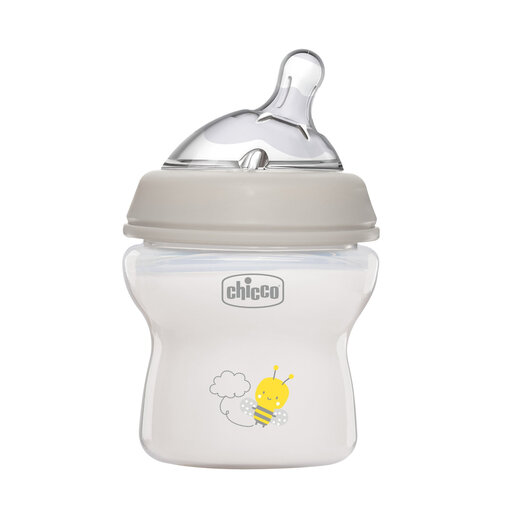
Why this product fits the profile: The 150ml bottle is suitable for parents who want a manageable size for those first feeds. The slow flow is, according to the product information, intended for newborns and younger babies.
The details specifically mention a double valve, a slow teat and a wide neck. This makes it easier to assess the advertised features than with a simple anti-colic label.
BPA-free plastic, silicone teat, dishwasher-safe; according to the product information, not suitable for the microwave.
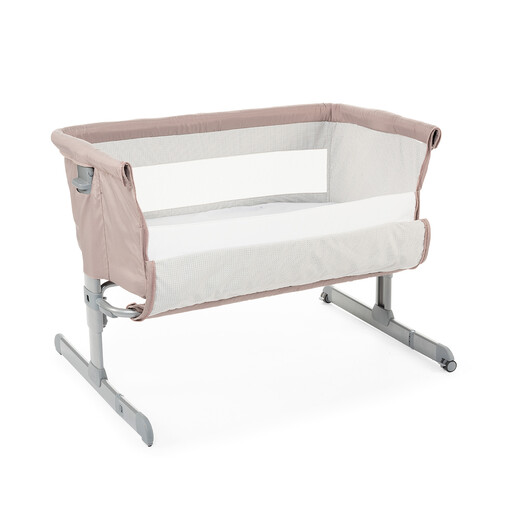
Why this product fits the profile: This bedside crib is aimed at parents who want to set up a separate sleeping environment right next to their own bed. Six height settings make it easier to adjust to different bed frames.
The attachment with a safety strap and the explicit instruction to check for gaps address a key risk with bedside cribs. Use ends, according to the information, at 9 kg or as soon as the child can sit up, kneel or stand unaided.
Mesh window, six height settings, two lockable wheels and a removable mattress cover.
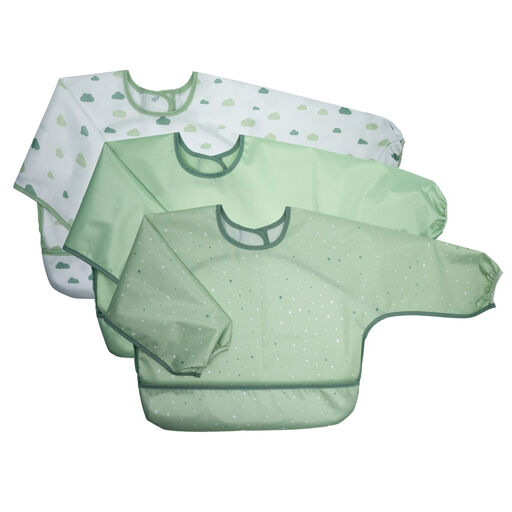
Why this product fits the profile: These long-sleeved baby bibs are designed for the weaning stage from 6 to 24 months. Having three bibs makes it easier to swap them out for several meals a day.
Water-repellent polyester, sleeves and a catch pocket are specifically mentioned. This reduces the drawback of simple bibs that only partially cover clothes and laps during meals.
Pack of three, Velcro fastening, machine-washable and, according to the product information, certified to Oeko-Tex Standard 100.
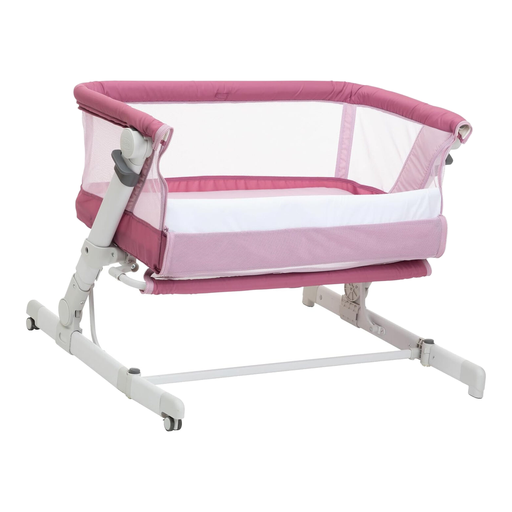
Why this product fits the profile: This travel bedside crib is ideal for families who want to use the sleep space flexibly around the home or on short trips.
The usage limit is clearly stated: a maximum of 9 kg or until the baby can sit up, roll over or reach the corresponding developmental stage. This prevents it from being used for too long.
Aluminium frame, mesh window, height-adjustable, removable cover washable at 30 °C; also intended for use as a separate sleep or play area.
We have put together a complete, regularly updated list of products that fully meet these strict selection criteria and the safety regulations in force in the EU.
Before buying baby products for newborns, this quick check is worthwhile:
The basic essentials include a suitable sleep space, appropriate clothing, nappy supplies, some muslin cloths and, depending on the feeding method, a baby bottle and accessories. Dummies, comfort blankets and additional toys are not mandatory. Fewer, easy-to-care-for products can simplify daily life.
This depends on the specific model. Use often ends at a certain weight or as soon as the child can sit up, roll over, kneel or pull themselves up. This limit should not be exceeded in favour of a longer period of use. With every bedside crib, the attachment, locks and distance to the parents' bed must also be checked regularly.
In addition to the purchase price, costs arise from replacement teats, extra bottles, cleaning products, washing cycles and, if necessary, new textiles. Especially with products for the first few months of life, the period of use is often limited. A low individual price is therefore not automatically the most economical solution; pack size, availability of spare parts and care effort should all be included in the comparison.