
Lieferung heute & morgen

Qualitätsgarantie

Willkommens-Angebote freischalten: KOSTENLOSE Lieferung | Bis zu 80 % RABATT | Kostenlose 30-Tage-JoyPlus-Testphase
App herunterladen
Choosing a baby's first toy can be a daunting task for parents. The market offers a wealth of options, but which products are safe, age-appropriate, and effectively support your child's development? As a Joybuy Product Recommendation Officer, my mission is to provide you with objective, practical information so you can make an informed decision for your child. This article highlights key criteria for selecting motor skills toys and presents several specific product recommendations.
Before you make a decision, there are a few fundamental aspects to consider. These criteria will help you find a suitable and safe first toy for your baby.
Safety is the top priority. Look for the CE marking, which confirms that the product meets EU safety standards. The materials should be durable, saliva-resistant, and free from harmful substances like BPA. Toys for infants will inevitably end up in their mouths, so non-toxic paints and materials are crucial. There should be no small parts that could detach and pose a choking hazard.
In the first few months of life, a baby develops fundamental motor skills. A good motor skills toy is tailored to this developmental stage. For infants from 3 months, toys that encourage grasping, holding, and hand-eye coordination are particularly suitable. A lightweight grasping toy or a baby rattle with interesting surface textures can spark curiosity and train tactile perception. This sensory toy is designed to promote fine motor skills by motivating the child to purposefully reach for and explore objects.
Baby toys should be easy to clean. Since they frequently come into contact with a baby's mouth, regular cleaning is essential. Check the manufacturer's care instructions. Many fabric toys are machine-washable, while plastic or wooden toys can usually be cleaned with a damp cloth and a mild soap solution.
Based on the criteria mentioned, we have compiled a selection of products that are distinguished by their specific benefits for early childhood development.
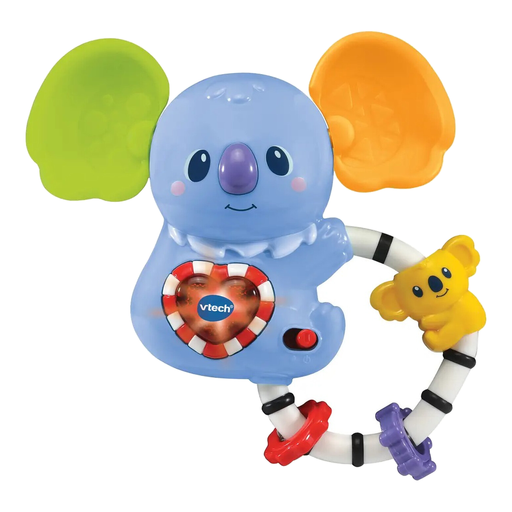
Why it stands out The interactive Koala Rattle from VTech combines classic rattle elements with electronic features. It talks, sings, and makes sounds, engaging the baby's auditory perception. A motion sensor and a light-up heart provide additional visual and acoustic stimuli.
Benefits
Who is it for? This toy is a great choice for parents looking for an interactive baby toy for ages 3 months and up that stimulates multiple senses at once and goes beyond simple rattle sounds.
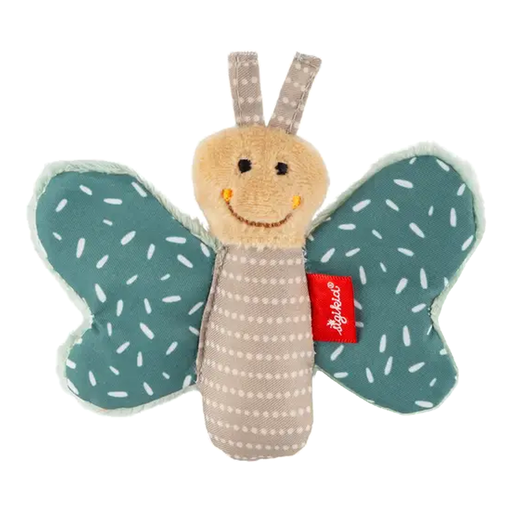
Why it stands out The Sigikid butterfly-shaped grasping toy is a classic sensory toy made from soft fabric. Crinkle paper is sewn into the wings, creating an interesting sound upon touch. The mix of materials offers various tactile sensations for little hands.
Benefits
Who is it for? This grasping toy is ideal for parents who prefer a simple, non-electronic fabric toy. It's an excellent choice as one of the first toys to promote the senses of touch and hearing.
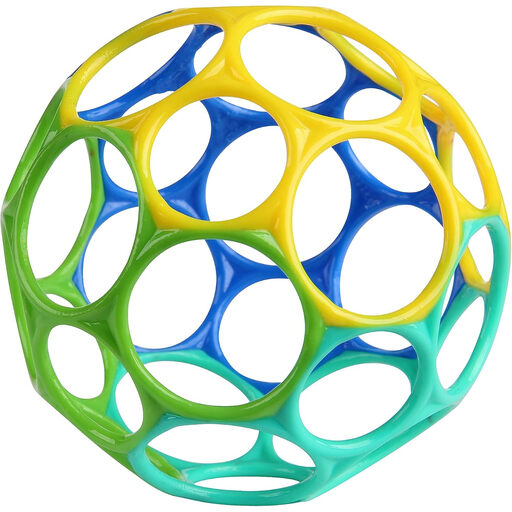
Why it stands out The Oball Classic is a renowned play ball for babies, specifically designed for easy grasping. With its 32 finger holes, even inexperienced baby hands can effortlessly catch, hold, and explore the ball.
Benefits
Who is it for? The Oball is a fundamental toy for promoting fine motor skills. It is an excellent choice for any parent seeking a simple yet highly effective tool to support their child's grasping abilities right from birth.
Our selection represents just a small sample of the available options. Every baby develops individually and has unique preferences. If you'd like to explore more options focused on promoting early motor skills, you can find a wider range of developmental toys in our Grasping Toys category.
Targeted motor skills toys are beneficial from around three months of age, when babies begin to consciously reach for objects. However, simple and lightweight grasping toys can be introduced even earlier to provide initial tactile experiences and start developing hand-eye coordination.
Look for the CE marking, compliance with the European toy safety standard EN 71, and check the toy for any small parts that could be swallowed. Materials should be non-toxic (e.g., BPA-free), saliva-resistant, and durable enough to withstand intensive use by a baby.
The cleaning method depends on the material. Toys made of plastic, silicone, or wood can usually be wiped down with warm water and mild soap. For fabric toys, you should follow the manufacturer's washing instructions; many products are machine-washable. Regular cleaning is important, as babies often put toys in their mouths.