
Lieferung heute & morgen

Qualitätsgarantie

Willkommens-Angebote freischalten: KOSTENLOSE Lieferung | Bis zu 80 % RABATT | Kostenlose 30-Tage-JoyPlus-Testphase
App herunterladen
The range of baby care products is vast, and choosing the right baby shampoo can quickly become overwhelming for parents. Packaging promises gentle care and happy bath times, but not every product delivers on its promise. To help you avoid marketing traps and make an informed choice for your child's sensitive skin, we've summarised the most important criteria and common misconceptions.
Many products are designed to appeal to parents, but their formulas are not always optimal for delicate baby skin. Pay attention to these three points to avoid making the wrong purchase.
Instead of being swayed by advertising claims, you should base your decision on objective product features. These three parameters are essential for good skin compatibility.
Surfactants are responsible for the cleaning effect. Aggressive sulphates like Sodium Laureth Sulfate (SLES) or Sodium Lauryl Sulfate (SLS) can attack the skin's delicate acid mantle and dry it out. A high-quality mild baby wash relies on gentler alternatives.
A baby's skin is thinner than an adult's, and its natural acid mantle is not yet fully developed. A shampoo for sensitive scalps should have a pH of around 5.5. This slightly acidic value supports the skin barrier and protects it from drying out and from germs.
The International Nomenclature of Cosmetic Ingredients (INCI) list on the back of the product provides reliable information about its composition.
For older children, a 2-in-1 shampoo and body wash for kids can be a convenient solution, as long as the ingredients remain mild and nourishing.
Based on the criteria above, we have identified several products suitable for different requirements and age groups.
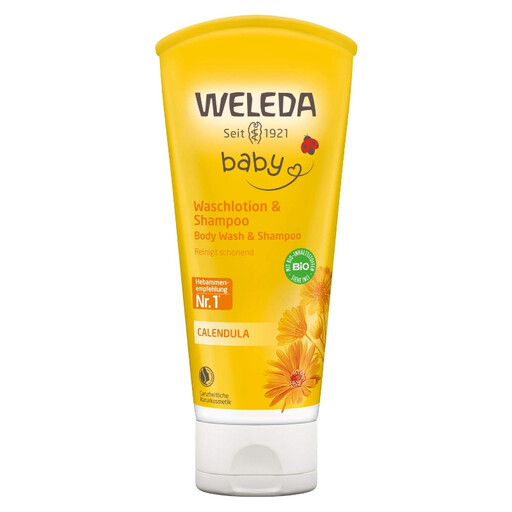
Why This Fits Their Persona: Ideal for parents who want certified natural cosmetics with organically grown ingredients for their baby's extra-sensitive skin, right from birth.
Avoids the "natural cosmetics" trap with reliable NATRUE certification and a transparent declaration of ingredients like organic calendula extract.
Contains replenishing organic sesame oil and almond oil to protect the skin from drying out. Excellent skin compatibility, even for highly sensitive skin.
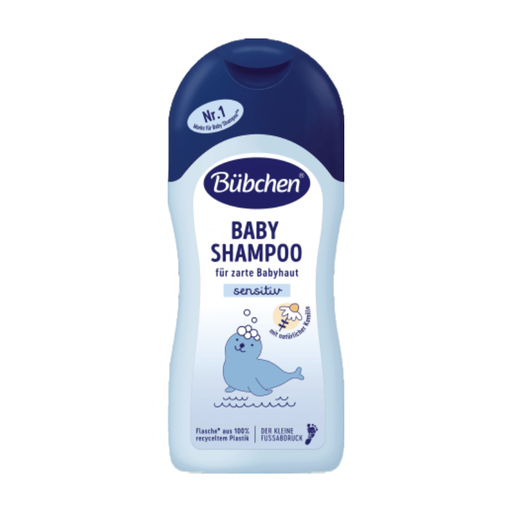
Why This Fits Their Persona: A proven and practical choice for the daily, gentle cleansing of hair and scalp for babies and toddlers, where excellent value for money is a priority.
Focuses on a pH-balanced formula with mild ingredients like chamomile and wheat protein, and deliberately avoids allergenic fragrances and dyes.
The mild formula is designed to minimise eye irritation. The vegan recipe with panthenol nourishes the skin and provides moisture.
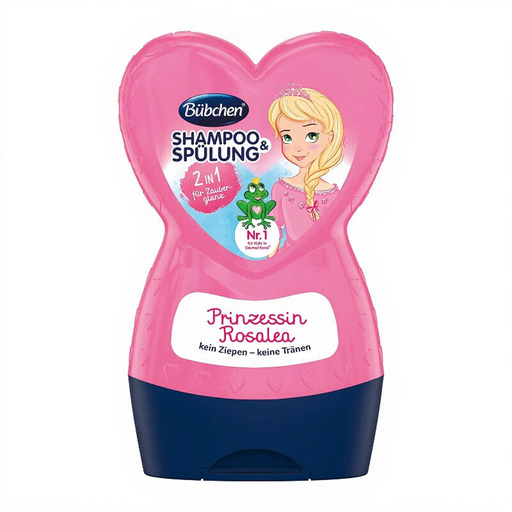
Why This Fits Their Persona: Specifically for parents of children with longer hair who are looking for a 2-in-1 solution to make post-wash combing less painful and to simplify hair care.
Solves a specific problem (tangles) with a functional ingredient (conditioner), rather than just advertising with a playful scent or colourful packaging.
Combines shampoo and conditioner in one step, saving time and tears during hair care. The formula with wheat protein and aloe vera provides additional nourishment for the hair.
We have compiled a complete, up-to-date list of products that fully meet these strict selection criteria and safety standards.
For newborns and infants, washing their hair once or twice a week is usually sufficient to avoid drying out the scalp. For more active babies and toddlers who sweat more or get dirty, hair can be washed two to three times a week as needed. In this case, less is often more.
Yes, for toddlers and older children, a 2-in-1 shampoo and body wash for kids is a very practical option as it simplifies the bath routine. The formulas are tailored to the needs of children's skin. However, for newborns with their particularly sensitive skin, separate, highly specialised products for skin and hair may be more beneficial.
There is no fixed time for making the switch. The transition depends on the individual development of your child's hair and skin. When hair becomes thicker, longer, or more prone to tangles, a kids' shampoo, which often has additional conditioning or detangling properties, can be a sensible choice. When you do switch, continue to look for a mild, skin-friendly formula.