
Lieferung heute & morgen

Qualitätsgarantie

Willkommens-Angebote freischalten: KOSTENLOSE Lieferung | Bis zu 80 % RABATT | Kostenlose 30-Tage-JoyPlus-Testphase
App herunterladen
Dry cheeks, rough patches or sensitive skin in the nappy area can quickly make the search for the right product confusing. Many creams promise “intensive care”, natural ingredients or dermatological testing. However, these claims do not automatically mean that a baby skincare cream is suitable for every child or every area of the body.
A lightweight body lotion serves a different purpose from a rich protective cream for the nappy area. A baby face cream should be easy to apply and must not get into the eyes. A baby nappy rash cream, on the other hand, is generally designed to form a protective film and provide a stronger barrier effect.
Plant oils and extracts may be appealing for natural baby skincare. However, they can also contain fragrance components or plant substances that may be relevant to allergy sufferers. The complete ingredients list on the packaging is therefore what matters – not simply the terms “natural” or “organic”.
“Dermatologically tested” refers to a skin compatibility test carried out as stated by the supplier. It does not mean that every skin reaction has been ruled out. If your baby has sensitive skin, a small patch test is recommended. If redness, swelling, itching or weeping areas persist, stop using the product and seek medical advice.
For everyday baby skincare on the body, lotions with a lightweight texture that spreads easily are practical. A baby moisturiser or baby body cream with a higher oil content may be suitable for dry patches, but it may leave a noticeable protective film.
For the face, the cream should be specifically intended for this use. When choosing a skincare cream for dry baby skin, it is also important to check whether it can be used from birth or only from a certain age.
Pay particular attention to:
Ingredients can change. You should therefore always rely on the current product packaging before buying.
A 75-ml tub fits easily into a changing bag, while 200- or 400-ml packs need to be replaced less often when used for daily body care. Also check the best-before date, the symbol indicating how long the product can be used after opening, and the storage instructions. Creams should be kept closed, dry and protected from direct sunlight.
The following recommendations do not rank the products in a general order. Instead, they group them by intended use, pack size and the product features stated by the supplier.
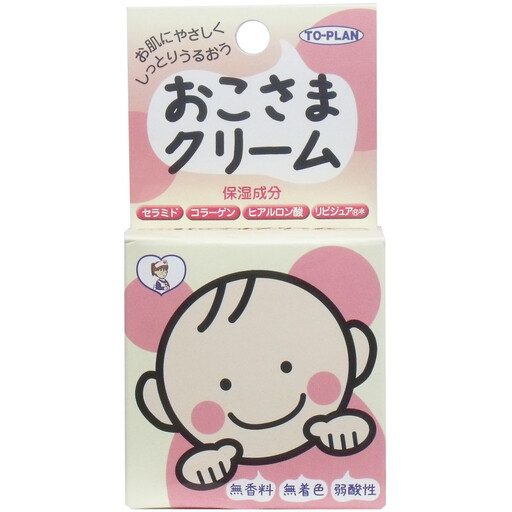
Why this product suits this profile: The compact 30-g pack is ideal for trying the product, taking it with you or keeping as an extra in the changing bag. It is intended for use on the face and body and can also be used by adults with dry or sensitive skin.
The manageable quantity reduces the risk of buying a large pack with a texture that is not suitable. The product information states that the formula is fragrance-free, colourant-free and mildly acidic.
30 g contents; suitable for use on the face and body; ceramides, glycerine and sodium hyaluronate according to the product information.
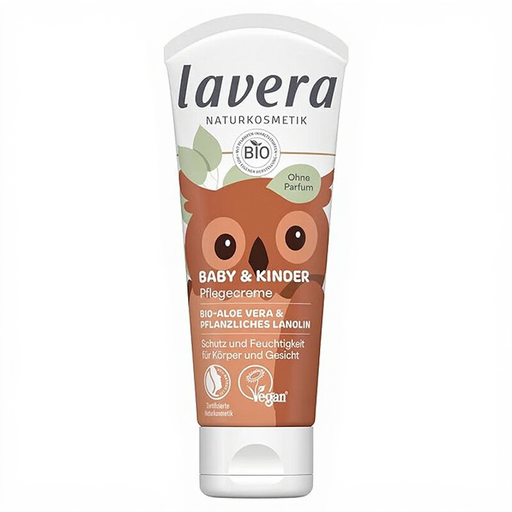
Why this product suits this profile: This cream is intended for babies, toddlers and children with sensitive skin. Its stated certified organic formula appeals to buyers who consider specific sourcing and ingredient criteria when choosing skincare.
The product information explicitly states that it contains no preservatives, mineral oils or parabens. A patch test before first use is still advisable.
75 ml contents; aloe vera, soya and grapeseed oil, as well as camomile extract, according to the product description; dermatologically tested.
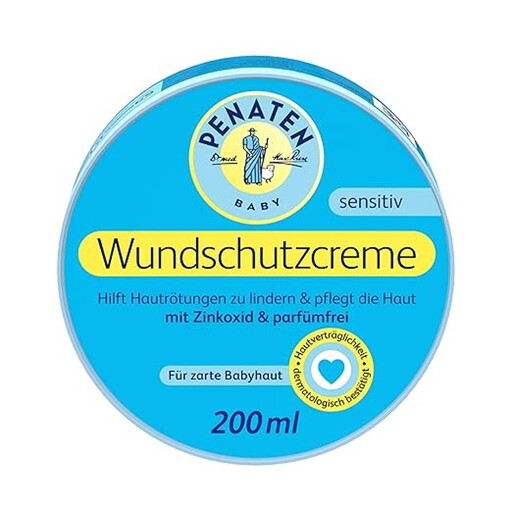
Why this product suits this profile: This cream is intended for routine care in the nappy area. That makes it a good option for families looking for a clearly targeted baby nappy rash cream rather than just a general moisturiser.
Its intended use and zinc oxide content make it clearer where the cream is designed to be used. It is not a substitute for having persistent skin changes assessed.
200 ml contents; zinc oxide, shea butter and lanolin according to the product information; stated as suitable for use from birth.
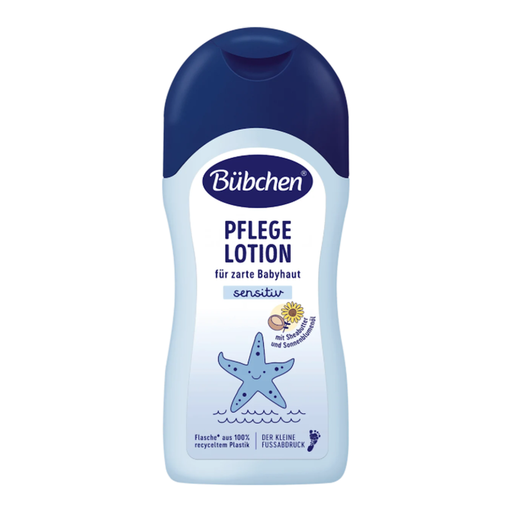
Why this product suits this profile: The 400-ml size is designed for regular body care after bathing or washing. According to the product description, the lotion is also suitable for adults with sensitive skin.
The lotion is positioned as a body-care product, not as a nappy-area or face product. This makes it easier to match its intended use to its texture.
400 ml contents; shea butter and sunflower oil according to the description; stated as suitable from birth.
We have put together a complete, regularly updated list of products that fully meet these strict selection criteria and the safety regulations applicable in the EU.
This depends on the area of the body, the child’s age and the condition of their skin. Lotions or rich body creams are commonly used on the body. For the face, use a baby face cream specifically intended for that area. If skin changes persist or look unusual, it is advisable to seek a medical assessment.
For healthy skin, applying cream as needed is usually sufficient – for example, after bathing or when dryness is visible. A thin layer is easier to spread than a large amount. In the nappy area, the skin should be clean and dry first.
The jar symbol on the packaging is the key reference point – for example, “12M” means twelve months after opening. If the smell, colour or consistency changes, stop using the product. Creams should not be stored in direct sunlight or excessive heat.