
Lieferung heute & morgen

Qualitätsgarantie

Willkommens-Angebote freischalten: KOSTENLOSE Lieferung | Bis zu 80 % RABATT | Kostenlose 30-Tage-JoyPlus-Testphase
App herunterladen
Baby skin is often more sensitive than adult skin to rubbing, cold, dry indoor air and unnecessary fragrances. When choosing baby skincare, it’s less about big marketing claims and more about finding the right product for the job, checking the INCI list and following clear instructions.
Plant-based ingredients such as calendula, camomile or almond oil can be part of a gentle formula. However, they don’t rule out individual sensitivities. Natural fragrance ingredients may also appear in the ingredients list as limonene, linalool, geraniol or citral, for example. If allergies are common in your family, check the formula particularly carefully.
A lightweight baby lotion for the body isn’t the same as a rich nappy rash cream for the nappy area or a water-free wind and weather balm for babies. If you search only for ‘baby cream’, you may overlook the texture, intended use and age guidance.
This term describes testing for skin compatibility under certain conditions; it isn’t a blanket promise that a product will suit every skin type or situation. Parents should also look for claims such as ‘no parabens’, ‘no colourants’, ‘no alcohol’ or ‘fragrance-free’, and check these against the full INCI list. For some products, marketing claims and ingredient details may differ. Always follow the information on the packaging of the product you receive.
Before you buy, be clear about what you need the product for:
Look for a full ingredients list and check for familiar ingredients. Glycerin is often used to help retain moisture. Depending on the formula, panthenol, shea butter, plant oils or aloe vera extract may help care for the skin. These ingredients don’t, however, make any therapeutic claims.
If your baby has sensitive skin, a fragrance-free formula may be a good choice. If a product contains fragrance or essential oils, take any family allergies into account. Testing a small amount on a limited area of skin before applying it more widely can also help you assess how well it’s tolerated.
The age recommendation is an essential factor when choosing a product. According to the product information, some products are suitable from birth, while others are intended for use from a certain age in months. Skincare products are for external use only. Avoid contact with the eyes and mouth. If redness persists, the skin becomes weepy or broken, or the condition gets noticeably worse, seek medical advice.
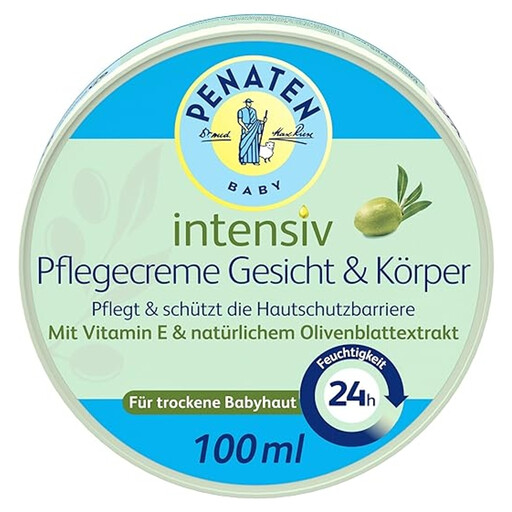
Why this product suits this profile: This 100 ml cream is intended for the face and body, making it a good option for parents looking for one product to care for dry patches.
The clear indication that it’s for the face and body helps you distinguish it from a general lotion or an unsuitable specialist product. Check the age guidance and current INCI list before buying.
100 ml, for face and body; according to the product information, it’s alcohol-free and contains no parabens or colourants.
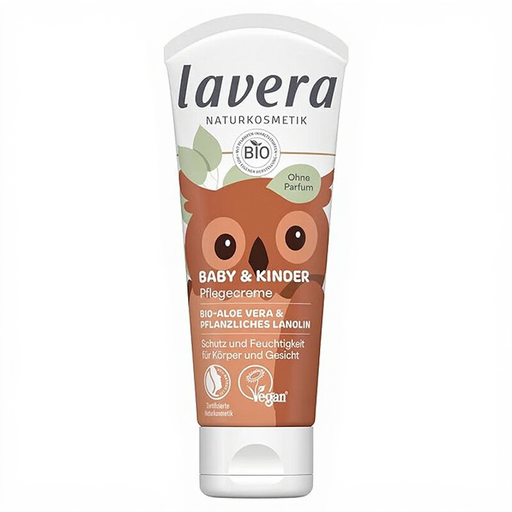
Why this product suits this profile: According to the product description, this 75 ml cream is designed for the sensitive skin of babies, toddlers and children, and contains certified organic ingredients.
The information about certification, formula and skin type gives you specific details to check, rather than just a vague claim that it’s ‘gentle’.
75 ml, dermatologically tested; according to the product description, it contains no preservatives, mineral oils or parabens.
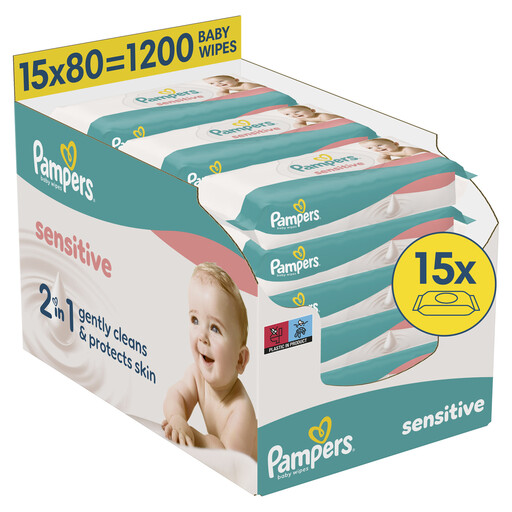
Why this product suits this profile: The bulk pack of 1,200 wipes is ideal for families who regularly need wipes at home and when out and about.
The product information specifically states 0% alcohol and fragrance. However, stop using the wipes if you notice any changes to your baby’s skin.
15 packs of 80 wipes each; according to the product information, they’re dermatologically tested and suitable from day one.
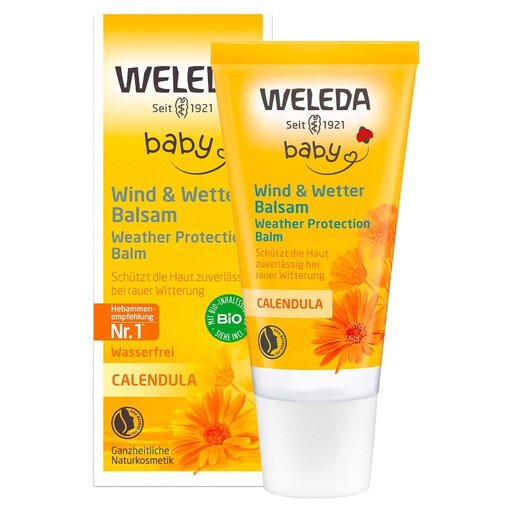
Why this product suits this profile: This water-free balm is designed for the face and hands in cold or windy weather, and complements your baby’s everyday moisturising routine.
Calling it a water-free balm makes it clear how it differs from a light lotion. If you have allergies to plants in the daisy family or to fragrance ingredients, check the INCI list.
30 ml, water-free formula; according to the product information, it’s suitable from birth and certified as natural cosmetics.
Healthy skin doesn’t necessarily need cream after every wash. For dry patches, you can apply a thin layer of a suitable cream for sensitive baby skin. After bathing, gently pat the skin dry and apply skincare as needed, depending on its condition. Applying cream too often or in very thick layers may be unnecessary.
A nappy rash cream specifically designed for the nappy area is more suitable than a general face and body cream. The area should be clean and dry. A thin layer is usually enough. If the skin is broken, weepy or persistently red, seek medical advice before using the product.
Check the PAO symbol on the packaging, such as ‘6M’ or ‘12M’. It shows how many months the product should be used for after opening. Also check its smell, colour and consistency, and make sure you use it hygienically. If the product changes noticeably or has been exposed to high temperatures, don’t use it on your baby’s skin.