
Lieferung heute & morgen

Qualitätsgarantie

Willkommens-Angebote freischalten: KOSTENLOSE Lieferung | Bis zu 80 % RABATT | Kostenlose 30-Tage-JoyPlus-Testphase
App herunterladen
Baby skin does not automatically need lots of skincare products. Often, a small selection suited to the skin’s condition, intended use and time of year is all that is required. When it comes to baby skincare, it is therefore less about advertising claims and more about clear, understandable product features.
Plant oils, calendula and camomile are often highlighted. They can be part of natural baby skincare, but are not equally suitable for every child. Natural fragrances can also irritate sensitive skin. If you are looking for a fragrance-free baby cream, you should therefore check the complete INCI list rather than just the front of the packaging.
A rich baby body cream may be suitable for dry arms or legs, while the nappy area requires different properties. Nappy rash cream for babies often contains film-forming ingredients such as zinc oxide or waxes. These can help keep moisture away from direct contact with the skin. However, this type of protective layer is not always necessary for daily facial care.
This statement describes a test carried out under specific conditions. It does not guarantee that every baby will tolerate the product. If your baby is prone to allergies, has unusual-looking patches of skin or experiences recurring problems, you should discuss your choice with a paediatrician or dermatology specialist.
A lightweight baby lotion is practical for daily care after bathing or washing. It is easy to apply over larger areas and is particularly suitable for normal to slightly dry skin. A baby moisturising cream is usually richer and makes sense when individual areas need more nourishment or protection.
For the face and body, you could choose a dedicated baby face cream or a suitable combination cream. In cold and windy weather, low-water or water-free protective balms are one possible option. Apply them a few minutes before going outside so that the product has time to absorb.
Pay attention to the specific ingredients list:
A baby cream with calendula is not automatically fragrance-free. Conversely, a cream without fragrance may still contain other ingredients that your baby does not tolerate individually.
Large 400-ml bottles are suitable for regular body care, while 30- to 75-ml tubes or pots are practical for a changing bag. If you use creams in a pot, hygienic application is important. Your hands should be clean before use. Also check the best-before date or the symbol indicating how long the product can be used after opening.
Cosmetic products should not replace medical assessment when skin is irritated or injured. If the skin becomes worse or redness persists, it is advisable to seek medical advice.
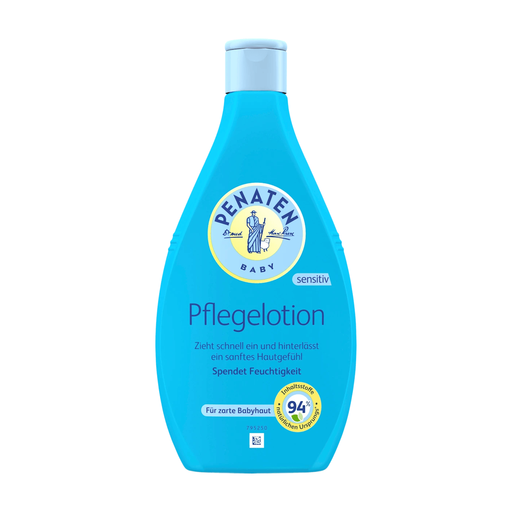
Why this product suits this profile: The 400-ml size is designed for regular body care. According to the product information, the lotion is intended for babies’ sensitive skin and absorbs quickly.
The lotion is clearly positioned as a body-care product and does not need to be repurposed for the nappy area.
Large volume, lightweight lotion texture and, according to the product description, free from preservatives and colourants.
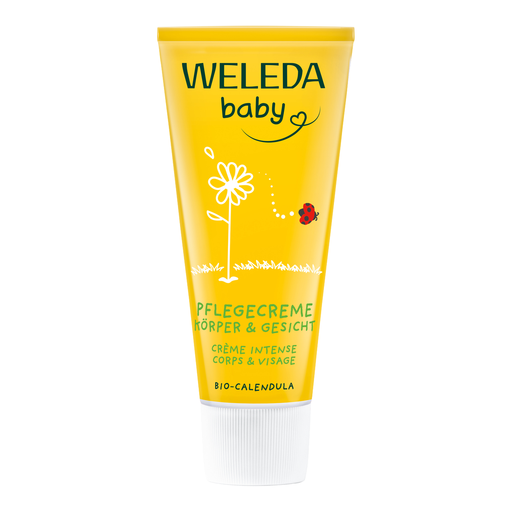
Why this product suits this profile: If you are looking for a rich cream for dry skin on the face and body, this product contains calendula and lanolin for targeted care.
The product name explicitly mentions the face and body, making its intended area of use easier to assess.
75 ml content, rich texture and calendula listed as an ingredient; according to the product information, it contains no zinc oxide.
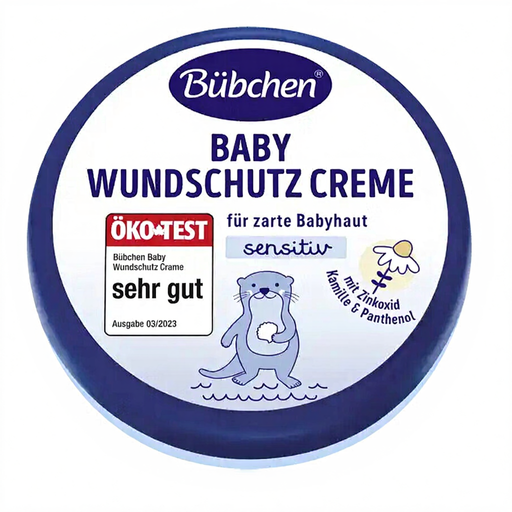
Why this product suits this profile: For families that regularly use nappy rash cream in the changing area, the 150-ml pot provides a practical everyday quantity.
The formula is intended for the nappy area and contains zinc oxide, rather than needing to replace a general body lotion.
According to the product information, it contains zinc oxide, camomile and panthenol; dermatologically confirmed skin compatibility is also stated.
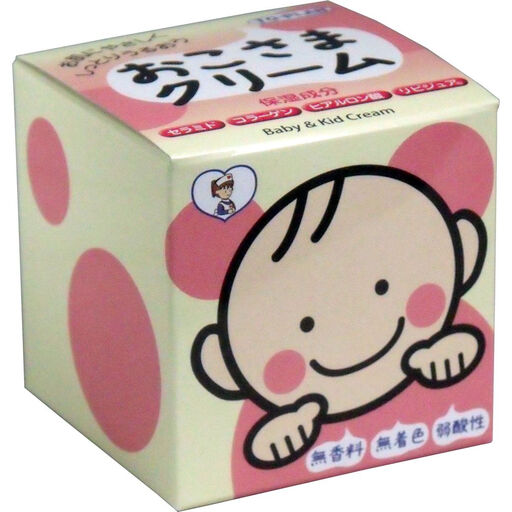
Why this product suits this profile: According to the product description, this cream is fragrance-free and colourant-free, and is intended for the face and body. This can make choosing easier for families with clear exclusion criteria.
The specific labelling helps avoid the common misconception that “natural automatically means fragrance-free”.
Ceramides, glycerin and hyaluronic acid are included in the stated INCI list; the texture is described as non-sticky.
We have put together a complete, regularly updated list of products that fully meet these strict selection criteria and the safety regulations applicable in the EU.
Daily application is not essential if the skin appears normal. After bathing or washing, a lightweight baby lotion can be applied to dry areas. Rich creams are more suitable for targeted use or visibly dry skin. Start with a small amount and observe how the skin reacts.
The key factors are the specific condition of the skin and the ingredients list. A fragrance-free baby cream may be useful if you want to avoid fragrances. For the face and body, consider products with a clearly stated area of use. Persistent redness, weeping patches or severe itching should be assessed by a medical professional.
Check the open-jar symbol on the packaging, such as “12M” for twelve months after opening. Take the cream out with clean hands, close the packaging carefully and store it in a dry place away from direct sunlight. If the smell, colour or consistency changes, stop using the product.