
Lieferung heute & morgen

Qualitätsgarantie

Willkommens-Angebote freischalten: KOSTENLOSE Lieferung | Bis zu 80 % RABATT | Kostenlose 30-Tage-JoyPlus-Testphase
App herunterladen
Sensitive baby skin doesn't automatically need lots of products. Often, a simple skincare routine with a suitable oil, a moisturising cream and, if needed, a nappy-area protectant is enough. What matters is that the products match your baby's skin condition, age and the specific area of application.
When buying baby skincare for sensitive skin, however, some common marketing claims can lead you to make the wrong choices.
Plant oils and essential fragrance oils can be part of natural baby skincare. But they aren't automatically suitable for every child. Even calendula, almond oil, sesame oil or fragrance components can be problematic for particularly sensitive skin. That's why the full INCI list matters more than what it says on the front of the packaging.
In some product descriptions, the claims and the ingredients list can differ. For example, the PENATEN Baby Protective Cream: in the product information provided, it's described as fragrance-free, yet "Parfum" appears in the listed ingredients. So before you buy and before you use it, always check the ingredients list on the current packaging.
A light baby body lotion is practical for all-over care after bath time. The nappy area has different requirements: here, a protective cream with zinc oxide or a water-free barrier formula can be more suitable. A rich product, on the other hand, isn't always comfortable on the face or in warm weather.
For baby skincare from birth, always check the stated age suitability. Products like the HiPP Baby Gentle Care Oil Sensitive and the PENATEN Ultra Sensitive Care Oil are, according to the product details, suitable from birth. The PENATEN Baby Intensive Care Cream Face & Body, however, is listed in the provided information as suitable from one month of age.
You should also be clear about whether the product is intended for the face, body, scalp or nappy area. A nappy rash cream for babies isn't automatically a suitable daily face moisturiser.
If you're looking for a fragrance-free baby cream, check specifically for "Parfum" and for declared allergens such as Limonene, Linalool or Citral. Natural essential oils are also fragrances. If your baby has a known allergy to certain plant families, take extra care.
If you're unsure, it's best to do a small patch test on a limited area of skin first. If redness, stinging, itching or other reactions occur, stop using the product and, if symptoms persist, seek medical advice.
For very dry skin, a richer moisturising cream for babies may be more suitable than a light lotion. However, cosmetic baby skincare cannot replace a medical diagnosis or treatment.
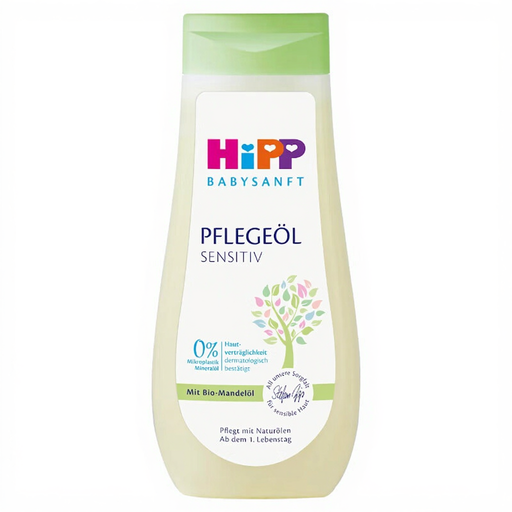
Why this product fits the profile: This oil can be used for dry skin, massage, gentle nappy-area cleaning and as a bath additive.
Its versatile use can replace several individual products. However, you should still check the ingredients list, as it contains Parfum.
200 ml content, organic almond oil according to the product details, free from parabens and mineral oil, and versatile in use.
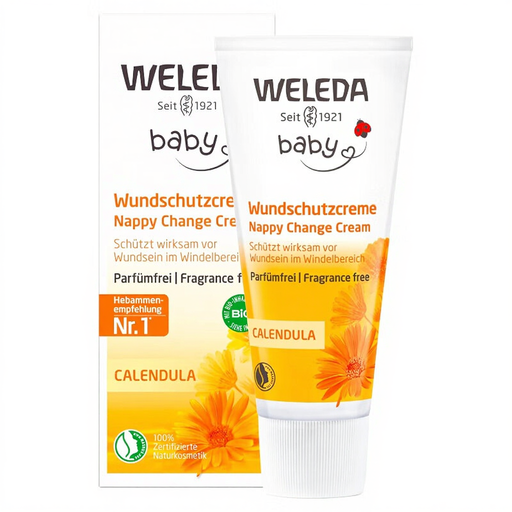
Why this product fits the profile: This cream is designed for nappy-area care and combines zinc oxide with calendula, chamomile and oil-based ingredients.
Its clear purpose prevents a general body cream from being used on the moisture-prone nappy area.
75 ml, according to the product details, no added fragrance, with zinc oxide and ingredients from certified organic farming.
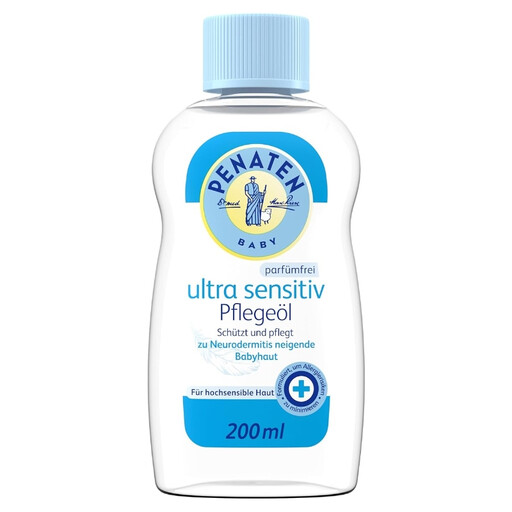
Why this product fits the profile: According to the product details, this oil is intended for sensitive skin and can be used for massage and nappy-area cleaning.
Its declared freedom from fragrance and colourants reduces a frequently overlooked selection point; the current packaging remains the deciding factor.
200 ml, according to the product description, free from fragrance and colourants, and suitable from birth.
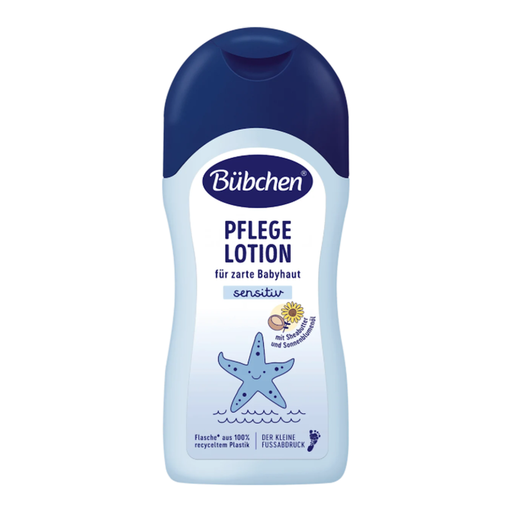
Why this product fits the profile: The larger 400 ml bottle is designed for regular care of arms, legs and body surfaces.
The lotion is intended for all-over application and doesn't need to be replaced by an oil that's difficult to spread.
400 ml content, with shea butter and sunflower oil according to the product description, and suitable from birth.
We've put together a complete, regularly updated list of products that fully meet these strict selection criteria and the safety regulations in force in the EU.
Products that are explicitly labelled "from birth" or "0 months+" are suitable. This applies, for example, to certain baby oils and protective creams from our selection. The packaging information is key, as not every baby cream is intended for newborns.
It depends on the skin's condition and needs. Daily all-over moisturising isn't essential if the skin looks fine. For dry patches, you can apply a suitable cream or lotion sparingly. Excessive switching and applying lots of different products makes it harder to assess how well the skin is tolerating them.
The key indicators are the jar symbol with the number of months, the best-before date and any manufacturer instructions. Changes in smell, colour or texture are a reason to stop using the product, regardless of the date. If you notice any visible changes to your baby's skin, stop using the product and, if necessary, consult a paediatrician.