
Lieferung heute & morgen

Qualitätsgarantie

Willkommens-Angebote freischalten: KOSTENLOSE Lieferung | Bis zu 80 % RABATT | Kostenlose 30-Tage-JoyPlus-Testphase
App herunterladen
A 2.5 TOG baby sleeping bag is often recommended for cooler bedrooms and the autumn and winter months. However, the warmth rating alone isn’t enough to help you choose the right model. You should also consider the room temperature, the fit around your baby’s neck and arms, their height, the materials and the zip.
When choosing a winter baby sleeping bag, three common misconceptions can lead to the wrong choice:
A 2.5 TOG sleeping bag is often recommended for rooms at around 16 to 20 °C. This guidance is also included in the product details for the Vowia models. It’s a useful guide, not an individual temperature recommendation for every baby.
When choosing a sleeping bag, parents should:
A warm sleeping bag for babies shouldn’t be used with extra blankets, duvets or quilts. Loose bedding can shift in a cot and make the sleep environment less safe. If you’re unsure about clothing or room temperature, it may be helpful to speak to a healthcare professional.
A 6–24-month sleeping bag covers several stages of development, but not every model will fit throughout that whole period. Your baby’s height and the fit are what matter, not just the age shown on the packaging.
The Vowia models are listed in the following sizes:
These measurements are intended as a guide from the manufacturer. Before you buy, measure your baby and check the size chart for the specific model. When the sleeping bag is fastened, your baby’s head shouldn’t be able to pass through the neck opening. The arm openings should also fit securely.
A pear-shaped design with a wide hem offers more room around the legs. This may suit babies who kick around a lot in their sleep. With a baby sleeping bag with legs, also check that the leg cuffs don’t ride up or restrict your baby when crawling or standing.
A cotton baby sleeping bag can feel comfortable against sensitive skin. According to the product details, the Vowia model’s outer fabric and lining are made from 100% cotton. The padding is made from 100% polyester and has a 2.5 TOG rating.
These details are also worth considering when choosing a product:
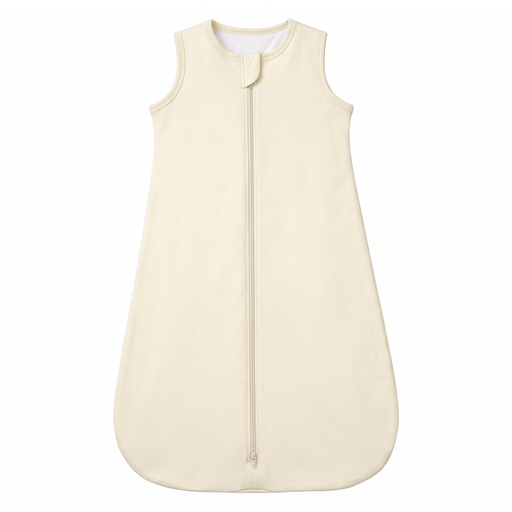
Why this product suits this need: This model is for parents looking for a classic cotton baby sleeping bag in size M.
The size guide gives specific body measurements. The product details also list a zip guard and a 2-way zip.
2.5 TOG for temperatures of 16–20 °C, according to the product details, with cotton outer fabric and lining.
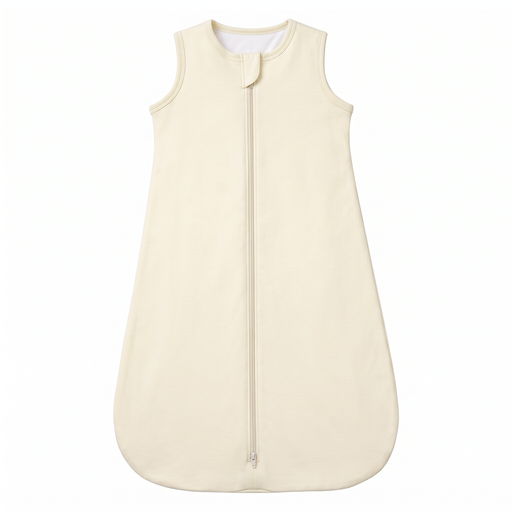
Why this product suits this need: Size L is designed for babies with a stated height of 76–89 cm and combines several verifiable material and construction details.
The product details mention OEKO-TEX Standard 100 and EN 16781, along with specific care instructions. This makes it easier to assess broad quality claims.
Cotton lining and outer fabric, 2.5 TOG padding and a 2-way zip that opens from the bottom.
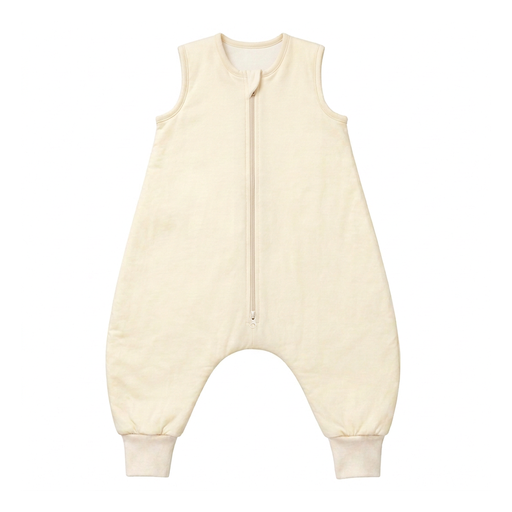
Why this product suits this need: The legged design may appeal to babies who crawl, stand or take their first steps and need room to move.
Rather than relying on an extra-long sleeping bag, the size is assessed using body measurements and leg cuffs. According to the product details, the cuffs are designed to help stop the trouser legs riding up.
Legged design, 2.5 TOG, cotton fabric and a 2-way zip; suitable for 16–20 °C according to the product details.
We’ve put together a complete, regularly updated list of products that meet these strict selection criteria and the safety regulations in force in the EU.
According to the product details, the Vowia models listed are designed for 16 to 20 °C. The clothing worn underneath should be adjusted to suit the room temperature, your baby and the sleep environment. The back of your baby’s neck can be a useful guide: it should feel warm, but not sweaty.
That depends on your baby’s height, weight and the fit. A sleeping bag that’s too small can restrict movement, while one that’s too large may not fit securely around the neck and arms. Replace the sleeping bag if the seams, zip or fabric are damaged, or if your baby has outgrown it.
A baby sleeping bag with legs can make it easier for your baby to crawl, stand and walk. A good fit, secure neck and arm openings, and following the manufacturer’s instructions are still essential. Whatever the style, your baby should sleep on their back, and the sleeping bag shouldn’t be used with an additional duvet.