
Lieferung heute & morgen

Qualitätsgarantie

Willkommens-Angebote freischalten: KOSTENLOSE Lieferung | Bis zu 80 % RABATT | Kostenlose 30-Tage-JoyPlus-Testphase
App herunterladen
Whether for a lunchbox, the playground or a little hunger between meals: baby snacks from 1 year should be practical, age-appropriate and made from clearly identifiable ingredients. However, packaging often uses terms such as “fruity”, “organic” or “no added sugar”, which alone are not enough to make an informed purchase.
The Joybuy Product Recommendation Officer therefore bases the selection on verifiable information: recommended age, ingredients list, allergens, sugar content, consistency, pack size and intended use.
A product can contain no added table sugar and still contain a relatively high amount of sugar from fruit purée, juice concentrate or dried fruit. For example, Bebivita Fruit Bars Apple-Banana contain 47 g of sugar per 100 g. According to the ingredients list, the sweetness comes partly from banana flakes as well as apple and grape juice concentrate.
When comparing fruit bars for children, it is therefore important to look beyond the marketing claim. Also check the nutritional information and the specific order of the ingredients.
Organic baby snacks may come from certified organic farming, but they still need to match your child’s ability to chew. Hard, large or sticky pieces can be problematic when eating. A product with only a few ingredients is not automatically suitable for every child, either.
Children should sit upright and always eat snacks under supervision. Age guidance on the packaging is an important point of reference, but it does not replace the individual judgement of the supervising adult.
A bulk pack can be useful if a product is consumed regularly. However, if it is only offered occasionally, an opened pack may lose quality or its best-before date may draw closer. Individually portioned bars are practical as snacks for eating on the go; with muesli, look for a resealable bag and check the recommended period for use after opening.
For baby snacks from 10 months, options include muesli and softer fruit preparations. Other products are expressly intended only from 12 months or from 1 year. HiPP Kids’ Muesli Berries is one example: the product name says “from 10 months”, while the product description indicates that it is suitable from 12 months. In cases like this, the current information on the packaging should take precedence.
Also check whether a snack may only be offered while the child is sitting down and under supervision. This is particularly important for bars, biscuits and snack sticks.
Compare at least the following points:
A children’s muesli with no added sugar is therefore not automatically sugar-free. HiPP Kids’ Muesli Berries contains 11.1 g of sugar per 100 g; according to the product information, this comes from the ingredients it contains. The muesli also contains 83% wholegrain cereals and gluten.
Dry, individually wrapped snacks that can be stored at room temperature are suitable for lunchboxes. Muesli, on the other hand, requires milk or another recommended preparation method and should be freshly prepared. Opened wet products belong in the fridge and should be consumed within the period specified by the manufacturer.
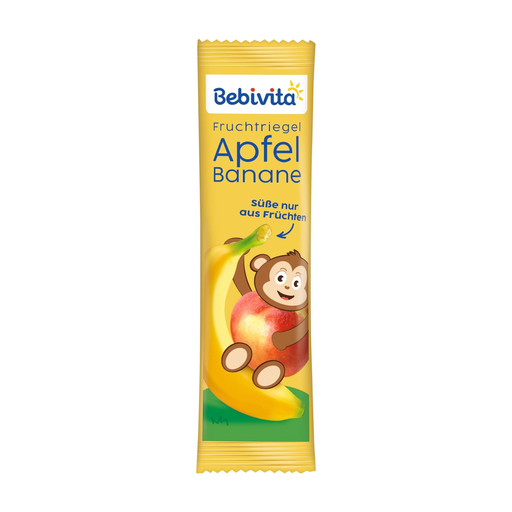
Why this product suits this profile: The pack of 20 bars weighing 25 g each is ideal for families who regularly want to pack portioned snacks for eating on the go or for the lunchbox.
The ingredients list and nutritional information make it clear that “sweetened only with fruit” does not mean low in total sugar. According to the product information, no flavourings are added.
25 g portion size, no added flavourings and no preparation required. Contains wheat and may contain milk, soya, sheep’s milk and mustard.
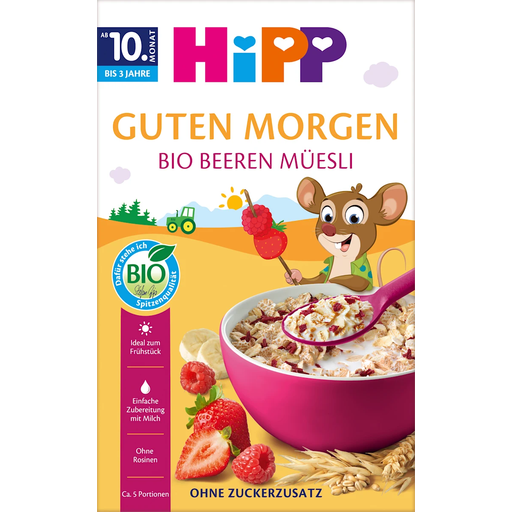
Why this product suits this profile: This muesli is designed for families who consider wholegrain content, organic ingredients and careful checking of the ingredients for breakfast or snacks.
The product data states “no added sugar” and 11.1 g of sugar per 100 g. This makes it possible to put the marketing claim into proper context. The fine pieces are intended to be eaten with a spoon.
83% wholegrain cereals, organic ingredients and vitamin B1 according to the product information. Contains gluten from wheat, barley, oats, spelt and rye.
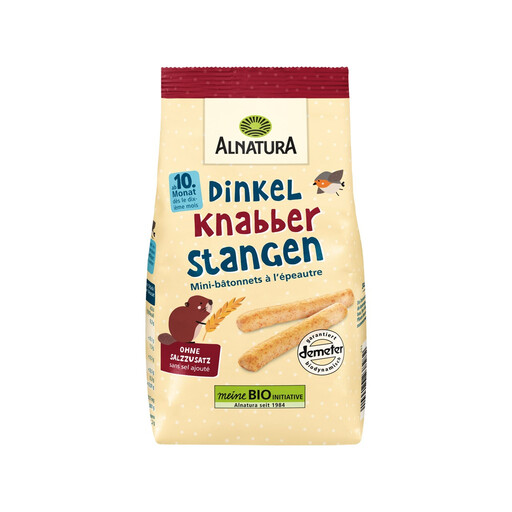
Why this product suits this profile: These spelt sticks for babies are intended as a dry snack for nibbling at home, on the go or for dipping.
The labelling states “no added salt”. At the same time, spelt is explicitly identified as a type of wheat, preventing an incorrect assessment of the gluten allergen.
Demeter quality according to the product description, 80 g pack size and no added salt. Contains gluten-containing spelt; check the packaging for other possible allergens.
We have put together a complete, regularly updated list of products that fully meet these strict selection criteria and the safety regulations applicable in the EU.
For a prepared breakfast or a soft snack, HiPP Good Morning Strawberry in Apple-Yogurt Muesli from 10 Months may be worth considering. According to the product data, it contains 34% fruit and 33% yoghurt and should be kept chilled once the pack has been opened.
If you are specifically looking for children’s biscuits, compare sugar and allergens particularly carefully. According to the ingredients list, Bebivita Biscuit Sticks contain sugar and wheat flour and are intended for specific age groups. Alnatura Organic Spelt Biscuits from 1 year contain, among other ingredients, agave syrup and spelt. Plant-based sweeteners do not remove the need to check the total sugar content.
Confectionery such as filled wafers or products with large pieces is not automatically suitable for toddlers. For example, the product information for Hitschies Original Mix expressly warns that it contains large pieces and is only suitable from 3 years.
Age-appropriate fruit bars, fine muesli, soft fruit preparations or light snacks for nibbling may be suitable. The manufacturer’s information, an appropriate consistency, the ingredients list and supervision by an adult are all important. Hard or large pieces should be assessed with particular care.
No. Fruit purée, dried fruit and juice concentrates naturally contain sugar. Therefore, compare the value for “of which sugars” per 100 g and check the complete ingredients list.
This depends on the product. For HiPP Kids’ Muesli Berries, it is recommended that the bag is resealed after opening, stored in a cool, dry place and consumed within three to four weeks. Moist fruit-and-yoghurt products usually have considerably shorter periods for use after opening. The information on the individual packaging should always be followed.