
Lieferung heute & morgen

Qualitätsgarantie

Willkommens-Angebote freischalten: KOSTENLOSE Lieferung | Bis zu 80 % RABATT | Kostenlose 30-Tage-JoyPlus-Testphase
App herunterladen
The transition to solid foods is a significant step for your baby and for you as parents. The first purée marks the beginning of a new phase of discovery. Choosing the right tool, the first baby spoon, plays a crucial role in this process. An unsuitable spoon can not only make feeding more difficult but also lead to frustration for both child and parent. Many products on the market make big promises, but not all deliver. Before you make a decision, it's important to know the most common pitfalls.
Common Mistakes When Buying Baby Spoons:
A well-considered purchase not only saves you money but also ensures a positive and safe start to the weaning phase.
To make the right choice, you should focus on a few crucial product features. These characteristics determine whether a spoon is suitable for starting solids and supports your child's development.
The material is the most important criterion. A silicone baby spoon is often an excellent choice. Look for the following properties:
The shape of the spoon influences how well your baby learns to eat. A good first purée spoon should have the following ergonomic features:
In daily life with a baby, things often need to be done quickly. A practical feeding spoon should therefore be easy to clean. Check if the spoon is dishwasher-safe. Many silicone spoons can also be sterilised in a steam steriliser or even used in the microwave, ensuring hygienic handling.
Based on these criteria, we have identified products that are suitable for the different needs of parents. Instead of an overwhelming list, we present you with targeted recommendations.
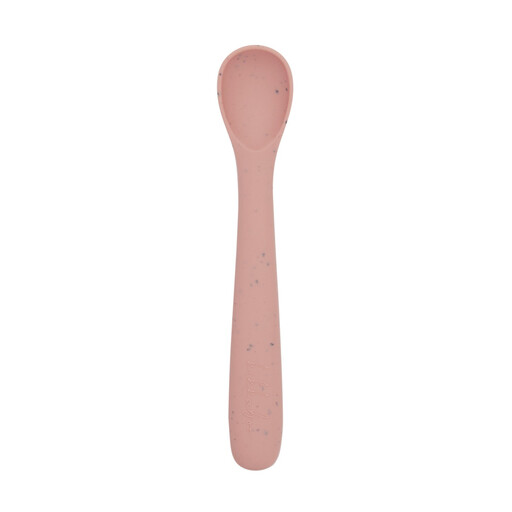
Why This Fits Their Persona: Ideal for parents who refuse to compromise on safety for their baby's first spoon. The platinum silicone is specially designed for the needs of babies from 6 months and supports their first attempts at independent eating.
The soft, flexible material is gentle on gums and avoids the risk of hard edges. It is explicitly labelled as BPA-free, and its ergonomic shape is optimised for small baby mouths.
Made from 100% food-grade platinum silicone; taste-neutral and extremely durable.
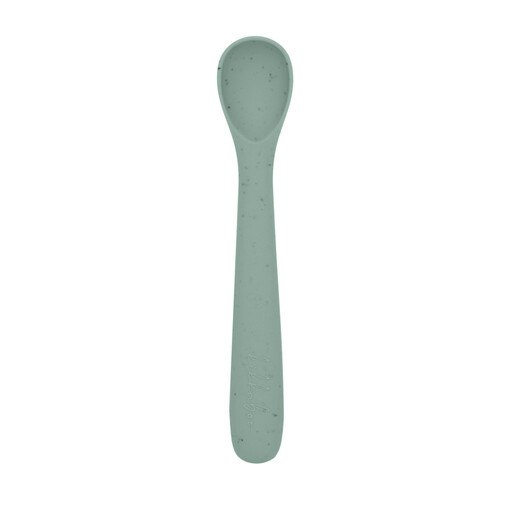
Why This Fits Their Persona: For parents looking for a safe and durable spoon that simplifies a hectic daily routine with maximum ease of care. Its high temperature resistance makes it incredibly versatile.
This spoon combines safety (BPA-free) with extreme durability. It withstands temperatures from -40°C to 230°C, making it suitable for all types of baby food and cleaning methods.
Easy to clean: Suitable for the dishwasher, microwave, and steriliser, ensuring consistently hygienic use.
We've compiled a complete, up-to-date list of products that fully meet these strict selection criteria and safety regulations.
A special baby spoon is recommended as soon as you start introducing solid foods. This is typically between the 5th and 7th month. The soft, narrow spoons are adapted to the anatomy and motor skills of infants at this age.
Most high-quality silicone spoons are dishwasher-safe, which makes cleaning much easier. Alternatively, they can be washed by hand with warm water and a mild detergent. Many models are also suitable for sterilisation in a steam steriliser to ensure maximum hygiene.
A safe spoon should be made of food-grade material and explicitly labelled as BPA-free. Check the product for any sharp edges or burrs. The material should be soft and flexible to protect your baby's gums. Trustworthy manufacturers transparently disclose the materials used and any safety certifications.