
Lieferung heute & morgen

Qualitätsgarantie

Willkommens-Angebote freischalten: KOSTENLOSE Lieferung | Bis zu 80 % RABATT | Kostenlose 30-Tage-JoyPlus-Testphase
App herunterladen
Baby and toddler toys should keep little ones entertained, encourage discovery and be suitable for their age. The range available stretches from a rattle for babies through sensory toys to magnetic building blocks for older children. At the same time, product images and marketing promises can hide important details.
Three common buying problems crop up particularly often:
The age recommendation on the product page and packaging is a central safety parameter. For babies, choose products without any loose small parts, such as a grasping toy with different textures. With learning toys for 1-year-olds, parents should also check that moving parts are securely attached and whether the toy should be used under supervision.
Magnetic building blocks require particular caution. Sets containing small, strong magnets must not be given to children under 3 years old. If a magnet is swallowed or inhaled, seek immediate medical help. Any damaged pieces must be discarded.
For plastic toys, details such as ABS plastic, rounded edges and a securely fastened battery compartment are practical indicators. The CE mark shows that the seller has declared the product meets the relevant EU requirements. However, it does not replace your own check for damage, loose parts or an unsuitable age rating.
With wooden toys, look for a sturdy construction, smoothly finished surfaces and a stable base. A product with wipe-clean surfaces can be easier to care for in everyday use than toys with hard-to-reach fabric or electronic areas.
Interactive learning toys, a baby activity table or musical toys can offer a variety of play prompts through lights, sounds and moving parts. What really matters, however, are:
A toddler activity cube, for example, is compact and often easier to store than a large play table. For travel, size, a carry handle and a suitable storage bag can be more important than the number of built-in features.
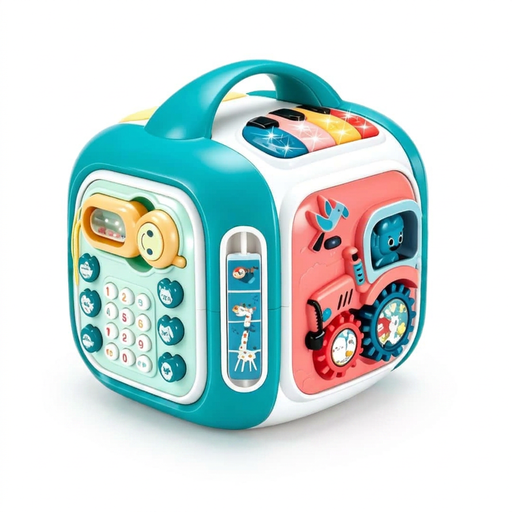
Why this product suits the profile: The compact cube combines several play sides for children aged 1 to 3 years and takes up less floor space than a large activity table.
The age recommendation is clearly stated. Before buying, parents should still check the moving parts and edges.
Eight play modes, including buttons, gears, telephone and music elements; stated material: ABS plastic.
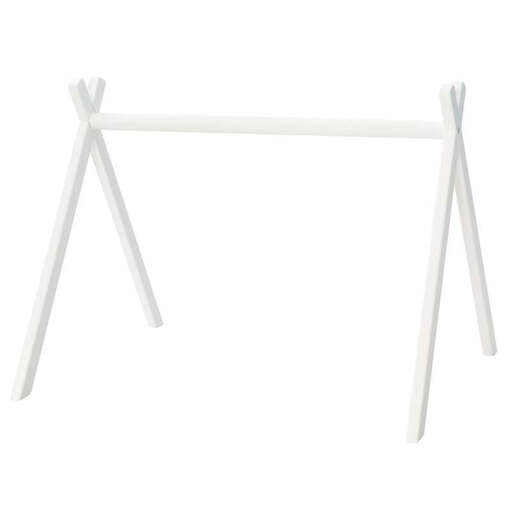
Why this product suits the profile: The lacquered wooden construction is designed for babies from 3 months old and provides a calm, screen-free play environment.
It comes without batteries or electronic stimulation. Before each use, check the base, connecting parts and for any damage.
Wipe-clean surfaces, dimensions of 52 × 70 × 50.5 cm and intended for use on a level surface.
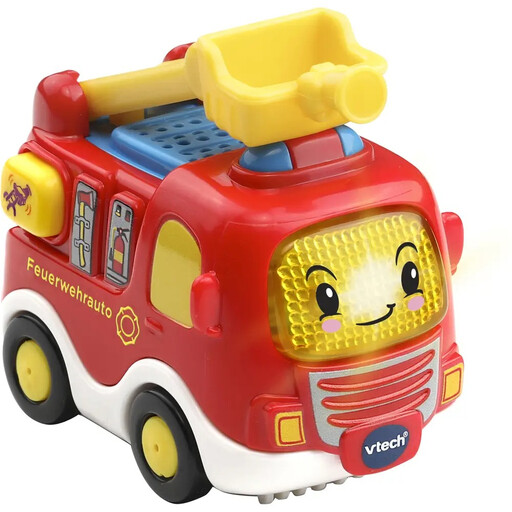
Why this product suits the profile: The Tut Tut Baby Flitzer is aimed at children from 1 year old and combines pushing action with light, music and sound effects.
The product details state the age, battery type and safety warnings. The battery compartment should be checked regularly to ensure it is securely closed.
Movable ladder, magic sensors, three songs and six melodies; compatible with other Tut Tut Baby Flitzer play sets.

Why this product suits the profile: The set is designed for children aged 3+ and offers plenty of pieces for building together and free creative play.
The warning about small parts and magnets is clear. Parents should regularly check the pieces for cracks and loose magnets.
100 transparent ABS pieces with rounded corners; manufactured according to EN 71 as per product information.
We've put together a complete, regularly updated list of products that fully meet these strict selection criteria and the safety regulations in force in the EU.
Suitable options can include robust products with large, easy-to-grasp elements, such as an activity cube, a small push-along vehicle or a simple activity table. What matters most are the specific age rating, the safety warnings and the absence of easily detachable small parts. Electronic learning toys should have an appropriate volume level and be used under supervision.
The lifespan depends on the material, construction, how often they're used and how they're cared for. Battery-operated products should be stored in a dry place and only used with a securely closed battery compartment. Wooden and plastic toys can usually be cleaned with a damp cloth. Regularly checking for cracks, loose parts and sharp edges helps you discard damaged products in good time.
Electronic toys can incur costs for replacement batteries. Before buying, check whether batteries are included, what type is needed and whether there is an automatic shut-off feature. For frequent use, a model with a volume control and auto shut-off can be more practical in everyday life.