
Lieferung heute & morgen

Qualitätsgarantie

Willkommens-Angebote freischalten: KOSTENLOSE Lieferung | Bis zu 80 % RABATT | Kostenlose 30-Tage-JoyPlus-Testphase
App herunterladen
Baby and toddler toys should bring joy, support development and work reliably in everyday life. For parents, grandparents and relatives, choosing the right toy isn’t always straightforward: packaging often features terms like “educational”, “Montessori-inspired” or “multi-sensory”, but that doesn’t automatically mean the product is a good fit.
Before you buy, it’s worth looking at specific features: age recommendation, materials, build quality, noise level, battery operation and play environment. This helps you avoid buying the wrong thing – whether you’re looking for a gift for a birth, a birthday or Christmas.
Music, lights, buttons and movement can be appealing. But too many features crammed into a small space doesn’t automatically create a better play experience. What really matters is whether your child can use the features independently and whether the volume can be adjusted.
For musical baby toys and interactive learning toys, easy-to-reach controls, an off switch and a volume control are practical things to look out for.
A toy designed for children aged three and over isn’t suitable for younger children because of small parts that could be swallowed. On the other hand, a product made for babies can quickly lose its appeal for a three-year-old. The age recommendation should match your child’s actual developmental stage and how you plan to use the toy.
Even a label like “6 to 36 months” covers a very broad range. The features, size and way of playing may be quite different for a six-month-old baby compared with a two-year-old child.
Labels such as BPA-free, CE or EN71 can give you useful information. But before you buy, and before every use, you should still check whether any parts are loose, whether the battery compartment closes securely, and whether there are any cracks or sharp edges. Toys with water features, magnets or small components need extra attention.
For babies from around six months, grasping, sound and movement experiences work well. Sensory toys with high-contrast colours, easy-to-hold shapes or simple cause-and-effect features can help keep them engaged. A baby activity centre should stand firmly and must not be used for climbing or pulling up on, unless it is specifically designed for that.
From around one year, buttons, sorting games, rolling, twisting and simple pretend play become more interesting. Motor skills toys like an activity cube or a play panel offer a variety of hand movements. From three years, vehicles with small parts or a remote control toy for children can also be appealing – but always check the relevant warnings.
For plastic toys, rounded edges, a smooth surface and a sturdy construction are important features. With electronic products, batteries and contacts should be well protected. Batteries should be kept out of children’s reach and removed if the toy won’t be used for a long time, provided the product instructions say so.
For wooden products, look for a well-adhering finish, smooth surfaces and a stable, tip-resistant design. The toy should be used on a flat surface and checked regularly for any damage.
Musical toys can quickly become annoying in daily life if there’s no volume control. A volume adjustment or a quiet mode makes them much easier to use at home, in the car or during quieter times. Also check whether batteries are included, how many you need and whether the product uses standard batteries.
Easy-to-wipe surfaces are very practical for baby and toddler toys. Electronic products usually shouldn’t be cleaned under running water. For bath toys, remove any water after play and dry the pieces thoroughly.
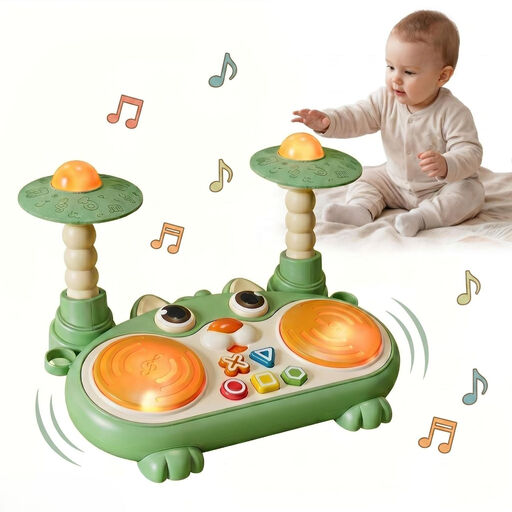
Why this product fits the profile: This compact toy combines drum surfaces, lights, animal sounds and shape and colour matching for babies and toddlers.
The product details mention rounded edges, BPA-free ABS and a non-slip base. The age recommendation should be checked carefully against your child before buying.
Multiple play modes in one device; batteries are not included according to the product information.
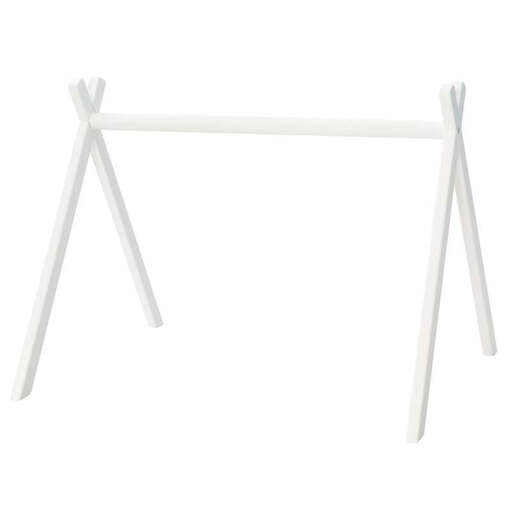
Why this product fits the profile: This play arch made from lacquered wood is designed for babies from three months and is ideal for grasping and discovery activities on the floor.
The design has no electronic stimuli. According to the product description, the surfaces are wipeable; the arch should be used on a flat surface under supervision.
Lacquered wood, dimensions of 52 × 70 × 50.5 cm and compatible add-on sets according to the product details.
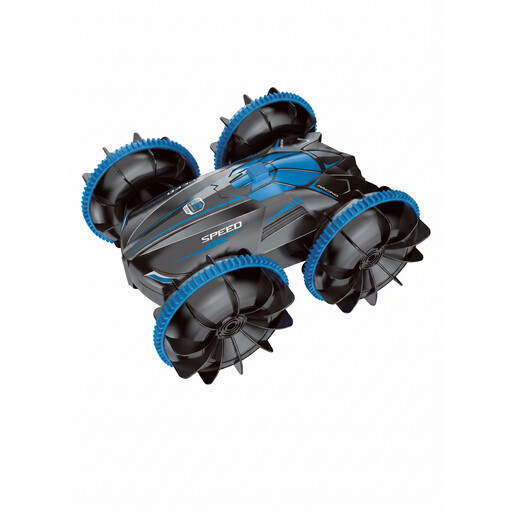
Why this product fits the profile: This vehicle is aimed at older children who want to drive outdoors on grass, sand or flat surfaces and try out different control modes.
Before use, check the age recommendation, range, water warnings and charging or battery requirements. This is not a toy for babies.
4WD drive, 2.4 GHz remote control and additional gesture control according to the product description.

Why this product fits the profile: The cube combines a piano, guitar, phone game, gears and music, among other things, for children in the stated age range of one to three years.
The functions are spread across pressing, turning, pulling and rolling actions. Before buying, consider the dimensions of 23 × 23 × 24 cm and the space you have available.
Eight described play areas, a carry handle and BPA-free ABS with rounded edges according to the product details.
We’ve put together a full, regularly updated list of products that fully meet these strict selection criteria and the safety regulations in force in the EU.
Suitable options include easy-to-grasp, sturdy products without loose small parts, such as a play arch, a simple play panel or sensory toys with light and sound effects. You must follow the manufacturer’s specific age recommendation. Toys should always be checked regularly during use and should not be left unsupervised near a child’s mouth if small parts are present.
The lifespan depends on the materials, construction and how intensively the toy is used. Electronic toys can be affected by battery contacts, drops or moisture. Plastic and wooden toys should be stored in a dry place and checked for cracks, loose parts and sharp edges after each period of heavy use.
Battery-operated products will need replacement batteries, which is an ongoing cost. So check whether batteries are included, how many you need and whether there is an automatic shut-off or volume control. For frequent use, rechargeable batteries can be a practical option, as long as they are compatible with the product.