
Lieferung heute & morgen

Qualitätsgarantie

Willkommens-Angebote freischalten: KOSTENLOSE Lieferung | Bis zu 80 % RABATT | Kostenlose 30-Tage-JoyPlus-Testphase
App herunterladen
Baby and toddler toys should suit your child’s age, stage of development and your family’s everyday life. However, rattles, teething rings, musical toys and climbing elements can differ considerably in terms of materials, care requirements and safety information. Parents, expectant parents, grandparents and other family members should therefore take a close look at the product details rather than relying on colourful marketing claims.
“From birth” does not automatically mean that a toy is suitable for every everyday situation. A product may be intended for babies from 0 months, but still only be used under supervision. Warning notices are particularly important for toys with batteries, small attachments or moving parts.
Look out for:
A baby toy from birth should be easy to grasp, soft or rounded, and free from loose parts. For older babies, toys that support motor skills and movement may be suitable.
Lights, melodies and sensors may initially seem versatile. In everyday use, however, a toy that is constantly loud or flashes intensely can be impractical, particularly during quiet periods. Check whether the volume can be adjusted and whether the toy has an automatic shut-off function.
For electronic musical toys for babies, the battery compartment, battery type and cleaning options are also important. For textile products, it should be clearly stated whether they can be cleaned by hand or in a washing machine.
Baby toys often end up on the floor and are handled regularly. Non-removable covers, sensitive electronics or hard-to-reach gaps increase the care required. For large climbing and crawling sets, you should also consider the space needed, storage and the condition in which the product is delivered.
For vacuum-packed foam parts, you must allow the amount of time specified by the supplier for them to fully expand. With a ball pit, you should also check whether the balls are included in the delivery.
For the first few months, simple grasping and touch-based toys are usually suitable. A baby rattle toy or a grasping toy with different textures can encourage visual and tactile exploration. With a motor skills toy for babies, the number of features is less important than an easy-to-grasp shape, suitable weight and safe construction.
Once a child starts shuffling or crawling, rolling elements can encourage visual orientation and a willingness to move during play. The toy should only be used on a clear, level surface.
For plastic toys, rounded edges and a sturdy casing are important points to check. For textiles, look for securely stitched elements, washable covers and clear material information. A statement such as BPA-free only describes one specific aspect of the material and does not replace checking the product as a whole.
The standards EN71-1, EN71-2 and EN71-3 cover, among other things, mechanical and physical properties, flammability and the migration of certain elements. The CE marking indicates the manufacturer’s declaration that the product complies with applicable EU requirements. It is not an independent quality mark. You should therefore also read the warning notices and manufacturer’s information.
A washable cover is practical for baby toys, while electronic components should not normally come into contact with water. Check the following regularly:
A teething ring for babies should be cleaned according to the manufacturer’s instructions. For example, the HABA Star Grasp Toy is stated to be dishwasher-safe; according to the product description, it is intended for children from 6 months. The information on the relevant product page and packaging remains decisive.
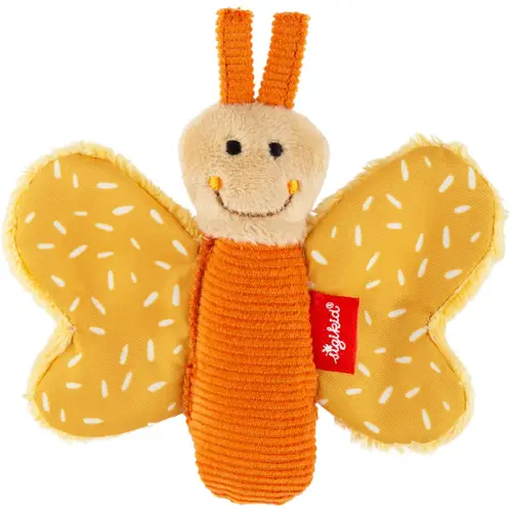
Why this product suits this profile: This soft grasping toy is intended for children from 0 months and, according to the product description, does not require batteries. It is therefore suitable for families looking for a simple, easy-care first toy.
No electronics means no battery changes and no need to consider volume levels. However, the seams and combination of materials should still be checked regularly.
Machine washable at 30 °C according to the supplier; crinkle paper and various fabric textures offer different tactile and sound experiences.
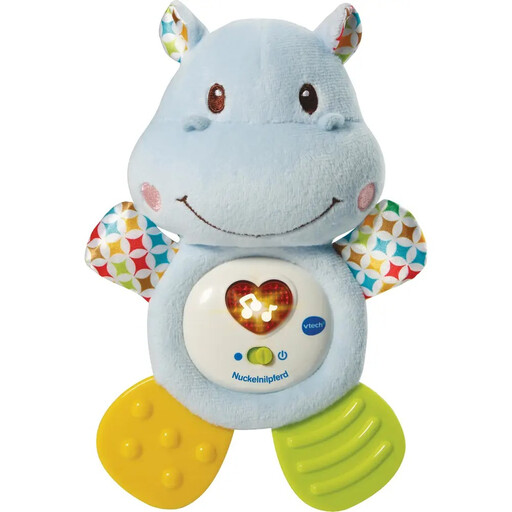
Why this product suits this profile: According to the product information, this electronic fabric toy is suitable for ages 0 to 2 years and combines different textures with songs, melodies and a light-up button.
The volume can be adjusted, and the product is also described as having a child-safe battery compartment and automatic shut-off.
Two soft teething feet, three sung songs and ten melodies according to the manufacturer; three LR44 batteries are included according to the product description.
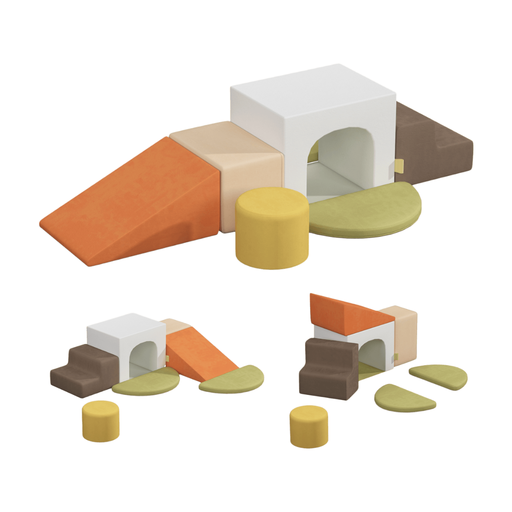
Why this product suits this profile: This seven-piece foam set is aimed at families who want to combine climbing, crawling and building indoors.
The covers are removable and machine washable according to the supplier. The non-slip base helps reduce movement, but does not replace supervision.
EN71-1, EN71-2 and EN71-3 are mentioned in the product description; the parts expand within up to 48 hours after delivery.
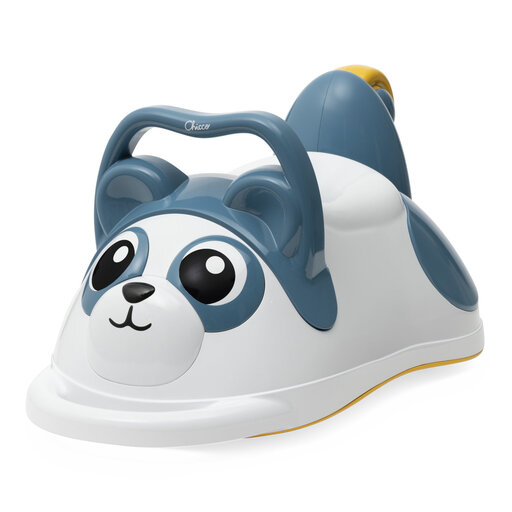
Why this product suits this profile: According to the product description, this model can be used as a ride-on toy, sorting station and wheelbarrow. It is intended for children aged 12 to 36 months, with the wheelbarrow function available from 18 months.
The warnings expressly state that the product must be used under supervision, with suitable protective clothing, and not on roads, stairs or sloping surfaces.
Three ways to use it, a maximum load of 20 kg according to the manufacturer, and wipe-clean plastic surfaces.
We have put together a complete, regularly updated list of products that fully meet these strict selection criteria and the safety regulations applicable in the EU.
For the first few months, soft grasping toys, crinkle toys and simple rattles may be suitable. Check the age recommendation, size and attachment of all elements. Even products specifically intended for use from birth should be used while the child is supervised.
The usable lifespan depends on the age recommendation, materials and condition. A grasping toy may be used during the first few months, while a ride-on toy or climbing set may only be intended for older toddlers. As soon as cracks, loose seams, damaged wheels or detached parts appear, the product should no longer be used.
Depending on the model, electronic toys require batteries. Costs arise from replacement batteries and, where applicable, the additional cleaning required. Models with volume control and automatic shut-off may be more practical in everyday use. If the toy is used frequently, it is worth checking the specified battery type and how easy the battery compartment is to access.