
Lieferung heute & morgen

Qualitätsgarantie

Willkommens-Angebote freischalten: KOSTENLOSE Lieferung | Bis zu 80 % RABATT | Kostenlose 30-Tage-JoyPlus-Testphase
App herunterladen
The selection of baby toys is vast and often overwhelming. Manufacturers advertise educational benefits and developmental properties. But not every toy marketed as such delivers on its promise. As a Joybuy Product Recommendation Officer, I see daily which products offer real value and which are merely capitalizing on short-lived trends.
Many parents and relatives invest in toys that are ignored after a short time or prove to be impractical. Before you make a decision, it's helpful to know the most common pitfalls:
An informed choice not only saves money but also ensures that the child has a safe and stimulating play environment.
To avoid a bad purchase, you should focus on objective and verifiable features. These three core parameters are crucial for the quality and safety of baby toys.
The child's safety is the top priority. Look for mandatory labels and standards that apply in the UK and the EU.
The manufacturer's age recommendation is more than just a suggestion; it is based on the average developmental stages of a child.
A good toy adapts to the child's growing abilities or serves multiple functions. A ride-on that later becomes a push cart, or a baby walker with an integrated activity board, offers long-term play value and is therefore a more sustainable investment.
Instead of making a blanket recommendation, we have selected products tailored to specific needs and developmental stages.
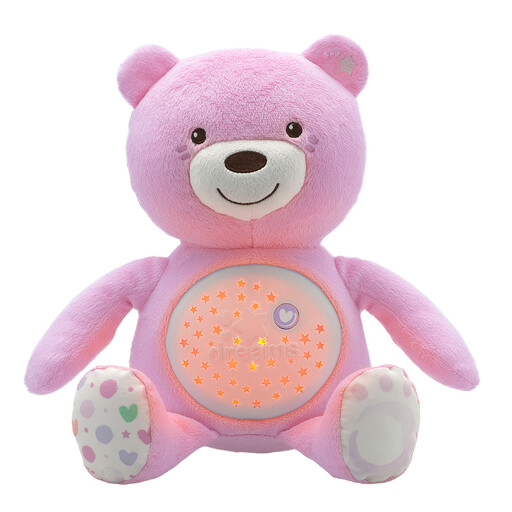
Why this product is a great fit: Ideal for the first few months of life when auditory and visual perception is the main focus. It serves as a gentle night light and music source, which provides a sense of security.
Instead of being just a simple plush toy, the bear offers long-lasting and varied stimulation with three light modes and 30 minutes of music (classical, jazz, nature sounds). This prevents boredom from setting in quickly.
The electronics module is removable, making the plush body machine-washable. This ensures easy and hygienic cleaning—a crucial factor for newborn toys.
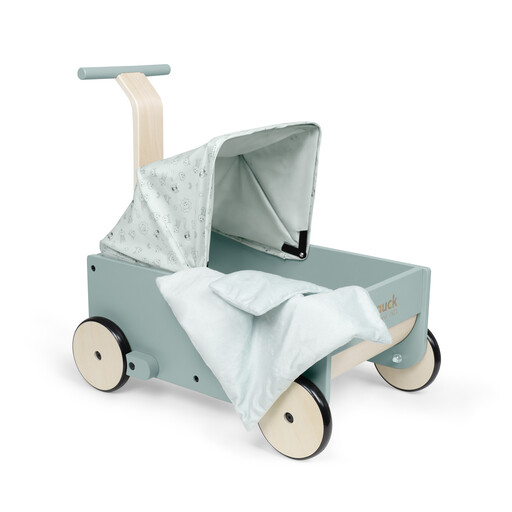
Why this product is a great fit: This walker playfully supports children as they learn to walk, promoting gross motor skills and balance in the process.
Unlike simple walkers, this model features an adjustable braking system. Parents can adapt the wheel speed to the child's ability. Its dual function as a doll's pram ensures a long lifespan beyond the walking phase.
Made from FSC-certified wood, which stands for sustainable sourcing. The rubber-coated wooden wheels are quiet and gentle on flooring.
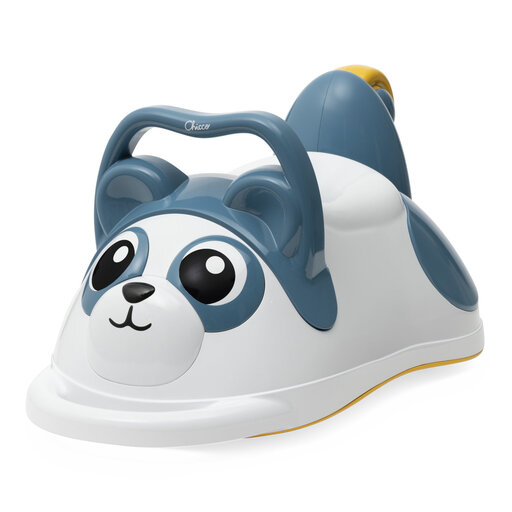
Why this product is a great fit: An excellent choice for families looking for a durable toy that adapts to different developmental and play stages.
This product directly counters the problem of short-lived toys. It converts from a stable ride-on (from 12 months) to a push cart (from 18 months), providing relevant fun for years.
The 3-in-1 functionality (ride-on, Montessori sorting tray, push cart) not only promotes gross motor skills but also cognitive abilities like organising and sorting.
We have compiled a complete, up-to-date list of products that fully meet these strict selection criteria and UK/EU safety regulations.
Look for the CE marking and, if possible, test seals from independent institutes. Check the toy for sturdy construction, secure seams on plush toys, and the absence of small parts that could come loose (on toys for children under three). The materials should be explicitly declared as non-toxic (e.g., BPA-free).
The cleaning method depends on the material:
For a newborn gift, toys that stimulate the senses without being overwhelming are particularly suitable. These include soft grasping toys, a music box with a gentle melody, a mobile with clear contrasts, or a comforter. In the first few months, less is often more. A high-quality, safe, and easy-to-clean toy is a great choice.