
Lieferung heute & morgen

Qualitätsgarantie

Willkommens-Angebote freischalten: KOSTENLOSE Lieferung | Bis zu 80 % RABATT | Kostenlose 30-Tage-JoyPlus-Testphase
App herunterladen
The selection of baby toys is vast and can quickly become overwhelming. Parents, grandparents, and friends want to give a newborn gift or a birthday present that not only brings joy but is also safe and promotes development. However, well-intentioned purchases often lead to disappointment when the toy ends up unused in a corner or proves to be impractical. This guide will help you navigate the common pitfalls and make an informed decision.
As your Joybuy Product Recommendation Officer, I filter out the marketing noise to bring you the essential information, helping you find the perfect toy for your little one.
Before we dive into the selection criteria, it's important to be aware of the most common mistakes. Avoiding them not only saves money but also ensures more enjoyment and longer-lasting fun.
To avoid these pitfalls, you should check three core aspects before making a purchase. These parameters will help you objectively assess the quality and suitability of toys for babies.
Safety is the most critical aspect. Since babies explore toys with all their senses and frequently put them in their mouths, non-toxic materials are essential.
A good educational toy isn't necessarily complex. Rather, it's a tool that supports a child's natural development at their current stage.
A toy that can be used in various ways or "grows" with the child offers significantly higher and longer-lasting play value. Look for products that stimulate the imagination and don't just have a single, predetermined function.
Here are some recommendations tailored to different age groups and needs, all of which meet the criteria mentioned above.
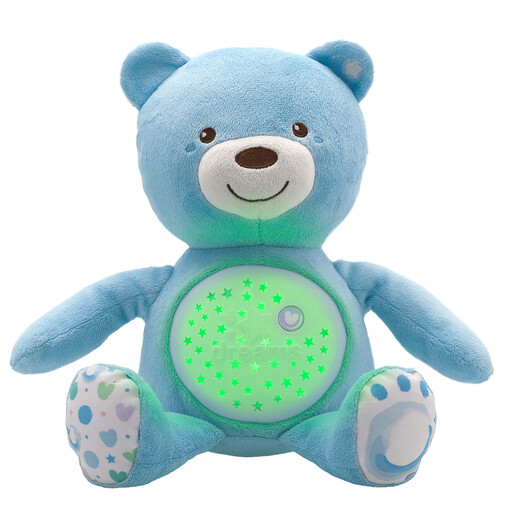
Why this product is a great fit: Ideal for newborns, it combines gentle light projections with soothing melodies. It supports the development of sight and hearing and can be established as part of a bedtime routine.
It offers three different, gentle light modes and a selection of music to prevent overstimulation. The functions are specifically designed for calming.
Combines a night light, projector, and music box. The electronic component is removable, making the plush bear machine-washable.
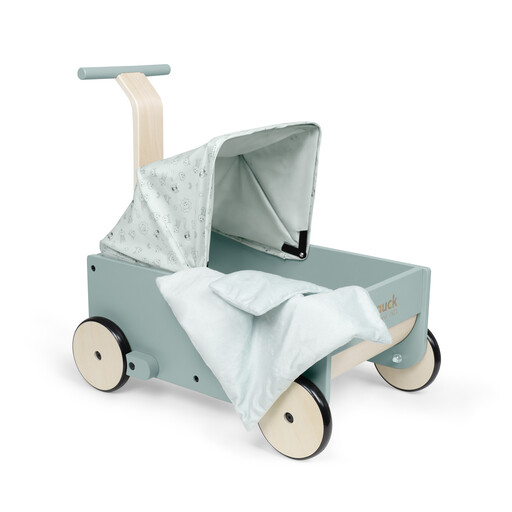
Why this product is a great fit: This baby walker safely supports children during their first steps and doubles as a doll's pram, encouraging early role-play. It is designed for children who are beginning to pull themselves up and walk.
Its dual function as a walking aid and a toy keeps it engaging for a long time, avoiding the short-lifespan trap. The height-adjustable handle grows with the child.
Features an individually adjustable brake for speed control. According to the manufacturer, the wood is FSC-certified, representing sustainable forestry.
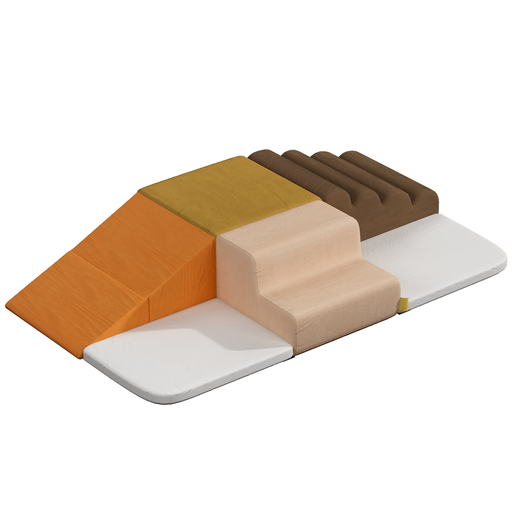
Why this product is a great fit: This set of large, soft building blocks is ideal for toddlers to safely climb, build, and train their gross motor skills. It transforms the nursery into a small indoor playground.
The blocks offer countless ways to play and encourage creativity instead of dictating a single function. The EN71 certification and soft construction address safety concerns.
The covers are removable and machine-washable, making them easy to keep clean. A non-slip base and Velcro fasteners ensure stability during building and play.
We have compiled a complete, up-to-date list of products that fully meet these strict selection criteria and EU safety regulations.
Look for the CE marking and, ideally, other safety certifications like the GS mark. Inspect the toy yourself for sturdy construction: Are there any sharp edges, detachable small parts, or long cords? Toys for children under three must not have any small parts that could be swallowed. If the toy has a strong chemical smell, that is also a reason for caution.
The cleaning method depends on the material. Always follow the manufacturer's instructions.
Essentially, any age-appropriate toy that stimulates the senses and invites interaction has educational value. It's less about actively teaching a child something and more about supporting their natural curiosity and spirit of discovery with the right tools. A simple grasping toy is just as much an educational toy for a 4-month-old baby as a shape sorter is for a two-year-old child.