
Lieferung heute & morgen

Qualitätsgarantie

Willkommens-Angebote freischalten: KOSTENLOSE Lieferung | Bis zu 80 % RABATT | Kostenlose 30-Tage-JoyPlus-Testphase
App herunterladen
Choosing baby toys can be a challenge given the sheer number of options. Parents and gift-givers want to find products that are not only safe but also support a child's development. However, the market is flooded with products of questionable educational value or durability. This guide will help you recognise common purchasing pitfalls and make an informed decision.
Before deciding on a product, it's helpful to know the most common issues that lead to disappointment and unnecessary expense.
To avoid the pitfalls mentioned above, focus on three objective criteria. These will help you assess a toy's quality and utility, independent of marketing promises.
Safety is the most important aspect. Since babies explore their environment with their mouths, the materials used are of critical importance.
Good educational toys for babies are tailored to the respective stage of development and actively promote skills, rather than just passively entertaining the child.
A well-designed toy offers various uses and play possibilities that adapt to the child's growing abilities. Simple building blocks, for example, can be rediscovered again and again over the years, while an electronic toy with only one function quickly loses its appeal. A good newborn gift is often characterised by this longevity.
Here are some product recommendations tailored to different requirements and developmental stages, taking the above criteria into account.
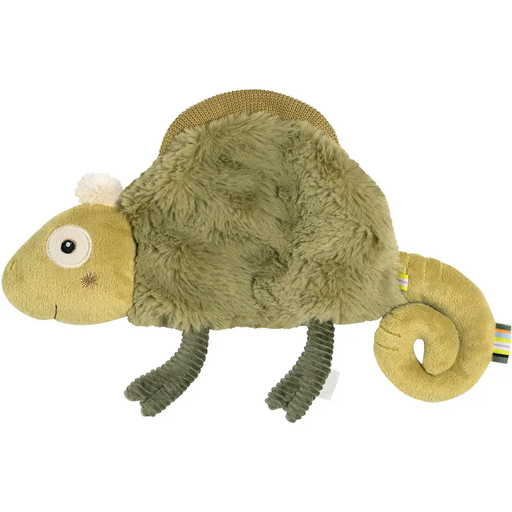
Why This Fits Their Persona: Ideal for newborns who need a first, safe companion for grasping, feeling, and comfort. It combines the function of a security blanket with that of a simple toy.
Avoids the overstimulation trap by forgoing electronic effects. The focus is on tactile stimuli through various fabrics (corduroy, plush, velour), which specifically promotes sensory development.
Multifunctional as a playmate, baby sleep aid, and comforter. The product is machine washable at 30°C, which simplifies hygiene.
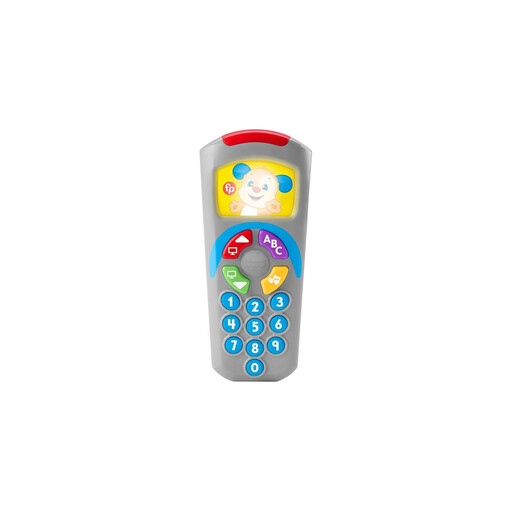
Why This Fits Their Persona: Perfect for babies who are beginning to actively explore their environment and understand the principle of cause and effect. It mimics an everyday object, which is particularly fascinating for children.
Escapes the short-lifespan trap thanks to a wide age range (6 months to 3 years). The learning content (alphabet, colours, numbers) remains relevant as the child grows and transitions from simple button-pushing to intentional role-playing.
Specifically promotes fine motor skills through button pressing. The combination of lights, music, and phrases playfully introduces the child to early learning concepts.
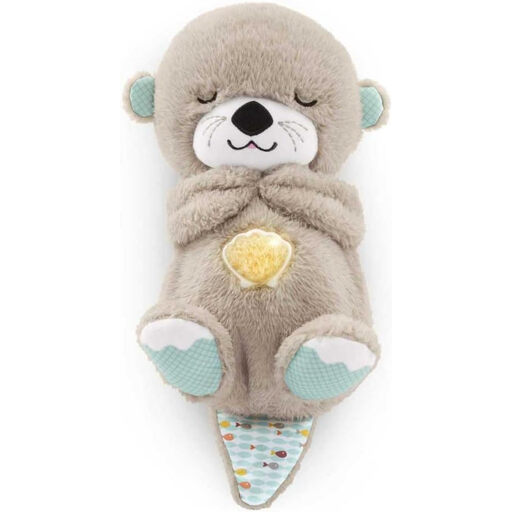
Why This Fits Their Persona: Designed for parents seeking a gentle and effective sleep aid for their baby. The otter serves as a soothing companion that provides a sense of security.
This product is highly specialised, sidestepping the "too much at once" trap. It focuses on a single task: soothing. The rhythmic breathing motion is a targeted function, not a random gimmick.
The rhythmic rising and falling motion of the belly mimics breathing and has a proven calming effect. The functions (music, sounds, light) are customisable for up to 30 minutes. The plush part is machine washable after removing the electronic unit.
We have compiled a complete, up-to-date list of products that fully meet these strict selection criteria and German safety regulations.
The cleaning method depends on the material. Stuffed animals and security blankets are often machine washable (check the label!). Plastic toys can be wiped with a damp cloth and mild soap. Wooden toys should only be cleaned with a slightly damp cloth to avoid damaging the material. For electronic toys, the electronic unit must always be removed before cleaning.
Learning begins on day one. For a newborn, even a mobile above the changing table or a simple grasping toy is an "educational toy," as it trains visual perception and hand-eye coordination. From around 6 months, educational toys for babies become more complex and can specifically promote cognitive skills like understanding cause and effect. The important thing is that the toy matches the child's individual developmental stage and is neither under- nor overwhelming.
The CE marking is a manufacturer's declaration that their product meets the applicable requirements of the European Union (e.g., regarding safety, health, and environmental protection). However, it is not an independent test seal or a quality certificate. It confirms that the basic legal minimum requirements are met. A careful inspection of the workmanship and materials by parents remains an important step.