
Lieferung heute & morgen

Qualitätsgarantie

Willkommens-Angebote freischalten: KOSTENLOSE Lieferung | Bis zu 80 % RABATT | Kostenlose 30-Tage-JoyPlus-Testphase
App herunterladen
Baby toys should be age-appropriate, safely made, and not end up unused in the cupboard after a short time. The range extends from grasping toys and play arches to interactive baby toys, motor skills toys and musical products. However, bright colours, lots of features or terms like "Montessori" don't automatically lead to the right purchase decision.
A toy designed for a three-year-old isn't automatically suitable for a baby. Small parts, battery compartments or detachable accessories can pose a risk for younger children. Always check the age rating on the packaging and in the product description before buying.
Examples:
Lights, sounds and numerous play modes can seem versatile at first glance. What really matters is whether the child can operate the features themselves, whether the volume is adjustable, and whether the product is easy to clean. For battery-operated toys, you should also check the battery type, auto shut-off function and the battery compartment closure.
Statements like "non-toxic" or "safe" shouldn't be taken in isolation. More meaningful are specific details about materials, workmanship, warnings and relevant standards. For toys sold on the European market, the toy safety standard EN 71 is particularly relevant. The CE mark is a manufacturer's declaration of conformity, not an independent quality seal.
For newborns, products that can be used while lying down are ideal, such as a play mat or a baby play arch. When choosing toys for babies and toddlers, consider whether the child can already sit up safely, crawl or stand.
Look for rounded edges, secure connections and a closed battery compartment. For teething and grasping toys, cleaning instructions are especially important. The Sophie La Girafe Baby Rattle, for example, should only be cleaned with a damp cloth and is not suitable for the dishwasher or high-temperature sterilisation, according to the product information.
For textile products like soft toys, check the care instructions and the recommended age group. An electronic product should not go in water unless the manufacturer explicitly allows it.
A baby activity table needs enough floor space and should be stable on a level surface. For homes with several people or thin walls, volume control is a practical feature. For ride-on and movement toys, you need clear pathways free from stairs, cables or steep slopes.
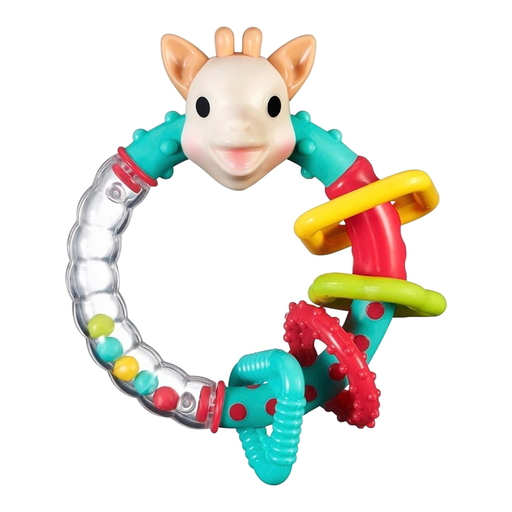
Why this product fits the profile: The combination of rattle, grasping rings and teething surfaces makes it ideal for families looking for a compact toy from 3 months.
The product information provides a specific age recommendation, a size of approximately 9 cm and clear cleaning instructions.
Easy-to-grasp shape, rattle function, different hard and soft textures, plus four moving rings.
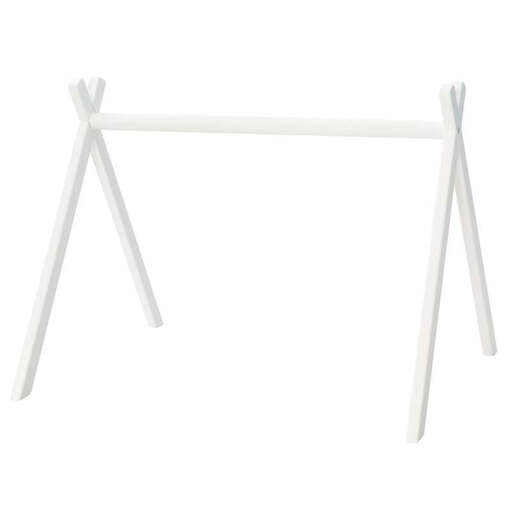
Why this product fits the profile: The wooden play arch appeals to shoppers who prefer a minimalist, wipe-clean product without electronic features.
It doesn't rely on a long list of electronic effects, but instead focuses on grasping, touching and observing. The surfaces are wipe-clean according to the product information.
Lacquered wood, dimensions of 52 × 70 × 50.5 cm, easy assembly and use on a level surface.
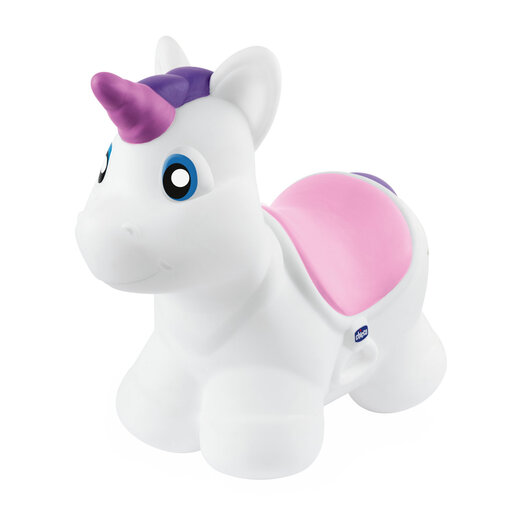
Why this product fits the profile: The inflatable bouncy animal is aimed at families with children aged 2 to 5 years who want an active toy for indoors or outdoors.
The details specify a maximum weight limit of 25 kg, a recommended age range and clear warnings about supervision and the environment.
Ergonomic seat, integrated handles, hand pump included and dimensions of 50 × 45 × 25 cm.
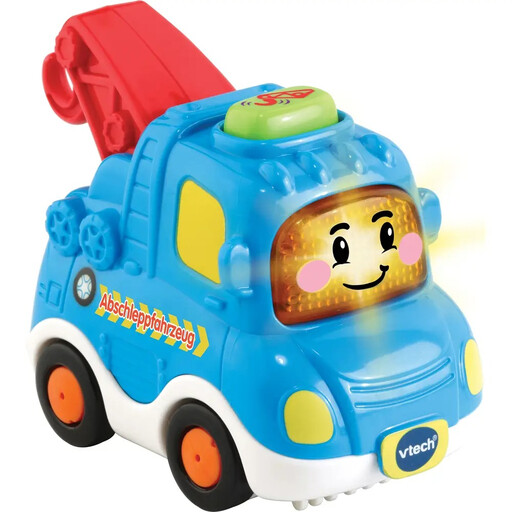
Why this product fits the profile: For children from 1 year who enjoy pushing vehicles, pressing buttons and later exploring more elements of the Tut Tut Baby Flitzer world.
The age recommendation from 1 year and the warning about small parts clearly define its use. Batteries are included according to the product information.
Light and sound effects, response to movement and sensors, three songs and six melodies.
We've put together a full, regularly updated list of products that fully meet these strict selection criteria and the safety regulations in force in the EU.
From 3 months, easy-to-grasp rattles, teething and grasping toys, and a sturdy play arch are all good options. What matters is an appropriate age label, robust construction and the ability to clean the toy according to the care instructions.
How long a toy is used depends less on the calendar age and more on the child's developmental stage, the toy's condition and its intended purpose. A grasping toy may be interesting in the first few months, whereas an activity cube or Tut Tut Baby Flitzer will be used for longer. Damaged parts, loose seams or a battery compartment that no longer closes securely are reasons to retire the product.
For battery-operated baby toys, there are ongoing costs for replacement batteries. So check whether batteries are included, what size is needed and whether there's an auto shut-off function. Mechanical products like a wooden play arch or a rattle don't need batteries during use; with electronic products, volume control can make them more practical for everyday home use.