
Lieferung heute & morgen

Qualitätsgarantie
App herunterladen
Kategorien
Investing in a baby travel cot is a decision that should be based on functional criteria. For parents and grandparents travelling with an infant or toddler, a portable cot is an essential item for ensuring a safe and familiar sleeping environment. The right model depends on specific requirements, such as frequency of travel, available space, and the child's age. This guide analyses the technical parameters relevant to making an informed purchasing decision.
The evaluation of a travel cot for babies should focus on objective features. Compliance with safety standards, material quality, and ease of use are central aspects.
A fundamental quality indicator is compliance with the European safety standard EN 716. This standard specifies requirements for the stability, materials, and construction of children's cots to minimise risks such as trapped fingers or falls. Look for sturdy frame constructions, typically made of steel or aluminium, and securely locking joints. The side panels should consist of breathable mesh inserts. These not only ensure optimal air circulation but also allow for constant visual contact with your child.
For portability, weight and packed size are crucial factors. A lightweight travel cot made of aluminium often weighs under 10 kilograms and folds down compactly. A foldable baby cot with an umbrella-style folding mechanism is typically quick to set up and take down. Check the cot's dimensions when folded to ensure it fits in your car's boot or can be checked as luggage. An included transport bag is a convenient feature.
Modern travel cots often offer more than just a place to sleep.
The mattress included with a travel cot is often just a thin, foldable baseboard. For extended use or greater sleeping comfort, investing in a separate travel cot with mattress can be worthwhile. It should fit the cot perfectly to avoid any gaps where a child could get trapped. The mattress must be firm to prevent the child from sinking in too deeply.
Based on an analysis of technical specifications and practical utility, we present two models with different key features.
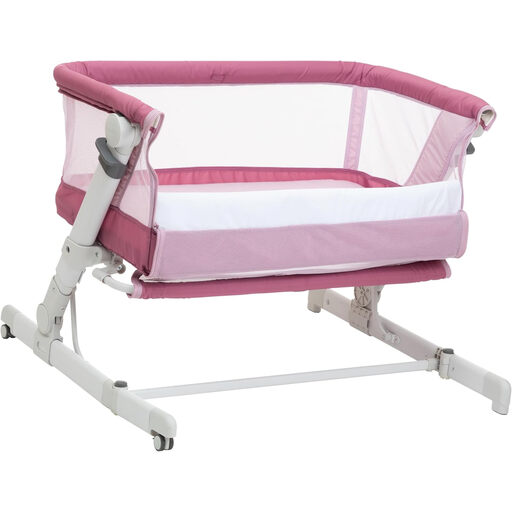
Why We Recommend This Product: The Chicco Next2Me Pop Up stands out for its innovative folding mechanism and its design as a co-sleeper. The aluminium frame ensures a low weight, making it easy to transport within the home or on short trips. Its primary function as a safe sleeping space right next to the parents' bed addresses a key need during the first few months of life.
Pros:
Who It's For: This model is designed for parents of newborns up to a weight of 9 kg. It is particularly suitable for use at home as a secondary cot or for visits to grandparents, where quick setup and proximity to the child are priorities.
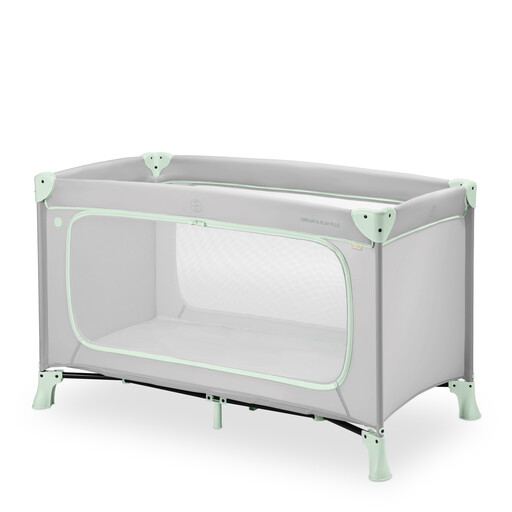
Why We Recommend This Product: The hauck Dream N Play Plus is a classic children's travel cot designed for durability and versatile use. Its robust construction and higher weight limit of 15 kg make it a companion beyond infancy. The dual function as a sleeping space and a safe play area (travel cot and playpen) offers high practical value.
Pros:
Who It's For: This foldable travel cot is an excellent choice for families looking for a multifunctional and durable solution for travel or as a secondary cot. It is suitable for babies and toddlers and offers added value as a safe play area thanks to its side entry.
The market for portable sleeping solutions is diverse. In addition to the models presented here, other specialised products exist that are tailored to different needs. For a more comprehensive overview of various models and accessories, we recommend exploring the Kids' Travel Accessories category.
1. From what age is a travel cot suitable for babies? Most travel cots can be used from birth. Models with a newborn bassinet insert are particularly practical for the first few months. Always observe the manufacturer's weight and age specifications. For example, the Chicco Next2Me is designed for up to 9 kg, while the hauck Dream N Play Plus can be used up to 15 kg.
2. Do you need an extra mattress for a baby travel cot? The included mattresses are often just thin, padded base inserts, which are sufficient for short stays. For regular use or longer trips, an additional, perfectly fitting travel cot mattress can significantly improve sleeping comfort and ergonomic support. It must be firm and leave no gaps against the cot's sides.
3. How do you clean a baby travel cot? Most travel cots have wipe-clean surfaces made of polyester or blended fabrics. Stains can usually be removed with a damp cloth. Some models, like the Chicco Next2Me, offer removable and machine-washable covers, which facilitates hygienic cleaning. Always follow the manufacturer's care instructions.