
Lieferung heute & morgen

Qualitätsgarantie

Willkommens-Angebote freischalten: KOSTENLOSE Lieferung | Bis zu 80 % RABATT | Kostenlose 30-Tage-JoyPlus-Testphase
App herunterladen
Whether you’re looking for a baby bottle from birth, a sports bottle or a reusable water bottle for your commute, there’s plenty of choice. But product photos and marketing claims don’t always tell you whether a bottle will be practical for everyday use. Often, it’s the details – such as the flow rate, seal and ease of cleaning – that determine whether you’ll keep using it in the long term.
This buying guide from the Joybuy Product Recommendation Officer explains which details are worth checking before you buy, and which models suit different everyday needs.
A leakproof water bottle depends on more than just the material it’s made from. The lid, a correctly fitted silicone seal and proper care of the seal all matter. Many models need their sealing rings checked regularly. If a ring isn’t fitted properly or is damaged, liquid may leak out.
For sports bottles with flip lids, it’s also worth checking whether there’s an extra locking mechanism. A one-touch lid without a lock could open accidentally in a bag or while you’re on the move.
Depending on the material, a BPA-free water bottle may still have temperature limitations. Tritan, PP, stainless steel and glass all differ in their heat resistance, weight and care requirements. Pay attention to guidance such as “for cold or room-temperature drinks only”.
For example, some Tritan bottles aren’t suitable for boiling water, microwaves or ovens. With a stainless steel water bottle, you should also check whether it has a single wall or vacuum insulation.
A 500 ml water bottle is often a handy size for the office, commuting and short trips. For sport or longer journeys, a larger capacity may be more suitable. For newborns, however, the priority isn’t a large capacity, but a teat that’s right for their age and has an appropriate flow rate.
A 150 ml baby bottle with a slow flow rate should therefore be assessed differently from a 330 ml baby bottle with a fast flow rate for older babies.
For baby bottles, check that the manufacturer’s age recommendation matches the teat. Depending on the product, teats with a slow or standard flow rate may be suitable for newborns and younger babies. A medium flow rate may be intended for babies from a certain age, while a fast flow rate is often recommended for older babies.
An anti-colic baby bottle usually has a valve system designed to regulate the airflow as your baby drinks. Depending on its design, this may reduce the amount of air swallowed. It shouldn’t be taken to have a medical effect. Before each use, check the teat, screw thread and lid for cracks or distortion.
BPA-free materials are an important consideration when choosing baby bottles. According to the product information, MiaMia bottles are made from BPA-free polypropylene and silicone. Chicco models are listed as having PP bottle bodies and silicone teats. According to the information provided for each product, they are designed to meet EN 14350 or the relevant manufacturer’s specifications for baby and toddler products. Always refer to the details on the individual product page.
Water bottles are available in several materials:
A dishwasher-safe bottle can save you time every day. Even so, it’s best to take the lid, seal, teat and bottle body apart and clean them separately. For baby bottles, remember to sterilise them according to the manufacturer’s instructions.
When you’re out and about, weight, size and the type of lid all matter. According to the product description, the Stanley GO ICEFLOW FAST FLOW BOTTLE holds 600 ml, has vacuum insulation and a fast-flow drinking spout, and is dishwasher-safe. The warning states that it must not be filled with carbonated drinks.
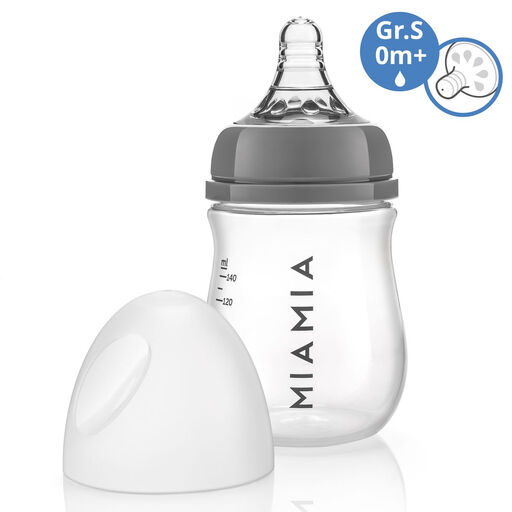
Why this product suits this buyer: According to the product information, this compact baby bottle is suitable from birth and holds 140 ml. The size S teat is designed for a slow flow rate.
The age recommendation, teat size and capacity are clearly stated. This makes it easier to choose a flow rate that suits how the bottle will be used.
BPA-free PP, a soft silicone teat, a wide bottle neck and, according to the product information, dishwasher-safe and suitable for sterilising.
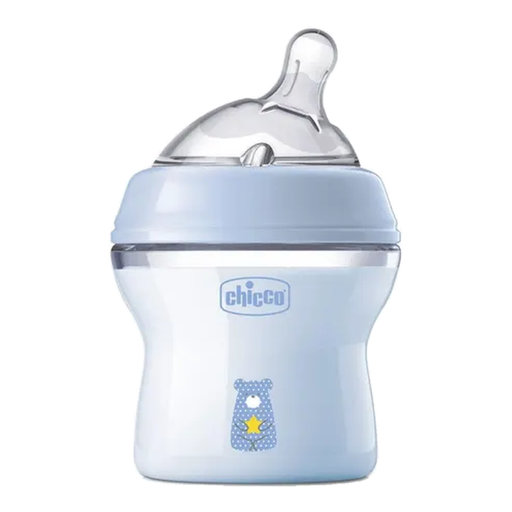
Why this product suits this buyer: According to the product information, this 150 ml bottle is suitable from birth and has a standard or slow flow rate.
The double-valve design and angled teat are described in specific terms, rather than being promoted with a vague claim about comfort.
BPA-free plastic, a silicone teat, an anti-colic valve and, according to the product information, dishwasher-safe.
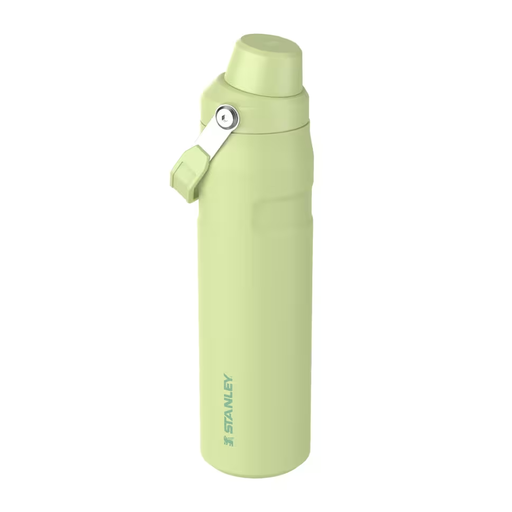
Why this product suits this buyer: This 600 ml bottle is aimed at commuters, sports enthusiasts and anyone who wants to carry cold drinks for longer.
The product information specifies the capacity, weight, lid type, insulation and cleaning instructions. It also clearly states that carbonated drinks must not be used.
Double-wall recycled 18/8 stainless steel, vacuum insulation, a fast-flow drinking spout and, according to the product description, dishwasher-safe.
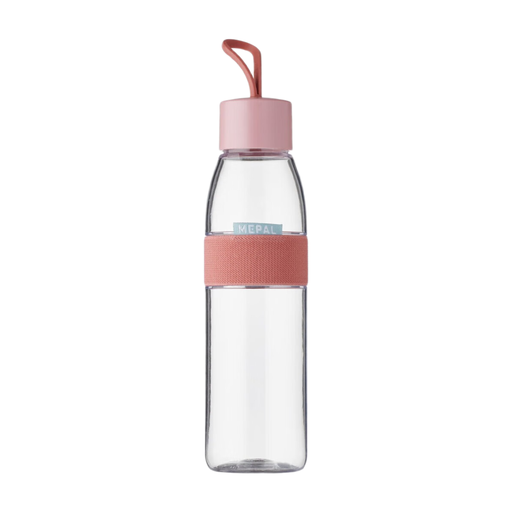
Why this product suits this buyer: Its compact 500 ml size is suited to everyday use, work and short journeys. According to the product description, the bottle is suitable for carbonated drinks.
The fill limit for carbonated drinks and the instruction to clean the bottle without the elastic band are clearly stated. This helps prevent incorrect use and pressure build-up.
BPA-free material, a leakproof lid, 500 ml capacity and, according to the product information, dishwasher-safe when the elastic band is removed.
We’ve put together a complete, regularly updated list of products that meet these strict selection criteria and fully comply with the safety regulations in force in the EU.
Models with an appropriate age recommendation, a small capacity and a slow flow rate are designed for this use. Examples include certain 150 ml Chicco models and the MiaMia Baby Bottle 140 ml. Check the teat size and manufacturer’s instructions before use.
Depending on its material and condition, the bottle body may remain usable for longer. However, teats and seals should be checked regularly for cracks, discolouration, distortion and loss of elasticity. Replace any part that shows visible signs of damage. Always follow the manufacturer’s recommended replacement intervals.
For commuting and the office, a lightweight, leakproof water bottle with a capacity of 380 to 650 ml may be a good choice. If you want to carry cold drinks for longer, look for vacuum insulation. The bottle must be specifically designed for carbonated drinks; otherwise, pressure may build up in the lid.